THE ADVENTURE COLLECTIVE® · Independent discovery and booking for outdoor travel

Explore Niagara’s thunder and the quieter routes of escape that led enslaved people to Canada. This three‑hour guided tour pairs the power of the Falls with on‑the‑ground Underground Railroad history.
Explore Niagara’s thunder and the quieter routes of escape that led enslaved people to Canada. This three‑hour guided tour pairs the power of the Falls with on‑the‑ground Underground Railroad history.
The guide points downriver first, where the Niagara’s roar drowns conversation and the mist dares you to step closer. Visitors move from the thunder of the Horseshoe Falls to quieter streets where 19th‑century houses and churchyards keep a different kind of memory: routes, safe houses and the people who risked everything to reach freedom.
Verified experiences and guided adventures in the surrounding area.
Operated by Motherland Connextions · Niagara Falls, New York
The guide points downriver first, where the Niagara’s roar drowns conversation and the mist dares you to step closer. Visitors move from the thunder of the Horseshoe Falls to quieter streets where 19th‑century houses and churchyards keep a different kind of memory: routes, safe houses and the people who risked everything to reach freedom.
This half‑day tour threads together geology, industry and civil‑rights history. The Falls themselves are the product of glacial melt and retreating ice 12,000 years ago; their power shaped the canals and towns that later formed corridors for commerce — and escape. Stops include Lockport and its Erie Canal locks, the Historic Suspension Bridge and the Underground Railroad Interpretive Center in Lewiston, each site revealing how landscape and infrastructure intersected with abolitionist networks.
Local guides in period dress interpret primary accounts and regional lore, giving context to the routes people used toward Canada. Cultural notes highlight Black communities, Quaker allies, and the orchards and mills that supplied food and shelter.
Practical guidance: expect three hours on a 24‑passenger minivan with multiple short walks on paved or cobbled streets; wear sturdy, water‑resistant shoes and a light rain jacket in misty conditions. Bring water, a charged camera, and a readiness to walk up short flights and curbs. The tour operates in most weather and includes hotel pick‑up; it requires a moderate level of mobility but suits a wide range of fitness levels. Time your visit for lower tourist traffic (mornings or weekdays) to hear the stories with fewer distractions.
easy.
3 hours.
Suitable for most fitness levels; requires short walks on uneven street and minor steps
The tour lasts about three hours and includes hotel pickup, a guide in period dress, visits to Underground Railroad sites and general highlights like the Falls and Lockport.
Yes — the tour is rated easy with mostly short walks; however, there are curbs and short staircases, so limited mobility participants should note these before booking.
No cross‑border travel is included on this itinerary, so a passport is not required for the tour itself, though carrying ID is recommended for site access.
The tour requires a minimum number of paid participants; if it doesn’t meet that threshold it may be canceled and you’ll be notified per the operator’s cancellation policy.
The Niagara corridor was a northern terminus for many Underground Railroad routes; networks here connected abolitionist towns with crossings into Ontario where slavery had been abolished.
Visitors are encouraged to follow Leave No Trace principles at historic sites and to respect private properties near safe‑house locations—sustainable tourism helps protect fragile historical resources.
Motherland Connextions operates guided outdoor trips and adventures with an emphasis on safety, stewardship, and memorable experiences.


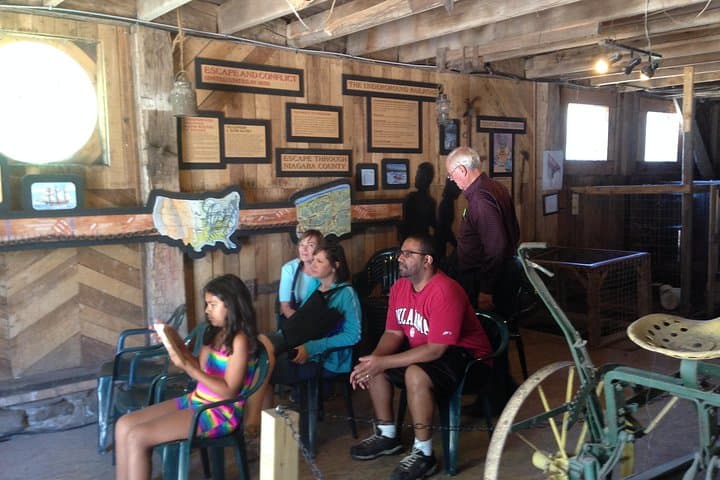
The guide points downriver first, where the Niagara’s roar drowns conversation and the mist dares you to step closer. Visitors move from the thunder of the Horseshoe Falls to quieter streets where 19th‑century houses and churchyards keep a different kind of memory: routes, safe houses and the people who risked everything to reach freedom.
The guide points downriver first, where the Niagara’s roar drowns conversation and the mist dares you to step closer. Visitors move from the thunder of the Horseshoe Falls to quieter streets where 19th‑century houses and churchyards keep a different kind of memory: routes, safe houses and the people who risked everything to reach freedom.
This half‑day tour threads together geology, industry and civil‑rights history. The Falls themselves are the product of glacial melt and retreating ice 12,000 years ago; their power shaped the canals and towns that later formed corridors for commerce — and escape. Stops include Lockport and its Erie Canal locks, the Historic Suspension Bridge and the Underground Railroad Interpretive Center in Lewiston, each site revealing how landscape and infrastructure intersected with abolitionist networks.
Local guides in period dress interpret primary accounts and regional lore, giving context to the routes people used toward Canada. Cultural notes highlight Black communities, Quaker allies, and the orchards and mills that supplied food and shelter.
Practical guidance: expect three hours on a 24‑passenger minivan with multiple short walks on paved or cobbled streets; wear sturdy, water‑resistant shoes and a light rain jacket in misty conditions. Bring water, a charged camera, and a readiness to walk up short flights and curbs. The tour operates in most weather and includes hotel pick‑up; it requires a moderate level of mobility but suits a wide range of fitness levels. Time your visit for lower tourist traffic (mornings or weekdays) to hear the stories with fewer distractions.