THE ADVENTURE COLLECTIVE® · Independent discovery and booking for outdoor travel

Cover more ground around Niagara Falls without wearing out your legs. Rent an e-bike for a half- or full-day loop along riverfront trails that connect viewpoints, islands, and heritage sites.
Cover more ground around Niagara Falls without wearing out your legs. Rent an e-bike for a half- or full-day loop along riverfront trails that connect viewpoints, islands, and heritage sites.
You push off from the rental hut and the river takes the lead. The e-bike hums steady beneath you while the Niagara River widens and the spray from the Falls laces the air; currents and cliffs seem to dare you forward. Cycling here is less about speed and more about rhythm—power-assist amplifies steady pedaling as you pass heritage sites, parkland, and panoramic river overlooks.
Verified experiences and guided adventures in the surrounding area.
Operated by Bikes Niagara · Niagara Falls, Ontario
You push off from the rental hut and the river takes the lead. The e-bike hums steady beneath you while the Niagara River widens and the spray from the Falls laces the air; currents and cliffs seem to dare you forward. Cycling here is less about speed and more about rhythm—power-assist amplifies steady pedaling as you pass heritage sites, parkland, and panoramic river overlooks.
The Niagara corridor is layered with history: Indigenous travel routes, 19th-century mills, and the 20th-century push for hydroelectric power shaped both landscape and settlement. Geologically the region sits on dolostone caprock—cling to overlooks for long views where the softer rocks downstream have been eroded. Culturally, the area mixes tourism with working waterfronts; you’ll see interpretive plaques and small museums that explain the falls’ role in industry and conservation.
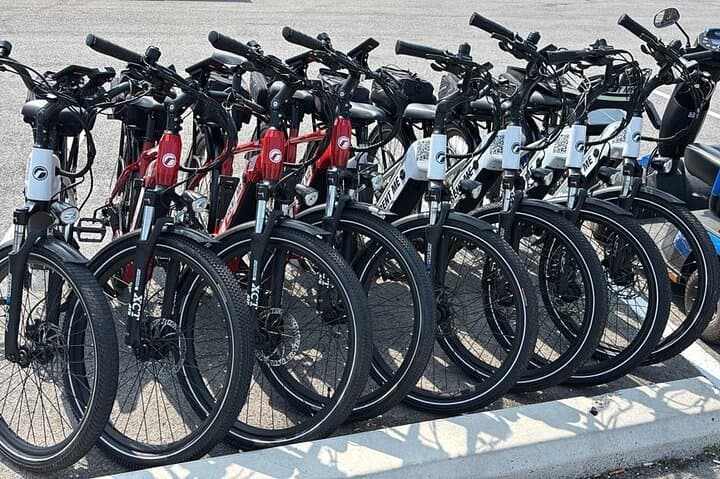
Practically, rentals are offered for 3 to 12 hours—enough to explore the Niagara River Recreational Trail, Dufferin Islands, and quieter side streets. Batteries extend range but expect to plan routes with charging points in mind; locks and helmets are included. Trails are mostly paved with occasional gravel connectors and gentle grades—moderate fitness and basic bike handling recommended. Bring layers for spray and changing weather, hydrate, and leave food waste secured: wildlife here is wild, not tame. Peak mornings offer cooler temps and softer light for photos; afternoons are busiest. With a well-charged battery and a map, an e-bike turns Niagara into a manageable, memorable loop—fast enough to cover highlights, slow enough to notice the river’s voice.
moderate.
3–12 hours.
Moderate fitness; able to ride for several hours with short climbs and stop-and-go in town.
Rentals are available from 3 hours up to a full 12-hour day—choose a half-day to cover main riverfront highlights or a full day for extended routes.
No—basic cycling skills are sufficient; staff will brief you on throttle and pedal-assist modes before you go.
Yes, helmets and a lock are provided with every rental; bring your own if you prefer a custom fit.
Battery range varies with assist level and rider weight, but typical mixed-route ranges run 40–80 km (25–50 miles); plan charging or return before low battery.
The Niagara corridor served as a travel and trade route for Indigenous peoples and later became a center for mills and hydroelectric development along the river.
High visitor numbers mean staying on designated trails, packing out waste, and avoiding wildlife feeding are important to protect river habitats and nesting birds.
Bikes Niagara operates guided outdoor trips and adventures with an emphasis on safety, stewardship, and memorable experiences.
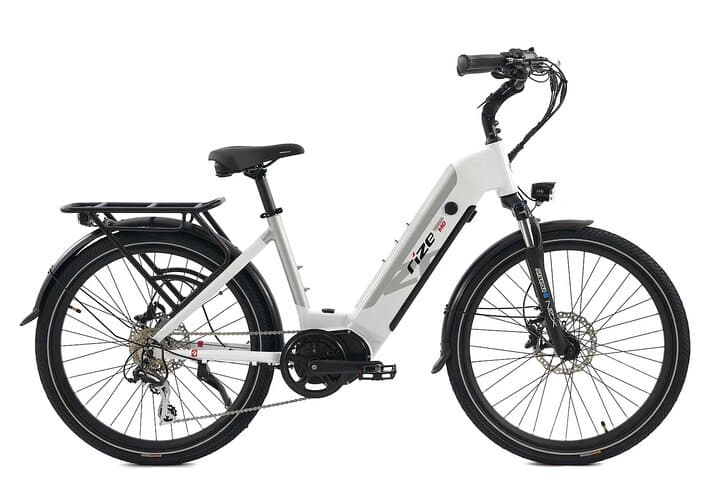
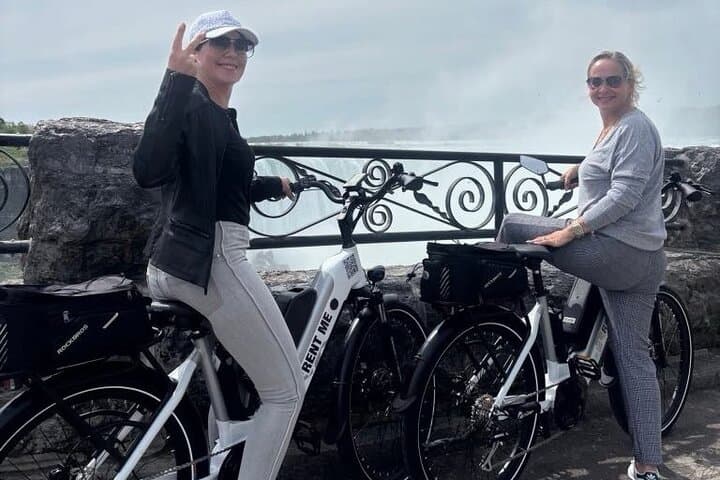
You push off from the rental hut and the river takes the lead. The e-bike hums steady beneath you while the Niagara River widens and the spray from the Falls laces the air; currents and cliffs seem to dare you forward. Cycling here is less about speed and more about rhythm—power-assist amplifies steady pedaling as you pass heritage sites, parkland, and panoramic river overlooks.
You push off from the rental hut and the river takes the lead. The e-bike hums steady beneath you while the Niagara River widens and the spray from the Falls laces the air; currents and cliffs seem to dare you forward. Cycling here is less about speed and more about rhythm—power-assist amplifies steady pedaling as you pass heritage sites, parkland, and panoramic river overlooks.
The Niagara corridor is layered with history: Indigenous travel routes, 19th-century mills, and the 20th-century push for hydroelectric power shaped both landscape and settlement. Geologically the region sits on dolostone caprock—cling to overlooks for long views where the softer rocks downstream have been eroded. Culturally, the area mixes tourism with working waterfronts; you’ll see interpretive plaques and small museums that explain the falls’ role in industry and conservation.
Practically, rentals are offered for 3 to 12 hours—enough to explore the Niagara River Recreational Trail, Dufferin Islands, and quieter side streets. Batteries extend range but expect to plan routes with charging points in mind; locks and helmets are included. Trails are mostly paved with occasional gravel connectors and gentle grades—moderate fitness and basic bike handling recommended. Bring layers for spray and changing weather, hydrate, and leave food waste secured: wildlife here is wild, not tame. Peak mornings offer cooler temps and softer light for photos; afternoons are busiest. With a well-charged battery and a map, an e-bike turns Niagara into a manageable, memorable loop—fast enough to cover highlights, slow enough to notice the river’s voice.