THE ADVENTURE COLLECTIVE® · Independent discovery and booking for outdoor travel

A compact 3-day safari from Arusha that pairs Lake Manyara’s soda flats, Ngorongoro’s volcanic crater and Tarangire’s baobabs. Expect crater descents, concentrated wildlife and full-day game drives with picnic lunches and lodge nights.
A compact 3-day safari from Arusha that pairs Lake Manyara’s soda flats, Ngorongoro’s volcanic crater and Tarangire’s baobabs. Expect crater descents, concentrated wildlife and full-day game drives with picnic lunches and lodge nights.
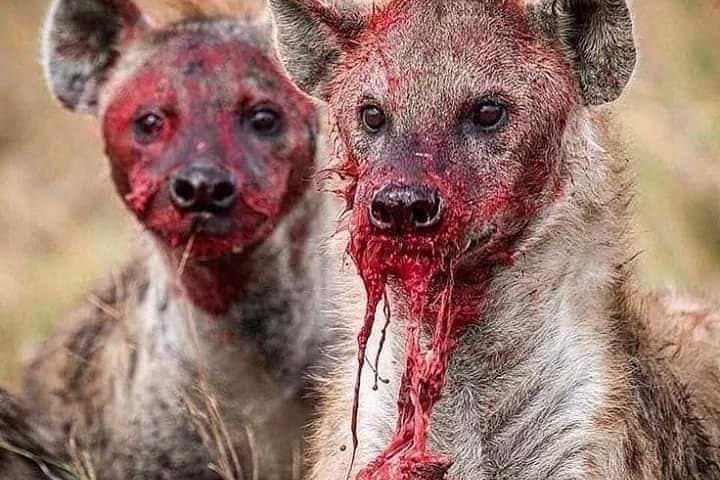
Dawn light spills over a rim road and the Ngorongoro Crater yawns below — a sunlit bowl where plains push up against volcanic walls and predators pace the floor with deliberate intent.
Verified experiences and guided adventures in the surrounding area.
Operated by Sere adventure Safari · Arusha, Manyara Region
Dawn light spills over a rim road and the Ngorongoro Crater yawns below — a sunlit bowl where plains push up against volcanic walls and predators pace the floor with deliberate intent.
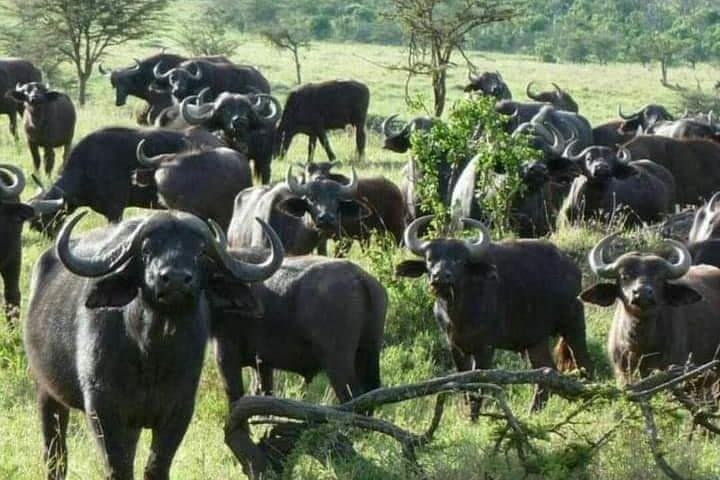
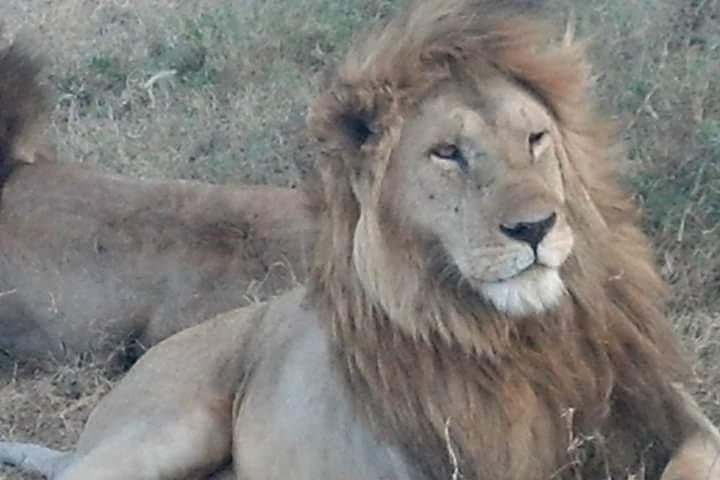
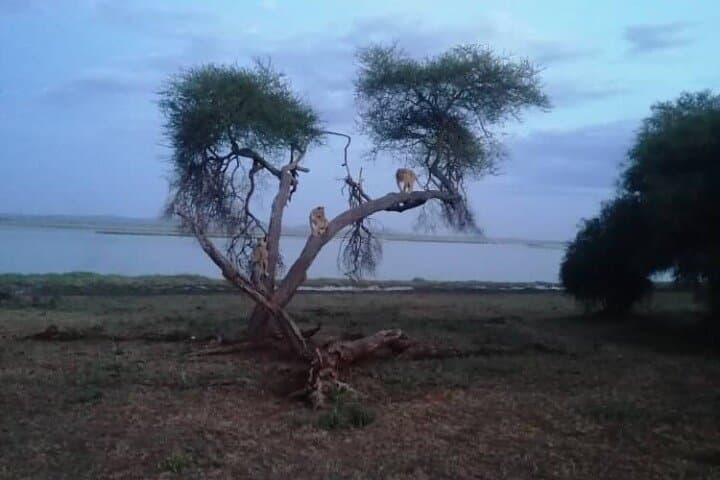
This three-day circuit threads Lake Manyara’s soda flats, the volcanic amphitheater of Ngorongoro and Tarangire’s baobab-dotted savanna. Geologically the crater is an extinct caldera roughly 19 km across with a descent of about 600 m from rim to floor; its layered soils and seasonal waterholes support dense predator and prey populations and are one of the few reliable places to find black rhino. Lake Manyara National Park is compact and famous for flamingo-studded shorelines and tree-climbing lions. Tarangire, larger and drier, concentrates elephants beneath ancient baobabs.
Culturally the route crosses Maasai grazing country and agricultural villages like Mto wa Mbu, where local markets and banana plantations speak to everyday life around the parks. Conservation here balances tourism revenue with pastoralist land use; staying inside park guidelines helps protect wildlife corridors.
Practically: expect full-day game drives, picnic lunches and lodge nights with private transport between sites. Early mornings are cold on the rim; pack layers and a good pair of binoculars for long views into the crater. Vehicle-based game viewing limits walking, but an optional ranger-led hike on the highland offers closer terrain and requires stronger fitness. Bring sun protection, refillable water, and be prepared for dusty roads and sudden weather shifts. Timing trips in the dry season (June–October) boosts visibility and wildlife concentrations, while rains change access and scenery rapidly.
moderate.
3 days.
Suitable for travelers in average fitness for long vehicle days; optional crater hikes require good stamina and steady footing.
This is a three-day shared tour with private transportation, three days of game drives, picnic lunches, select meals, and overnight lodge accommodation included as specified by the operator.
Consult a travel health specialist — malaria risk exists in these regions and routine vaccinations (e.g., yellow fever if required) should be checked before travel.
Most viewing is by vehicle; however guided ranger-led walks on surrounding highlands are sometimes offered and require fitness and an armed ranger for safety.
Dry season (June–October) concentrates animals around permanent water and offers more reliable road access; short dry windows after rains can also produce excellent birding and calving events.
The Ngorongoro area has been occupied by pastoralist Maasai communities for generations; the conservation model here integrates pastoral use with protected wildlife lands.
Visitor fees and regulated access fund anti-poaching and community programs; staying on designated roads and following ranger guidance reduces habitat disturbance.
Sere adventure Safari operates guided outdoor trips and adventures with an emphasis on safety, stewardship, and memorable experiences.
Dawn light spills over a rim road and the Ngorongoro Crater yawns below — a sunlit bowl where plains push up against volcanic walls and predators pace the floor with deliberate intent.
Dawn light spills over a rim road and the Ngorongoro Crater yawns below — a sunlit bowl where plains push up against volcanic walls and predators pace the floor with deliberate intent.
This three-day circuit threads Lake Manyara’s soda flats, the volcanic amphitheater of Ngorongoro and Tarangire’s baobab-dotted savanna. Geologically the crater is an extinct caldera roughly 19 km across with a descent of about 600 m from rim to floor; its layered soils and seasonal waterholes support dense predator and prey populations and are one of the few reliable places to find black rhino. Lake Manyara National Park is compact and famous for flamingo-studded shorelines and tree-climbing lions. Tarangire, larger and drier, concentrates elephants beneath ancient baobabs.
Culturally the route crosses Maasai grazing country and agricultural villages like Mto wa Mbu, where local markets and banana plantations speak to everyday life around the parks. Conservation here balances tourism revenue with pastoralist land use; staying inside park guidelines helps protect wildlife corridors.
Practically: expect full-day game drives, picnic lunches and lodge nights with private transport between sites. Early mornings are cold on the rim; pack layers and a good pair of binoculars for long views into the crater. Vehicle-based game viewing limits walking, but an optional ranger-led hike on the highland offers closer terrain and requires stronger fitness. Bring sun protection, refillable water, and be prepared for dusty roads and sudden weather shifts. Timing trips in the dry season (June–October) boosts visibility and wildlife concentrations, while rains change access and scenery rapidly.