THE ADVENTURE COLLECTIVE® · Independent discovery and booking for outdoor travel

Two days of concentrated East African wildlife: morning game drives on Lake Manyara, an afternoon in Karatu, and a full-day descent into the Ngorongoro Crater. Ideal for travelers who want high-density viewing with lodge comfort.
Two days of concentrated East African wildlife: morning game drives on Lake Manyara, an afternoon in Karatu, and a full-day descent into the Ngorongoro Crater. Ideal for travelers who want high-density viewing with lodge comfort.
You climb into a pop-up roof 4x4 at dawn and the scrubbed silhouette of acacia trees slides past as the vehicle rolls west from Arusha. Dust lifts in the wake of the convoy, and within hours the shallow, alkaline mirror of Lake Manyara appears—pink with flamingos, ringed by fever trees and noisy troops of monkeys. By late afternoon you tuck into a mid-range lodge in Karatu; the evening brings a red horizon and the mute promise of tomorrow’s crater.
Verified experiences and guided adventures in the surrounding area.
Operated by Bujo Tours · Arusha, Arusha Region
You climb into a pop-up roof 4x4 at dawn and the scrubbed silhouette of acacia trees slides past as the vehicle rolls west from Arusha. Dust lifts in the wake of the convoy, and within hours the shallow, alkaline mirror of Lake Manyara appears—pink with flamingos, ringed by fever trees and noisy troops of monkeys. By late afternoon you tuck into a mid-range lodge in Karatu; the evening brings a red horizon and the mute promise of tomorrow’s crater.
The Ngorongoro Crater is a vast volcanic caldera formed when a prehistoric volcano collapsed; UNESCO protects it for both geology and biodiversity. Lake Manyara’s soda waters shape a unique bird habitat and forest fringe; both areas reflect the long cohabitation of Maasai pastoralists and wildlife along the Rift Valley’s highlands.
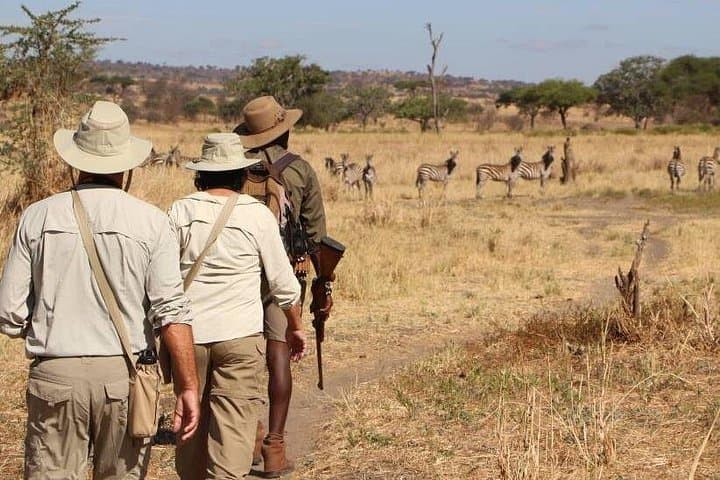
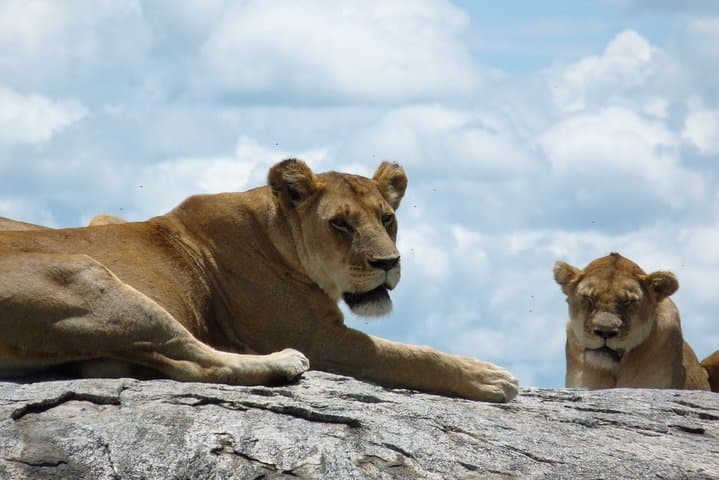
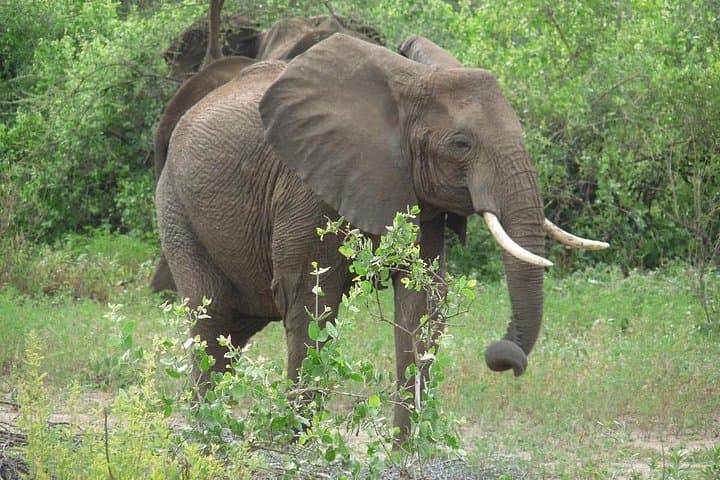
Expect compact game drives from a pop-up roof, picnic lunches on crater rims, and lodge-based evenings. Wildlife is concentrated—lions nap in short grass, herds of buffalo move in deliberate lines, and elephants thread through acacia. Guides interpret spoor, seasonal movements and how elevation—Ngorongoro rim sits above 2,200 m—changes the temperature and vegetation.
Practical guidance: start early for the best light and animal activity, layer for shifting temperatures between crater floor and rim, and carry binoculars and a good camera. Bring local currency for park fees or tips, and confirm pickup times from Arusha or Moshi. The experience balances long road stretches with high-density wildlife viewing—ideal for travelers who want efficient, lodge-centered safari comfort without camping.
moderate.
2 days.
Light-to-moderate mobility required: long vehicle hours but minimal hiking; suitable for most fitness levels.
Ngorongoro Crater entry is listed as included for this itinerary; confirm with the operator whether Lake Manyara fees are covered for your specific booking.
Pickups are typically arranged from Arusha or Moshi hotels—provide your flight and hotel details so the operator can confirm exact pickup location and time.
Infants must sit on an adult’s lap; the itinerary notes it is suitable for all physical fitness levels but check age restrictions with the tour operator.
Yellow fever or other vaccinations may be recommended depending on travel origin; malaria prophylaxis is commonly advised—consult your travel clinic before departure.
Ngorongoro is a collapsed volcanic caldera whose complex ecosystems and archaeological sites (Olduvai Gorge region nearby) document millennia of human and faunal history.
Tourism funds and community conservancies support wildlife protection and Maasai livelihoods, but visitors should minimize disturbance, follow guide instructions, and avoid feeding wildlife.
Bujo Tours operates guided outdoor trips and adventures with an emphasis on safety, stewardship, and memorable experiences.
You climb into a pop-up roof 4x4 at dawn and the scrubbed silhouette of acacia trees slides past as the vehicle rolls west from Arusha. Dust lifts in the wake of the convoy, and within hours the shallow, alkaline mirror of Lake Manyara appears—pink with flamingos, ringed by fever trees and noisy troops of monkeys. By late afternoon you tuck into a mid-range lodge in Karatu; the evening brings a red horizon and the mute promise of tomorrow’s crater.
You climb into a pop-up roof 4x4 at dawn and the scrubbed silhouette of acacia trees slides past as the vehicle rolls west from Arusha. Dust lifts in the wake of the convoy, and within hours the shallow, alkaline mirror of Lake Manyara appears—pink with flamingos, ringed by fever trees and noisy troops of monkeys. By late afternoon you tuck into a mid-range lodge in Karatu; the evening brings a red horizon and the mute promise of tomorrow’s crater.
The Ngorongoro Crater is a vast volcanic caldera formed when a prehistoric volcano collapsed; UNESCO protects it for both geology and biodiversity. Lake Manyara’s soda waters shape a unique bird habitat and forest fringe; both areas reflect the long cohabitation of Maasai pastoralists and wildlife along the Rift Valley’s highlands.
Expect compact game drives from a pop-up roof, picnic lunches on crater rims, and lodge-based evenings. Wildlife is concentrated—lions nap in short grass, herds of buffalo move in deliberate lines, and elephants thread through acacia. Guides interpret spoor, seasonal movements and how elevation—Ngorongoro rim sits above 2,200 m—changes the temperature and vegetation.
Practical guidance: start early for the best light and animal activity, layer for shifting temperatures between crater floor and rim, and carry binoculars and a good camera. Bring local currency for park fees or tips, and confirm pickup times from Arusha or Moshi. The experience balances long road stretches with high-density wildlife viewing—ideal for travelers who want efficient, lodge-centered safari comfort without camping.