THE ADVENTURE COLLECTIVE® · Independent discovery and booking for outdoor travel

Descend the rim into one of Africa’s most dramatic calderas for a concentrated day of game drives. Expect sweeping crater views, possible Big Five sightings and practical guidance for a full 12–13 hour safari from Arusha.
Descend the rim into one of Africa’s most dramatic calderas for a concentrated day of game drives. Expect sweeping crater views, possible Big Five sightings and practical guidance for a full 12–13 hour safari from Arusha.
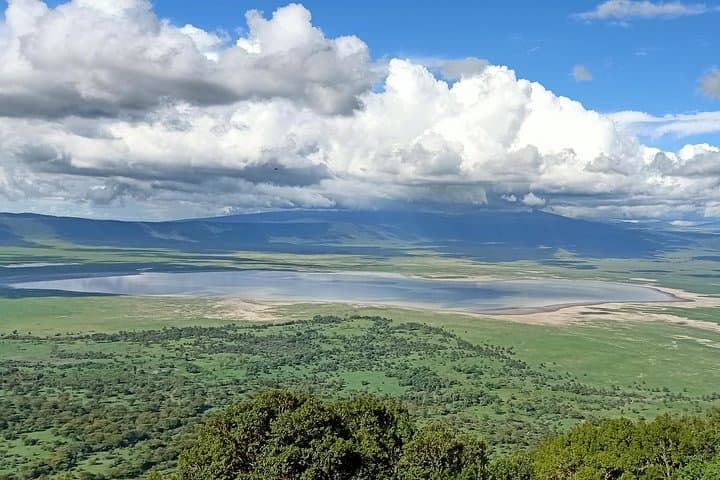
You park on the rim at first light and the crater yawns below — a bowl of grassland, watercourses and scattered acacia that seems to hold an entire ecosystem inside its steep walls. The van eases down the rough track and you feel the air change, cooler and heavier with dust and spoor as crater plains open like a stage.
Verified experiences and guided adventures in the surrounding area.
Operated by Samsons Safaris · Ngorongoro, Arusha Region
You park on the rim at first light and the crater yawns below — a bowl of grassland, watercourses and scattered acacia that seems to hold an entire ecosystem inside its steep walls. The van eases down the rough track and you feel the air change, cooler and heavier with dust and spoor as crater plains open like a stage.
Ngorongoro is the remnant of a collapsed volcanic cone, its steep walls rising up to 600m above a caldera floor roughly 260 km². Maasai culture threads the margins: herders and their cattle share corridors with lions, and generational knowledge guides where to find elusive species. Geologically, the crater preserves volcano-sedimentary layers that support a surprising mix of wetland and grassland habitats.
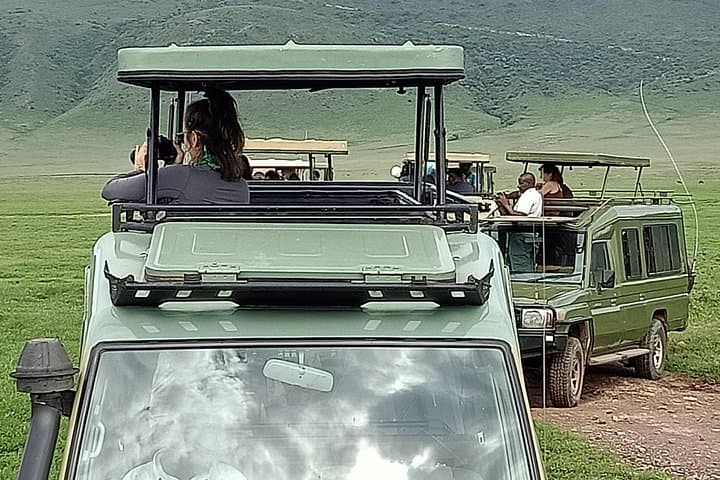
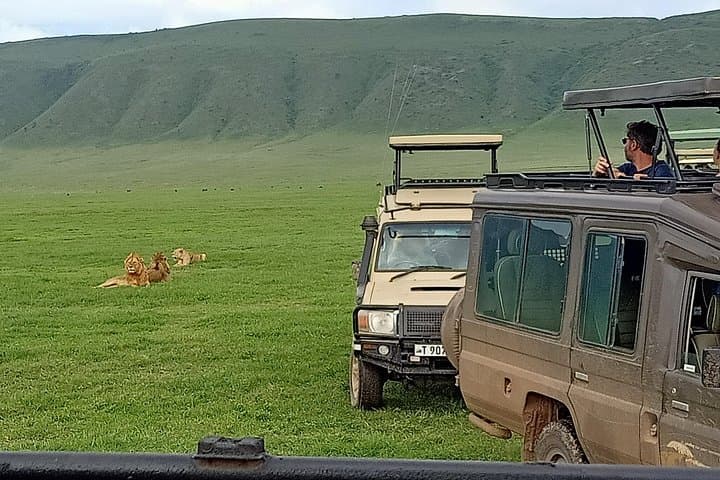
On a day trip from Arusha expect long game drives, stopovers at viewing points that explain crater formation, and a picnic lunch in the reserve. Guides scan for the Big Five — lions, black rhino, elephant, buffalo and leopard — though sightings are never guaranteed. The wildlife moves with the seasons; early morning and late afternoon are the most active windows.
Practical notes: it’s a full 12–13 hour outing; bring layers, sun protection and binoculars. The road down to the floor is rough; those prone to motion sickness should plan accordingly. Park entrance and service fees are typically included in tour pricing, and vehicles are coordinated to reduce impact on sensitive zones.
Respect local rules: keep windows closed near wildlife, follow your guide’s directions, and avoid feeding animals. With basic preparation this day trip delivers concentrated, sustained wildlife viewing inside one of East Africa’s most geologically distinct landscapes.
moderate.
12–13 hours.
Moderate fitness recommended—most time is seated in a vehicle but you should be able to climb in/out of vehicles and stand for viewing.
Many operators include Ngorongoro Conservation Area entrance and crater service fees in the tour price—confirm before booking.
The crater supports populations of the Big Five, but sightings are never guaranteed; a full day maximizes your chance but depends on animal movement.
Typical departures are before dawn from Arusha with returns in the evening—expect a 12–13 hour day including transit time.
This specific offering is listed as a private tour, giving you a dedicated vehicle and guide for your group.
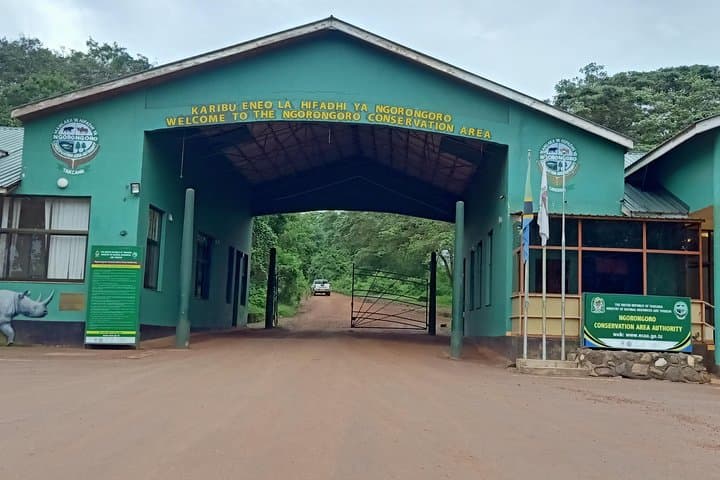
The Ngorongoro Conservation Area is a UNESCO World Heritage site that protects both Maasai pastoralist livelihoods and diverse wildlife within a volcanic caldera.
Strict visitor rules and controlled vehicle numbers aim to minimize disturbance; support local guides and adhere to waste protocols to reduce impact.
Samsons Safaris operates guided outdoor trips and adventures with an emphasis on safety, stewardship, and memorable experiences.
You park on the rim at first light and the crater yawns below — a bowl of grassland, watercourses and scattered acacia that seems to hold an entire ecosystem inside its steep walls. The van eases down the rough track and you feel the air change, cooler and heavier with dust and spoor as crater plains open like a stage.
You park on the rim at first light and the crater yawns below — a bowl of grassland, watercourses and scattered acacia that seems to hold an entire ecosystem inside its steep walls. The van eases down the rough track and you feel the air change, cooler and heavier with dust and spoor as crater plains open like a stage.
Ngorongoro is the remnant of a collapsed volcanic cone, its steep walls rising up to 600m above a caldera floor roughly 260 km². Maasai culture threads the margins: herders and their cattle share corridors with lions, and generational knowledge guides where to find elusive species. Geologically, the crater preserves volcano-sedimentary layers that support a surprising mix of wetland and grassland habitats.
On a day trip from Arusha expect long game drives, stopovers at viewing points that explain crater formation, and a picnic lunch in the reserve. Guides scan for the Big Five — lions, black rhino, elephant, buffalo and leopard — though sightings are never guaranteed. The wildlife moves with the seasons; early morning and late afternoon are the most active windows.
Practical notes: it’s a full 12–13 hour outing; bring layers, sun protection and binoculars. The road down to the floor is rough; those prone to motion sickness should plan accordingly. Park entrance and service fees are typically included in tour pricing, and vehicles are coordinated to reduce impact on sensitive zones.
Respect local rules: keep windows closed near wildlife, follow your guide’s directions, and avoid feeding animals. With basic preparation this day trip delivers concentrated, sustained wildlife viewing inside one of East Africa’s most geologically distinct landscapes.