THE ADVENTURE COLLECTIVE® · Independent discovery and booking for outdoor travel

Spend a long day inside one of Africa’s most concentrated wildlife bowls: Ngorongoro Crater. This shared full‑day safari from Arusha or Moshi combines accessible game drives, a picnic lunch, and high chances to see the Big 5 in a dramatic volcanic caldera.
Spend a long day inside one of Africa’s most concentrated wildlife bowls: Ngorongoro Crater. This shared full‑day safari from Arusha or Moshi combines accessible game drives, a picnic lunch, and high chances to see the Big 5 in a dramatic volcanic caldera.
You climb the crater rim as dawn breaks and the air thins—the rim sits above 2,200 metres—then drop into a bowl where grasslands, acacia clumps and a glittering soda lake hold a quarter-million stories. Vehicles thread between grazing buffalo and grazing Maasai cattle; lions lounge in the shade and a tower of giraffes nibbles the outer slopes. The crater floor, roughly 1,800–1,900 metres in elevation, concentrates wildlife in a way that makes every turn feel decisive.
Verified experiences and guided adventures in the surrounding area.
Operated by BEST Kilimanjaro CLIMB | HIKE | BIKE TREK | Tanzania Safaris from Moshi & Arusha · Ngorongoro Conservation Area, Arusha Region
You climb the crater rim as dawn breaks and the air thins—the rim sits above 2,200 metres—then drop into a bowl where grasslands, acacia clumps and a glittering soda lake hold a quarter-million stories. Vehicles thread between grazing buffalo and grazing Maasai cattle; lions lounge in the shade and a tower of giraffes nibbles the outer slopes. The crater floor, roughly 1,800–1,900 metres in elevation, concentrates wildlife in a way that makes every turn feel decisive.
Geology here is blunt and ancient: Ngorongoro is the collapsed caldera of a giant volcano that gave way some 2–3 million years ago. The basin now supports roughly 30,000 animals and is part of a UNESCO World Heritage site where pastoral Maasai still move cattle on the highlands. Lerai Forest and the crater’s hippo pools offer distinct habitats within the same bowl, and birdlife rides thermals above the soda lake.
Practically, this is a full-day shared safari—most departures leave Arusha (≈130 km) or Moshi (≈210 km) early and return by early evening (itinerary typically 07:30–18:00). Expect dusty jeep tracks, guided game drives, and a picnic lunch at a designated site. Wear layers—mornings on the rim are chilly, the floor warms quickly. Binoculars and a telephoto lens are the difference between a glance and a sighting. Park rules are strict: stay in the vehicle, keep noise low, and follow your guide’s directions to protect wildlife and Maasai grazing zones.
Plan for long daylight hours, bring water, and be ready for sudden sightings—here the landscape pushes encounters forward and asks you to pay attention.
easy.
10–11 hours.
Suitable for most fitness levels; requires the ability to get in/out of a safari vehicle and tolerate bumpy roads.
Typical shared departures run about 10–11 hours: leave early morning (≈07:30) and return by early evening (≈18:00).
Ngorongoro has high Big 5 density and many visitors see several Big 5 species in one day, but sightings depend on chance and animal movements, so there are no guarantees.
Most day tours include breakfast and a picnic lunch at a designated site inside or near the crater, as noted in the itinerary.
Visitors must pay park entrance fees (usually included in tour pricing); check current health advisories for recommended vaccinations and malaria prophylaxis before travel.
Ngorongoro is a collapsed volcanic caldera formed millions of years ago and designated a UNESCO World Heritage site for its exceptional wildlife and cultural landscapes.
Tourism revenue supports park management and local Maasai communities; visitors should minimize disturbance, avoid littering, and respect grazing areas to reduce impact.
BEST Kilimanjaro CLIMB | HIKE | BIKE TREK | Tanzania Safaris from Moshi & Arusha operates guided outdoor trips and adventures with an emphasis on safety, stewardship, and memorable experiences.
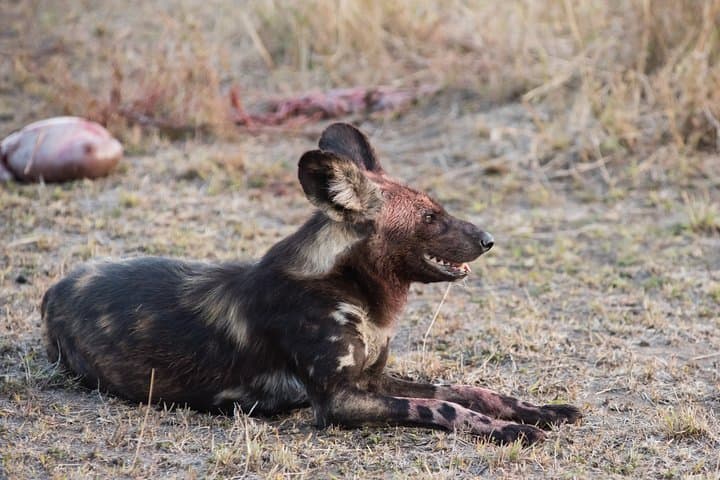
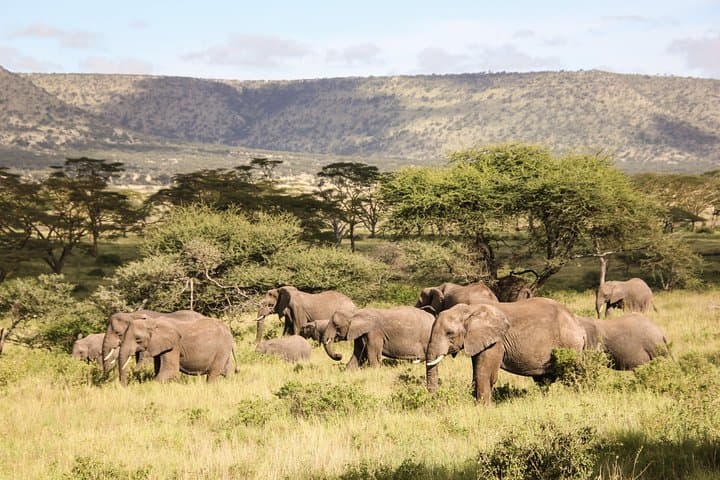
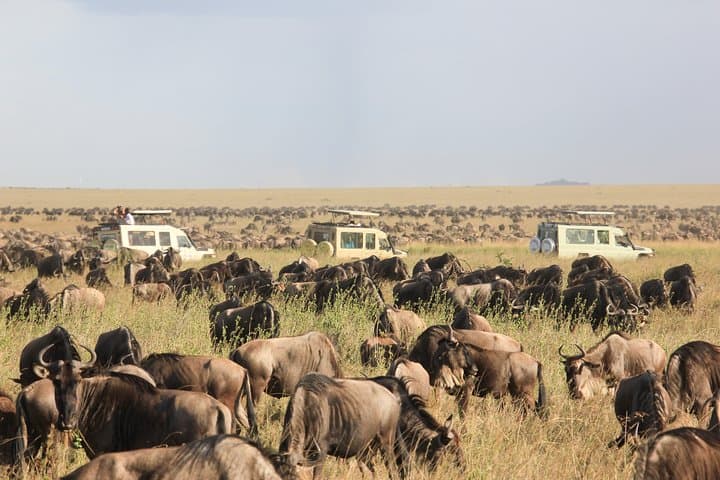
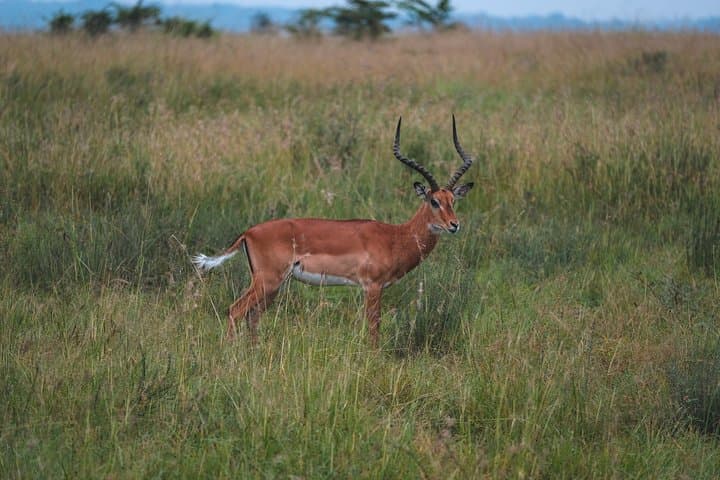
You climb the crater rim as dawn breaks and the air thins—the rim sits above 2,200 metres—then drop into a bowl where grasslands, acacia clumps and a glittering soda lake hold a quarter-million stories. Vehicles thread between grazing buffalo and grazing Maasai cattle; lions lounge in the shade and a tower of giraffes nibbles the outer slopes. The crater floor, roughly 1,800–1,900 metres in elevation, concentrates wildlife in a way that makes every turn feel decisive.
You climb the crater rim as dawn breaks and the air thins—the rim sits above 2,200 metres—then drop into a bowl where grasslands, acacia clumps and a glittering soda lake hold a quarter-million stories. Vehicles thread between grazing buffalo and grazing Maasai cattle; lions lounge in the shade and a tower of giraffes nibbles the outer slopes. The crater floor, roughly 1,800–1,900 metres in elevation, concentrates wildlife in a way that makes every turn feel decisive.
Geology here is blunt and ancient: Ngorongoro is the collapsed caldera of a giant volcano that gave way some 2–3 million years ago. The basin now supports roughly 30,000 animals and is part of a UNESCO World Heritage site where pastoral Maasai still move cattle on the highlands. Lerai Forest and the crater’s hippo pools offer distinct habitats within the same bowl, and birdlife rides thermals above the soda lake.
Practically, this is a full-day shared safari—most departures leave Arusha (≈130 km) or Moshi (≈210 km) early and return by early evening (itinerary typically 07:30–18:00). Expect dusty jeep tracks, guided game drives, and a picnic lunch at a designated site. Wear layers—mornings on the rim are chilly, the floor warms quickly. Binoculars and a telephoto lens are the difference between a glance and a sighting. Park rules are strict: stay in the vehicle, keep noise low, and follow your guide’s directions to protect wildlife and Maasai grazing zones.
Plan for long daylight hours, bring water, and be ready for sudden sightings—here the landscape pushes encounters forward and asks you to pay attention.