THE ADVENTURE COLLECTIVE® · Independent discovery and booking for outdoor travel

Descend into Ngorongoro’s vast caldera for a full-day safari from Arusha. Expect long drives, unforgettable wildlife sightings—including the Big Five—and dramatic rim-to-floor landscapes.
Descend into Ngorongoro’s vast caldera for a full-day safari from Arusha. Expect long drives, unforgettable wildlife sightings—including the Big Five—and dramatic rim-to-floor landscapes.
Sunrise in the highlands feels decisive: the road out of Arusha tightens into distant ridgelines, and soon the rim of Ngorongoro appears as a bowl cut into the earth. You stand at the edge—wind shaping grass and dust—and then descend into one of the world’s largest intact calderas for a day of close-up wildlife viewing.
Verified experiences and guided adventures in the surrounding area.
Operated by Budget Safaris Tanzania · Karatu, Arusha Region
Sunrise in the highlands feels decisive: the road out of Arusha tightens into distant ridgelines, and soon the rim of Ngorongoro appears as a bowl cut into the earth. You stand at the edge—wind shaping grass and dust—and then descend into one of the world’s largest intact calderas for a day of close-up wildlife viewing.
The crater is a geological giant: roughly 20 km across and up to 600 m deep, formed when a volcanic mountain collapsed. Its rim sits around 2,300–2,400 m elevation, creating a cooler climate that supports grasslands, forest pockets and a shallow soda lake where flamingos gather. Human history here is layered—Maasai pastoralists still graze cattle on the rim, and the area is protected as a UNESCO World Heritage Site for its natural and cultural value.
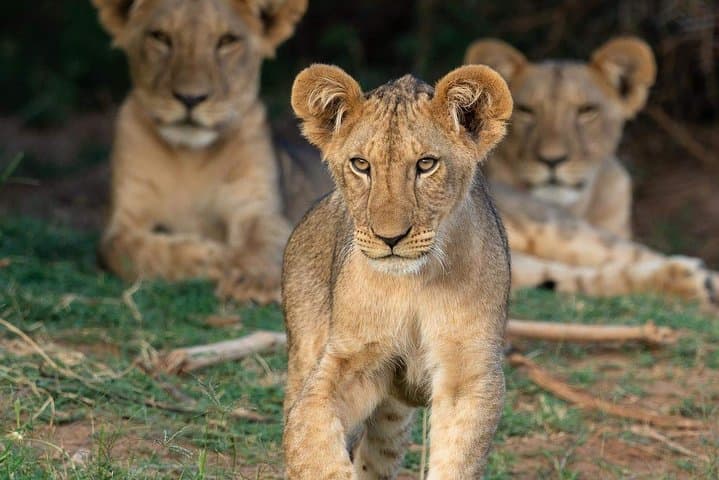
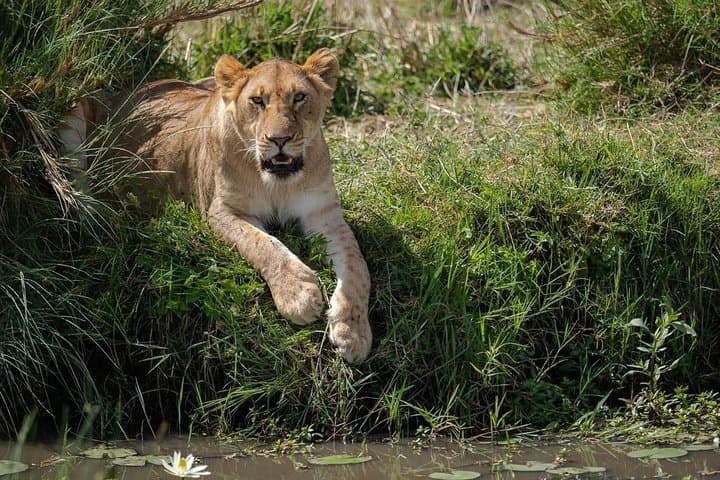
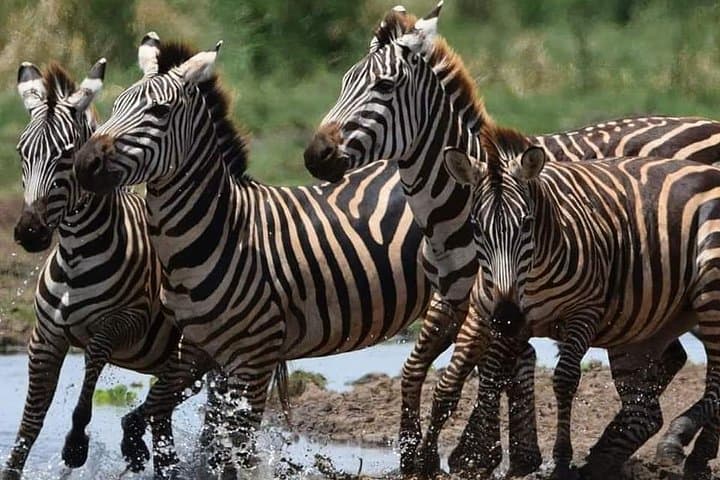
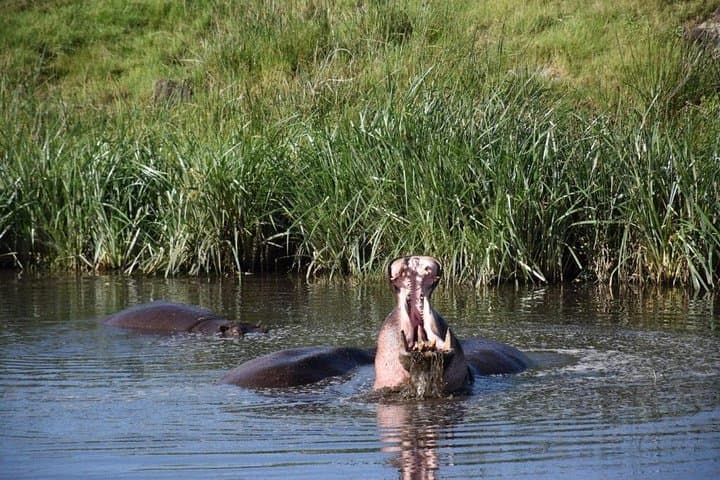
On a full-day game drive you’ll scan for the Big Five—lion, elephant, buffalo, rhino, leopard—along with zebra, wildebeest, hyena and abundant birdlife. The landscape guides the experience: open plains that invite long looks, marshy hollows that conceal hippos, and rocky kopjes where predators watch.
Practical note: this is a long day. Pickup in Arusha early morning (typically 6:00), a roughly 3–4 hour drive to the gate, then crater exploration and a return drive. Park fees, guide and meals are usually included in organized tours. Bring layers for temperature shifts, sun protection for the open floor, a good camera and binoculars, and patience—wildlife follows its own timetable. Respect distance rules, keep noise low, and follow your guide’s directions to keep both animals and people safe.
easy.
11–13 hours.
Suitable for most fitness levels; involves long periods seated in a vehicle and short, uneven walks to viewpoints.
Expect roughly 3–4 hours one way on tarmac and good secondary roads; actual time varies with stops and road conditions.
Most organized day tours include park fees, a guide, and at least one meal—confirm with your operator before booking.
Short guided walks near designated spots may be permitted, but most wildlife viewing is by vehicle and any walking should be guided and limited for safety.
Ngorongoro day trips are family-friendly and often wheelchair-accessible for vehicle travel, but terrain at viewpoints can be uneven; check specific accessibility options with the operator.
Ngorongoro Conservation Area is a UNESCO World Heritage Site where Maasai pastoralist culture coexists with wildlife protections, and the caldera itself formed from a collapsed volcano millions of years ago.
The area balances tourism with pastoral grazing and strict park rules; visitors should stick to routes, avoid littering, and support operators that contribute to local conservation funds.
Budget Safaris Tanzania operates guided outdoor trips and adventures with an emphasis on safety, stewardship, and memorable experiences.
Sunrise in the highlands feels decisive: the road out of Arusha tightens into distant ridgelines, and soon the rim of Ngorongoro appears as a bowl cut into the earth. You stand at the edge—wind shaping grass and dust—and then descend into one of the world’s largest intact calderas for a day of close-up wildlife viewing.
Sunrise in the highlands feels decisive: the road out of Arusha tightens into distant ridgelines, and soon the rim of Ngorongoro appears as a bowl cut into the earth. You stand at the edge—wind shaping grass and dust—and then descend into one of the world’s largest intact calderas for a day of close-up wildlife viewing.
The crater is a geological giant: roughly 20 km across and up to 600 m deep, formed when a volcanic mountain collapsed. Its rim sits around 2,300–2,400 m elevation, creating a cooler climate that supports grasslands, forest pockets and a shallow soda lake where flamingos gather. Human history here is layered—Maasai pastoralists still graze cattle on the rim, and the area is protected as a UNESCO World Heritage Site for its natural and cultural value.
On a full-day game drive you’ll scan for the Big Five—lion, elephant, buffalo, rhino, leopard—along with zebra, wildebeest, hyena and abundant birdlife. The landscape guides the experience: open plains that invite long looks, marshy hollows that conceal hippos, and rocky kopjes where predators watch.
Practical note: this is a long day. Pickup in Arusha early morning (typically 6:00), a roughly 3–4 hour drive to the gate, then crater exploration and a return drive. Park fees, guide and meals are usually included in organized tours. Bring layers for temperature shifts, sun protection for the open floor, a good camera and binoculars, and patience—wildlife follows its own timetable. Respect distance rules, keep noise low, and follow your guide’s directions to keep both animals and people safe.