THE ADVENTURE COLLECTIVE® · Independent discovery and booking for outdoor travel

Descend into one of the world’s largest unbroken calderas for a concentrated day of wildlife viewing. Early starts, good guides, and binoculars reward visitors with lions, elephants, hippos and flamingos in a dramatic volcanic bowl.
Descend into one of the world’s largest unbroken calderas for a concentrated day of wildlife viewing. Early starts, good guides, and binoculars reward visitors with lions, elephants, hippos and flamingos in a dramatic volcanic bowl.
You arrive at the rim before sunrise, the crater walls looming like an amphitheater holding its breath. A low mist lifts from the marshes and the early light slides across open grassland; vehicles thread down a track and the day’s quiet breaks into the sudden business of wildlife.
Verified experiences and guided adventures in the surrounding area.
Operated by Kwezi Safaris Ltd · Karatu, Arusha Region
You arrive at the rim before sunrise, the crater walls looming like an amphitheater holding its breath. A low mist lifts from the marshes and the early light slides across open grassland; vehicles thread down a track and the day’s quiet breaks into the sudden business of wildlife.
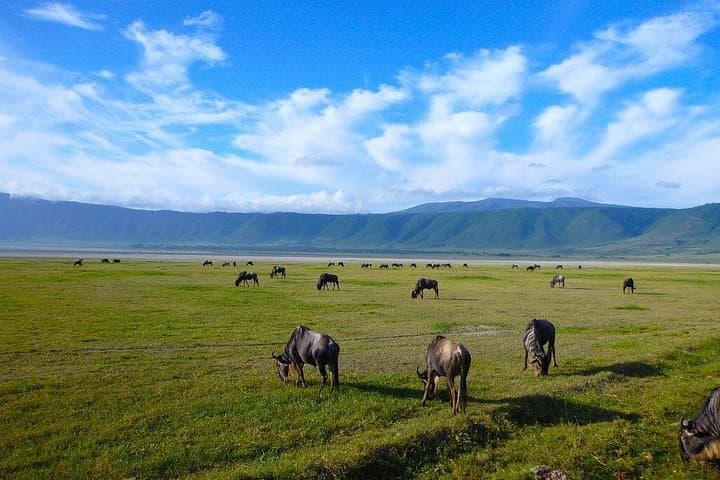
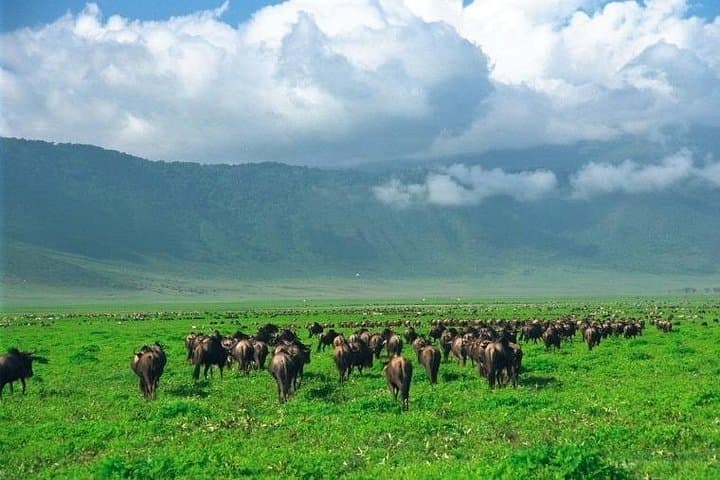
Geology here is obvious: a 19 km-wide unbroken caldera, 264 sq km of floor ringed by steep walls that rise 400–610 m. That dramatic drop created an isolated ecosystem where grazers, browsers and predators move in predictable circuits. Human history sits close by—Maasai pastoralists have grazed these slopes for generations, and the Ngorongoro Conservation Area is a UNESCO-protected landscape that balances tourism with traditional land use.
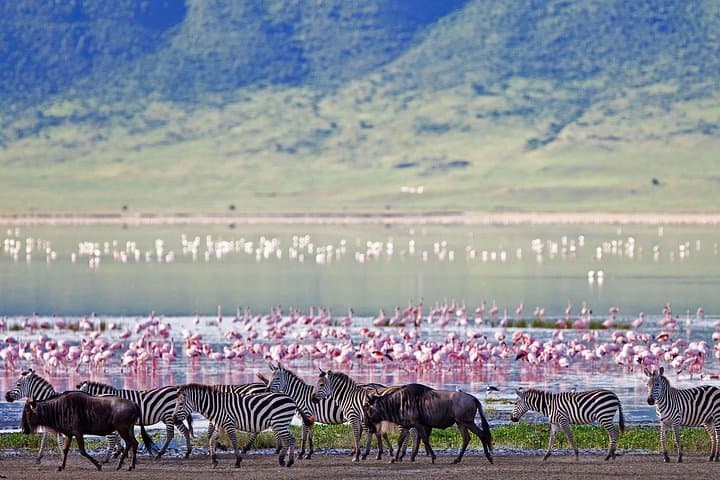
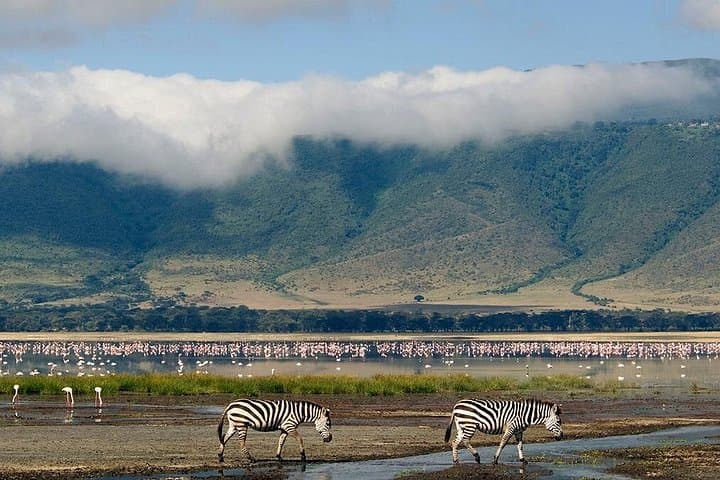
On a typical day trip expect mixed terrain: short dirt tracks, open plains, swampy patches and a few forested pockets such as Lerai. Wildlife viewing is the focus—lions, elephant herds, hippos in shallow pools, flamingos on soda lakes and, with a bit of luck, the rare black rhino. Guides coordinate with other drivers to find animals, so sightings are maximized without long hikes.
Practical guidance: start early to beat heat and visiting traffic; wear sun protection and layered clothing (mornings are cool, midday warm). Bring binoculars and a camera with a telephoto lens. Park entrance fees are handled by most operators, but small cash for tips is expected. Expect a long, vehicle-heavy day—pack water, snacks, and patience. Stay in your vehicle near wildlife, follow your guide’s directions, and leave no trace to protect this fragile crater
easy.
6–15 hours.
Suitable for most fitness levels; requires long periods seated in a vehicle and short walks to viewpoints
Most tour packages include park entrance fees—confirm at booking; guides typically handle paperwork on arrival.
Yes; Ngorongoro is one of the few places where black rhino persist in Tanzania, but sightings are uncommon and not guaranteed.
Many operators offer wheelchair-accessible transport and the crater rim areas are approachable, but vehicle-based viewing is the norm—notify the operator of needs when booking.
The dry seasons—June to October and December to February—concentrate animals around permanent water and improve visibility, though wildlife is present year-round.
The Ngorongoro Conservation Area is a mixed-use UNESCO site where Maasai pastoral tradition meets modern conservation; the crater itself formed from a volcanic collapse hundreds of thousands of years ago.
Strict park regulations limit vehicle numbers and require permits; stay on designated tracks, avoid feeding animals and support local guides to reduce your footprint.
Kwezi Safaris Ltd operates guided outdoor trips and adventures with an emphasis on safety, stewardship, and memorable experiences.
You arrive at the rim before sunrise, the crater walls looming like an amphitheater holding its breath. A low mist lifts from the marshes and the early light slides across open grassland; vehicles thread down a track and the day’s quiet breaks into the sudden business of wildlife.
You arrive at the rim before sunrise, the crater walls looming like an amphitheater holding its breath. A low mist lifts from the marshes and the early light slides across open grassland; vehicles thread down a track and the day’s quiet breaks into the sudden business of wildlife.
Geology here is obvious: a 19 km-wide unbroken caldera, 264 sq km of floor ringed by steep walls that rise 400–610 m. That dramatic drop created an isolated ecosystem where grazers, browsers and predators move in predictable circuits. Human history sits close by—Maasai pastoralists have grazed these slopes for generations, and the Ngorongoro Conservation Area is a UNESCO-protected landscape that balances tourism with traditional land use.
On a typical day trip expect mixed terrain: short dirt tracks, open plains, swampy patches and a few forested pockets such as Lerai. Wildlife viewing is the focus—lions, elephant herds, hippos in shallow pools, flamingos on soda lakes and, with a bit of luck, the rare black rhino. Guides coordinate with other drivers to find animals, so sightings are maximized without long hikes.
Practical guidance: start early to beat heat and visiting traffic; wear sun protection and layered clothing (mornings are cool, midday warm). Bring binoculars and a camera with a telephoto lens. Park entrance fees are handled by most operators, but small cash for tips is expected. Expect a long, vehicle-heavy day—pack water, snacks, and patience. Stay in your vehicle near wildlife, follow your guide’s directions, and leave no trace to protect this fragile crater