THE ADVENTURE COLLECTIVE® · Independent discovery and booking for outdoor travel

A full-day 4x4 adventure into the Ngorongoro Crater puts you face-to-face with dense concentrations of African wildlife inside the world’s largest intact volcanic caldera. Expect long drives, dramatic viewpoints, and vehicle-based game drives with a picnic lunch by the hippo pool.
A full-day 4x4 adventure into the Ngorongoro Crater puts you face-to-face with dense concentrations of African wildlife inside the world’s largest intact volcanic caldera. Expect long drives, dramatic viewpoints, and vehicle-based game drives with a picnic lunch by the hippo pool.
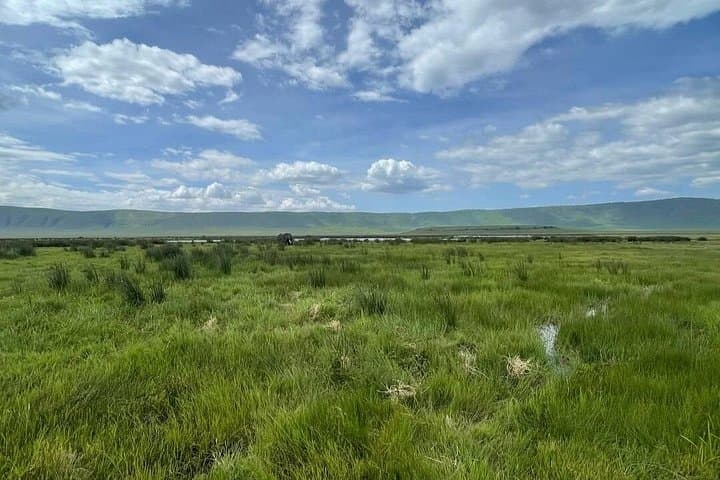
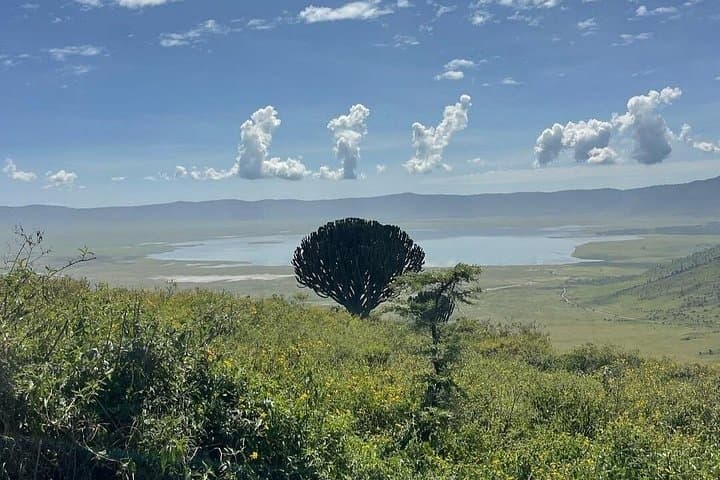
You descend the rim in a rumbling 4x4 as morning light slides across a bowl the size of a small city. Below, the crater floor yawns wide and alive: plains cut by a ribbon of water, a hippo pool steaming with activity, and herds moving like a slow current. Birds wheel overhead and the land seems to breathe around you, holding predators and prey in close quarters.
Verified experiences and guided adventures in the surrounding area.
Operated by Explorian Safaris · Karatu, Arusha Region
You descend the rim in a rumbling 4x4 as morning light slides across a bowl the size of a small city. Below, the crater floor yawns wide and alive: plains cut by a ribbon of water, a hippo pool steaming with activity, and herds moving like a slow current. Birds wheel overhead and the land seems to breathe around you, holding predators and prey in close quarters.
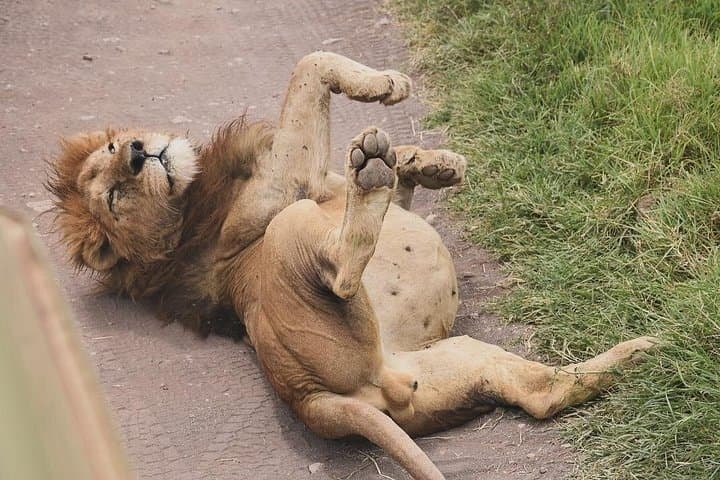
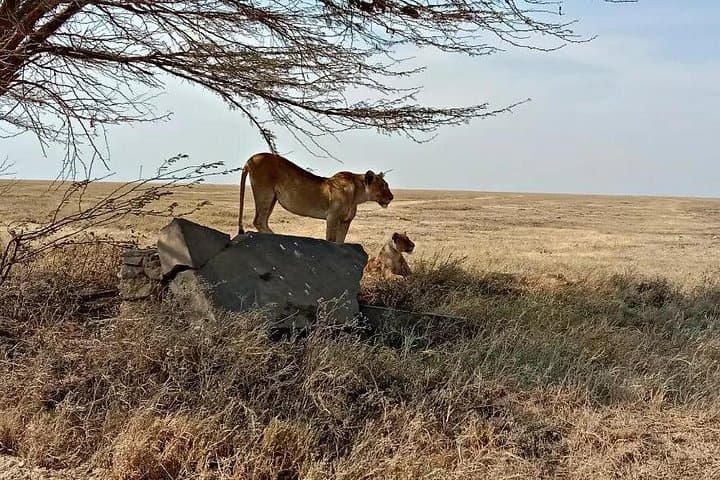
Formed two to three million years ago when a giant volcano collapsed, Ngorongoro is the world's largest intact volcanic caldera. The rim carries the history of Maasai pastoralists—whose cattle still graze in managed sections—and the evidence of geological violence softened into a place of persistent life. Its volcanic soils support grasses that feed the crater's roughly 25,000 large animals, including black rhino, lion, elephant, buffalo, and large ungulate herds.
A full-day itinerary covers a scenic 3–4 hour drive from Arusha or Moshi, a rim viewpoint, then a guided game drive across the crater floor with lunch by the hippo pool. The terrain on the floor is uneven dirt and short grass with occasional forested patches (expect short walks from the vehicle but mostly vehicle-based viewing). Guides read animal behavior and know the best loops for sighting; park rules keep vehicles on designated tracks.
Practical notes: plan for a long day (10–13 hours), bring layered clothing for chilly rim mornings and hot afternoons, sun protection, binoculars, and motion-sickness remedies for the descent. Respect wildlife distances, follow your guide’s instructions, and carry water—hydration and patience make the difference between a good sighting and a great one.
easy.
10–13 hours.
Suitable for most fitness levels; requires sitting through long vehicle transfers and short walks to viewpoints or rest areas.
Expect a 10–13 hour excursion including hotel pickup, a rim viewpoint stop, a 3–4 hour descent and game drive on the crater floor, lunch near the hippo pool, park fees, bottled water, and a professional driver-guide.
There are no mandatory vaccinations for the crater itself but ensure routine vaccinations are current; consult a travel clinic for recommended shots (e.g., yellow fever if required by itinerary) and bring malaria prophylaxis as advised for the region.
The activity is vehicle-based and noted as suitable for most fitness levels, but organizers often advise against travel for pregnant travelers and those with serious heart conditions—check booking restrictions and medical guidance.
Restroom stops are available at designated points such as the picnic area near the hippo pool and at the rim viewpoint; facilities are basic so carry essentials in your daypack.
The caldera formed when an enormous volcano collapsed millions of years ago; the rim area has long been inhabited and managed by Maasai pastoral communities within the conservation area.
Tourism fees support conservation and community programs in the Ngorongoro Conservation Area; visitors help by staying on tracks, avoiding single-use plastics, and following guide instructions to minimize disturbance.
Explorian Safaris operates guided outdoor trips and adventures with an emphasis on safety, stewardship, and memorable experiences.
You descend the rim in a rumbling 4x4 as morning light slides across a bowl the size of a small city. Below, the crater floor yawns wide and alive: plains cut by a ribbon of water, a hippo pool steaming with activity, and herds moving like a slow current. Birds wheel overhead and the land seems to breathe around you, holding predators and prey in close quarters.
You descend the rim in a rumbling 4x4 as morning light slides across a bowl the size of a small city. Below, the crater floor yawns wide and alive: plains cut by a ribbon of water, a hippo pool steaming with activity, and herds moving like a slow current. Birds wheel overhead and the land seems to breathe around you, holding predators and prey in close quarters.
Formed two to three million years ago when a giant volcano collapsed, Ngorongoro is the world's largest intact volcanic caldera. The rim carries the history of Maasai pastoralists—whose cattle still graze in managed sections—and the evidence of geological violence softened into a place of persistent life. Its volcanic soils support grasses that feed the crater's roughly 25,000 large animals, including black rhino, lion, elephant, buffalo, and large ungulate herds.
A full-day itinerary covers a scenic 3–4 hour drive from Arusha or Moshi, a rim viewpoint, then a guided game drive across the crater floor with lunch by the hippo pool. The terrain on the floor is uneven dirt and short grass with occasional forested patches (expect short walks from the vehicle but mostly vehicle-based viewing). Guides read animal behavior and know the best loops for sighting; park rules keep vehicles on designated tracks.
Practical notes: plan for a long day (10–13 hours), bring layered clothing for chilly rim mornings and hot afternoons, sun protection, binoculars, and motion-sickness remedies for the descent. Respect wildlife distances, follow your guide’s instructions, and carry water—hydration and patience make the difference between a good sighting and a great one.