THE ADVENTURE COLLECTIVE® · Independent discovery and booking for outdoor travel

Spend a full day descending into one of the world’s largest intact volcanic calderas for concentrated wildlife viewing. This practical guide covers what to expect on a Ngorongoro Crater day trip from Arusha—logistics, geology, culture and tips to make the most of your game drive.
Spend a full day descending into one of the world’s largest intact volcanic calderas for concentrated wildlife viewing. This practical guide covers what to expect on a Ngorongoro Crater day trip from Arusha—logistics, geology, culture and tips to make the most of your game drive.
You arrive before sunrise, the road slicing west from Arusha as the land flattens and the air cools. By the rim the crater opens like a sealed amphitheater—steep walls drop into a wide, green bowl where plains, forest pockets and a soda lake collect wildlife. Your guide’s truck hums as you descend; the day becomes a deliberate scan for movement—flanks of buffalo, a distant lion silhouette, hippos grunting near water.
Verified experiences and guided adventures in the surrounding area.
Operated by Budget Safaris Tanzania · Arusha, Arusha Region
You arrive before sunrise, the road slicing west from Arusha as the land flattens and the air cools. By the rim the crater opens like a sealed amphitheater—steep walls drop into a wide, green bowl where plains, forest pockets and a soda lake collect wildlife. Your guide’s truck hums as you descend; the day becomes a deliberate scan for movement—flanks of buffalo, a distant lion silhouette, hippos grunting near water.
Geology here is obvious: Ngorongoro is an intact volcanic caldera formed when a giant volcano collapsed roughly two to three million years ago. The Conservation Area was created mid-20th century to protect Maasai lands and wildlife and gained UNESCO World Heritage status in 1979. Maasai culture persists on the highlands; herders and their cattle share the mosaic of grazing land beyond the rim.
Expect an early pickup from Arusha and a roughly 190 km drive to the crater gate, then descent to the floor for a day of game viewing. Roads inside the crater are tracked dirt—vehicle access is the practical way to cover the habitat variety. Wildlife is abundant but not guaranteed; sightings depend on season and animal movement. Lunch and park fees are typically included on organized day trips.
Practical guidance: bring layered clothing for cool mornings and hot midday, a sun hat, refillable water, and binoculars. Keep camera batteries charged and carry motion-sickness prevention if you’re sensitive to winding descents. Respect park rules: no stepping out of vehicles except in designated areas, and follow your guide’s directions for safe viewing distances.
easy.
10–12 hours.
Minimal walking is required; participants should be comfortable sitting for several hours and entering/exiting a safari vehicle.
The tarmac drive to the Ngorongoro gate is about 190 km and typically takes 3–4 hours each way depending on stops and traffic.
Many organized day trips include park fees and lunch—confirm with your operator; some options list fees separately.
For safety and conservation, you should only exit the vehicle in designated areas and when your guide deems it safe.
You can expect large herbivores (zebra, wildebeest, buffalo), predators (lion, possibly leopard), and, with luck, black rhino sightings along valley edges; birds like flamingos may appear at soda lakes.
The Ngorongoro Conservation Area Authority was established in the mid-20th century to manage land shared by Maasai pastoralists and wildlife; the crater was inscribed as a UNESCO World Heritage Site in 1979.
Tourism funds and NCAA management support anti-poaching and community programs, but visitor pressure and habitat change require ongoing sustainable practices—stay on tracks and follow guides’ rules.
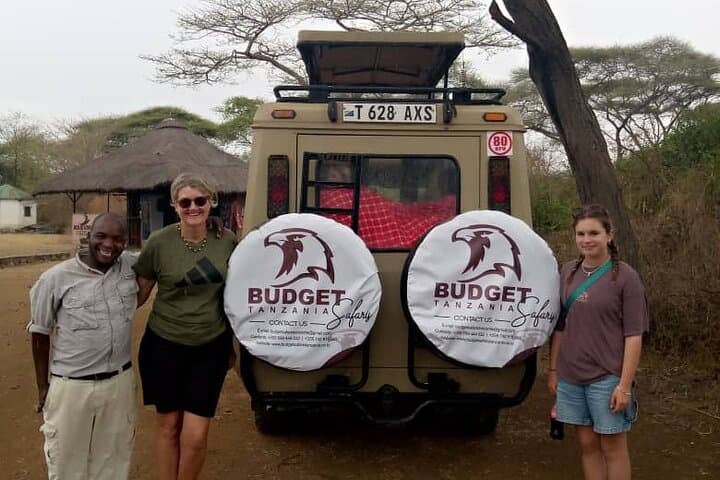
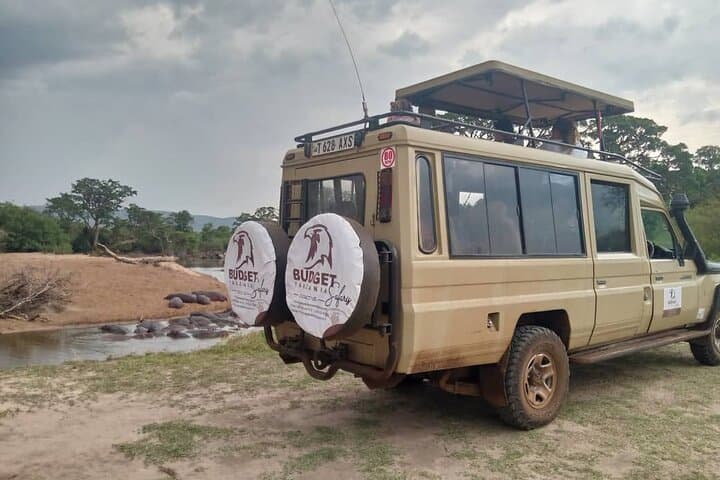
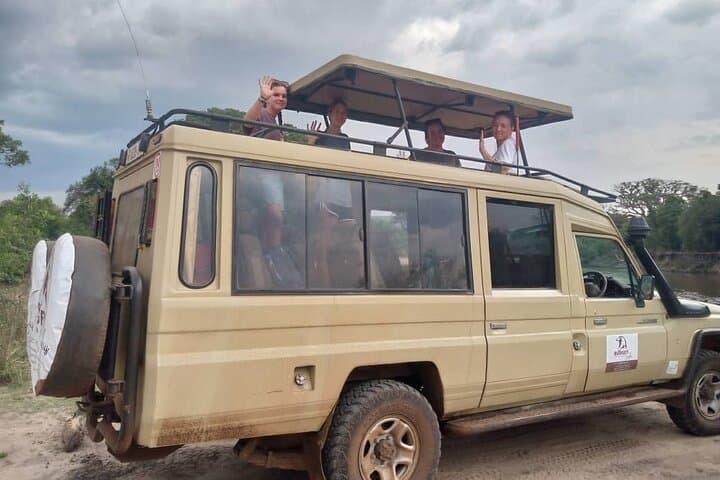
Budget Safaris Tanzania operates guided outdoor trips and adventures with an emphasis on safety, stewardship, and memorable experiences.
You arrive before sunrise, the road slicing west from Arusha as the land flattens and the air cools. By the rim the crater opens like a sealed amphitheater—steep walls drop into a wide, green bowl where plains, forest pockets and a soda lake collect wildlife. Your guide’s truck hums as you descend; the day becomes a deliberate scan for movement—flanks of buffalo, a distant lion silhouette, hippos grunting near water.
You arrive before sunrise, the road slicing west from Arusha as the land flattens and the air cools. By the rim the crater opens like a sealed amphitheater—steep walls drop into a wide, green bowl where plains, forest pockets and a soda lake collect wildlife. Your guide’s truck hums as you descend; the day becomes a deliberate scan for movement—flanks of buffalo, a distant lion silhouette, hippos grunting near water.
Geology here is obvious: Ngorongoro is an intact volcanic caldera formed when a giant volcano collapsed roughly two to three million years ago. The Conservation Area was created mid-20th century to protect Maasai lands and wildlife and gained UNESCO World Heritage status in 1979. Maasai culture persists on the highlands; herders and their cattle share the mosaic of grazing land beyond the rim.
Expect an early pickup from Arusha and a roughly 190 km drive to the crater gate, then descent to the floor for a day of game viewing. Roads inside the crater are tracked dirt—vehicle access is the practical way to cover the habitat variety. Wildlife is abundant but not guaranteed; sightings depend on season and animal movement. Lunch and park fees are typically included on organized day trips.
Practical guidance: bring layered clothing for cool mornings and hot midday, a sun hat, refillable water, and binoculars. Keep camera batteries charged and carry motion-sickness prevention if you’re sensitive to winding descents. Respect park rules: no stepping out of vehicles except in designated areas, and follow your guide’s directions for safe viewing distances.