THE ADVENTURE COLLECTIVE® · Independent discovery and booking for outdoor travel

Spend a full day descending into one of the world’s largest calderas for concentrated wildlife viewing and geological spectacle. This Ngorongoro day trip combines vehicle-based game drives with short walks, cultural context, and clear logistics for first-time visitors.
Spend a full day descending into one of the world’s largest calderas for concentrated wildlife viewing and geological spectacle. This Ngorongoro day trip combines vehicle-based game drives with short walks, cultural context, and clear logistics for first-time visitors.
A morning drive from Arusha arrives at the rim before the crater stirs: thin air, wind that threads through acacia and grasses, and a shallow bowl of savanna that seems to hold an entire ecosystem. Vehicles fan out across the crater floor and binoculars lift as herds move like living weather—wildebeest, zebra and grazing antelope crossing the plain while predators watch from the shade.
Verified experiences and guided adventures in the surrounding area.
Operated by Mikumi Holiday Safaris · Karatu, Arusha Region
A morning drive from Arusha arrives at the rim before the crater stirs: thin air, wind that threads through acacia and grasses, and a shallow bowl of savanna that seems to hold an entire ecosystem. Vehicles fan out across the crater floor and binoculars lift as herds move like living weather—wildebeest, zebra and grazing antelope crossing the plain while predators watch from the shade.
The Ngorongoro Conservation Area was set aside in 1959 to balance Maasai pastoral life with wildlife protection; the crater itself is an enormous volcanic caldera formed when a mountain collapsed, roughly 2–3 million years ago. Archaeologists have found hominid footprints and ancient tools in the wider region, making the area significant for both natural history and early human study. Maasai culture remains present on the highlands; herders and livestock still graze in designated zones outside the crater rim.
Expect mostly vehicle-based game viewing with short walks at designated spots. Wildlife is dense—lions, elephants and black rhino occur here, but sightings aren’t guaranteed; quiet observation improves chances. Altitude can be noticeable (rim ~2,300 m), so allow time to acclimate, avoid sudden exertion, and carry water. Roads inside the crater are unpaved; a 4x4 makes the experience smoother. Morning and late afternoon light are best for photography and active animals.
Practically: bring layered clothing for cold mornings, sun protection, and binoculars; carry cash for small purchases in Karatu. A day here is immersive and practical—wildlife viewing, short walks, cultural glimpses, and geology all packed into a single, memorable loop.
easy.
8 hours.
Suitable for those who can sit for several hours and walk short, uneven stretches; minimal aerobic fitness required
Most tours run about 8 hours from Arusha, including round-trip transfer time and several hours of game viewing inside the crater.
Some operators include entrance fees and conservation levies in the price—confirm with your provider; this tour lists fees and taxes as included in its inclusions.
Yes—private guided tours include an experienced driver-guide familiar with local wildlife, culture and crater logistics.
The itinerary is gentle but not recommended for travelers with serious heart or cardiovascular conditions due to altitude and long vehicle time; infants may need to sit on laps as required.
The Ngorongoro area was designated a multiple-use conservation area in 1959, recognizing both wildlife value and Maasai pastoral rights; the crater itself is an ancient volcanic collapse.
Strict quotas on vehicles and regulated grazing help limit disturbance; visitors should stay in vehicles where required and avoid feeding or approaching wildlife.
Mikumi Holiday Safaris operates guided outdoor trips and adventures with an emphasis on safety, stewardship, and memorable experiences.

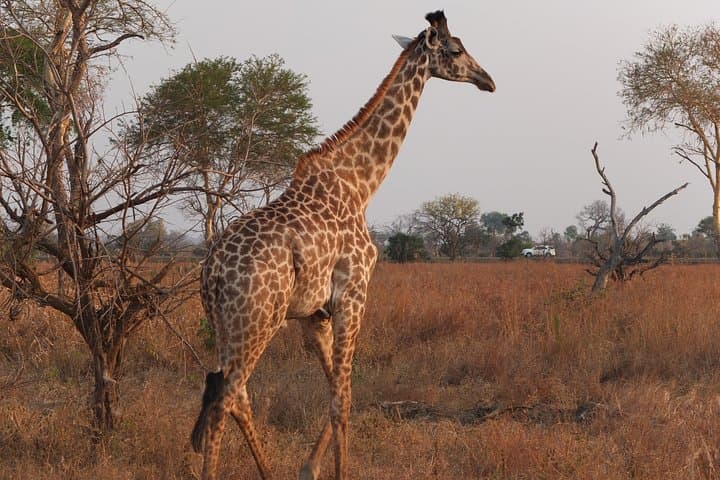
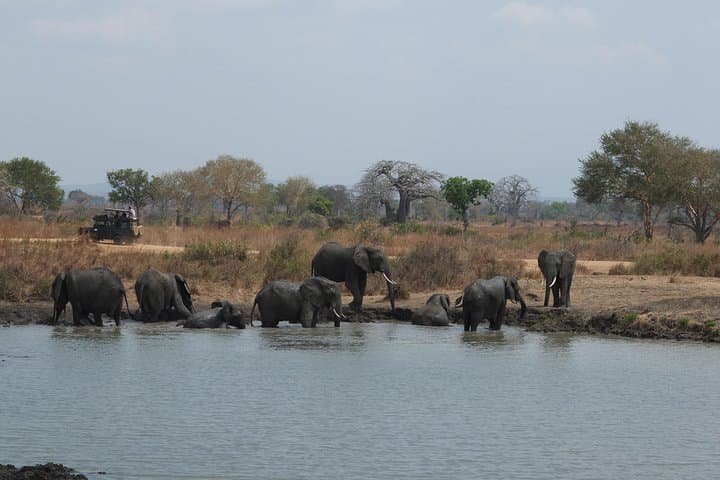
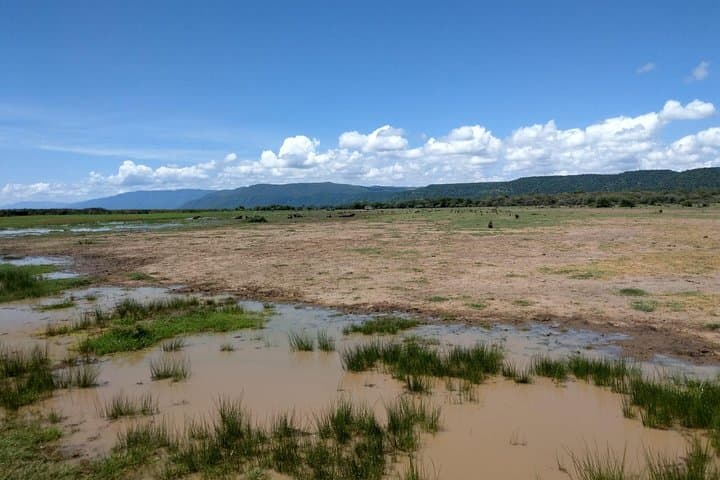
A morning drive from Arusha arrives at the rim before the crater stirs: thin air, wind that threads through acacia and grasses, and a shallow bowl of savanna that seems to hold an entire ecosystem. Vehicles fan out across the crater floor and binoculars lift as herds move like living weather—wildebeest, zebra and grazing antelope crossing the plain while predators watch from the shade.
A morning drive from Arusha arrives at the rim before the crater stirs: thin air, wind that threads through acacia and grasses, and a shallow bowl of savanna that seems to hold an entire ecosystem. Vehicles fan out across the crater floor and binoculars lift as herds move like living weather—wildebeest, zebra and grazing antelope crossing the plain while predators watch from the shade.
The Ngorongoro Conservation Area was set aside in 1959 to balance Maasai pastoral life with wildlife protection; the crater itself is an enormous volcanic caldera formed when a mountain collapsed, roughly 2–3 million years ago. Archaeologists have found hominid footprints and ancient tools in the wider region, making the area significant for both natural history and early human study. Maasai culture remains present on the highlands; herders and livestock still graze in designated zones outside the crater rim.
Expect mostly vehicle-based game viewing with short walks at designated spots. Wildlife is dense—lions, elephants and black rhino occur here, but sightings aren’t guaranteed; quiet observation improves chances. Altitude can be noticeable (rim ~2,300 m), so allow time to acclimate, avoid sudden exertion, and carry water. Roads inside the crater are unpaved; a 4x4 makes the experience smoother. Morning and late afternoon light are best for photography and active animals.
Practically: bring layered clothing for cold mornings, sun protection, and binoculars; carry cash for small purchases in Karatu. A day here is immersive and practical—wildlife viewing, short walks, cultural glimpses, and geology all packed into a single, memorable loop.