THE ADVENTURE COLLECTIVE® · Independent discovery and booking for outdoor travel

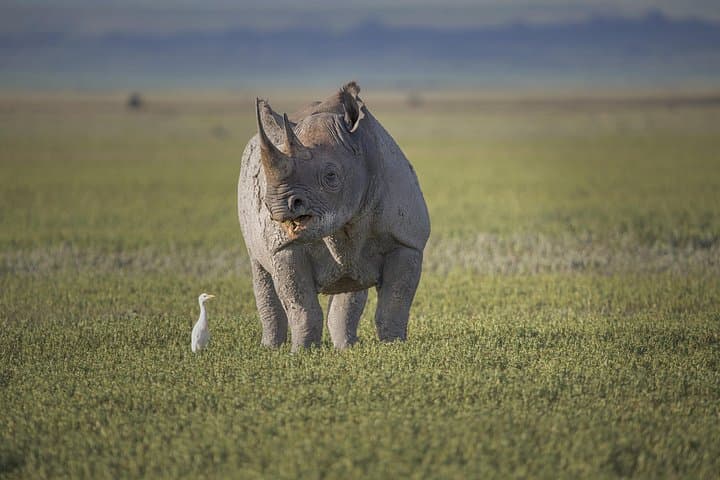
Descend into Ngorongoro’s massive volcanic caldera for a full day of guided game drives where high concentrations of wildlife—including a small population of black rhino—congregate. This one-day shared safari pairs big vistas with practical planning for a compact but wildlife-rich experience.
Descend into Ngorongoro’s massive volcanic caldera for a full day of guided game drives where high concentrations of wildlife—including a small population of black rhino—congregate. This one-day shared safari pairs big vistas with practical planning for a compact but wildlife-rich experience.
Before the first light lifts off the Rift Valley, a diesel van hums toward the crater rim and the road opens into a panorama that demands attention. Travelers stand at the lip of Ngorongoro Crater and look down into a bowl where grasslands, shimmering soda lakes and scattered acacia form a living map of East Africa’s wildlife.
Verified experiences and guided adventures in the surrounding area.
Operated by VISION SAFARI & TOURS · Karatu, Arusha Region
Before the first light lifts off the Rift Valley, a diesel van hums toward the crater rim and the road opens into a panorama that demands attention. Travelers stand at the lip of Ngorongoro Crater and look down into a bowl where grasslands, shimmering soda lakes and scattered acacia form a living map of East Africa’s wildlife.
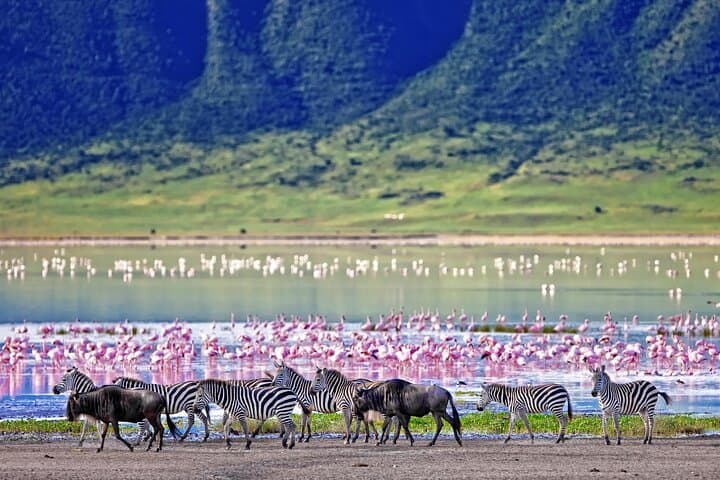
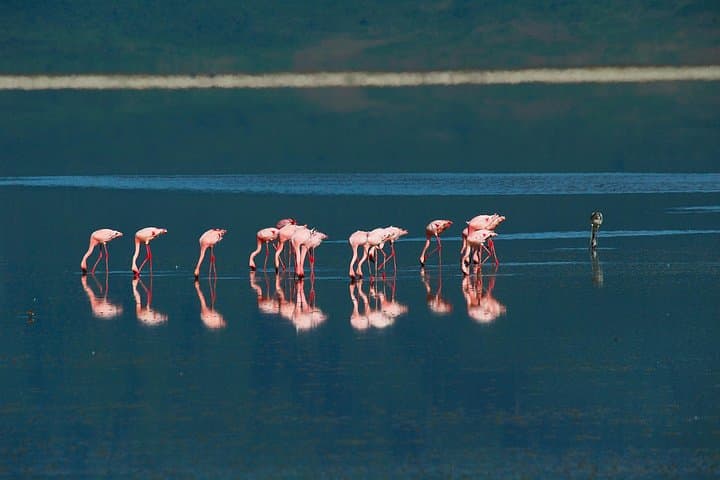
This intact volcanic caldera—created when a giant volcano collapsed two to three million years ago—holds an ecosystem unlike any other. The crater floor’s shallow soils and permanent water support a high density of grazers and predators; flamingos collect on Lake Magadi while a small population of endangered black rhinos finds refuge in protected pockets. Cultural threads are close at hand too: Maasai pastoralists move along the conservation boundary, their land-use practices historically negotiated with park managers to allow coexistence.
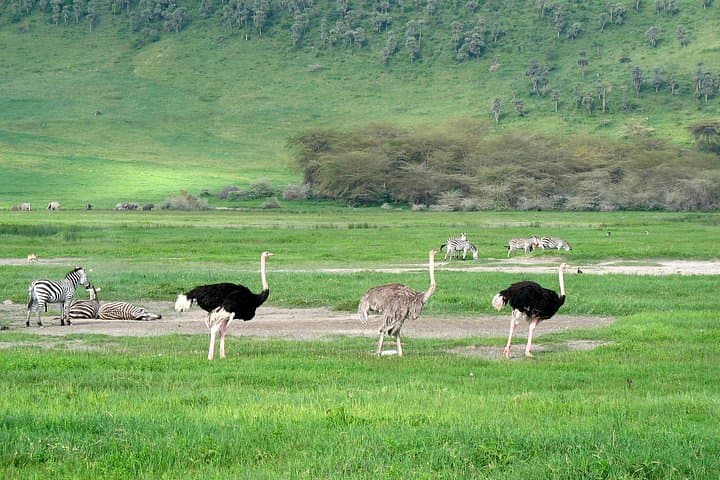
Expect a day composed of long driving transfers from Arusha, timed game drives on the crater floor and a picnic or lodge lunch. Wildlife viewing is vehicle-based; sightings vary with season and time of day, but the diversity—lion, buffalo, elephant, wildebeest, zebra and birdlife—is reliably high. Guides read tracks, shade lines and waterholes to place you where animals gather.
Practical note: start early, bring layered clothing for cool rim mornings and hot crater afternoons, and carry water and sun protection. Park entry and conservation fees are required and included if booked; abide by distance rules around wildlife and any Maasai community encounters. The day is compact but intense: plan for 6–8 hours of active looking, photography and short walks, then the drive back over the rim as the sun softens the plains.
easy.
6–8 hours.
Suitable for most fitness levels; mostly seated game drives with occasional short walks.
The tarmac drive is roughly 3–4 hours (about 190 km) each way depending on traffic and pickup point, making a full-day schedule of 6–8 hours on-site typical.
Ngorongoro supports all Big Five species; sightings depend on luck and time, but lions, elephant and buffalo are common while black rhino and leopard are rarer and not guaranteed.
This operator indicates park fees and taxes are included in the booking; confirm details on your voucher and bring ID for gate checks.
The tour notes infants must sit on laps and the activity level is easy, but long drives can be tiring—plan accordingly for comfort breaks and sun protection.
Ngorongoro’s caldera formed when a massive volcanic mountain collapsed millions of years ago; the basin’s fertile soils and permanent water have supported people and wildlife for millennia.
The area is a multi-use conservation zone where wildlife protection is balanced with Maasai grazing rights; visitors should minimize disturbance and follow guide instructions to reduce impact.
VISION SAFARI & TOURS operates guided outdoor trips and adventures with an emphasis on safety, stewardship, and memorable experiences.
Before the first light lifts off the Rift Valley, a diesel van hums toward the crater rim and the road opens into a panorama that demands attention. Travelers stand at the lip of Ngorongoro Crater and look down into a bowl where grasslands, shimmering soda lakes and scattered acacia form a living map of East Africa’s wildlife.
Before the first light lifts off the Rift Valley, a diesel van hums toward the crater rim and the road opens into a panorama that demands attention. Travelers stand at the lip of Ngorongoro Crater and look down into a bowl where grasslands, shimmering soda lakes and scattered acacia form a living map of East Africa’s wildlife.
This intact volcanic caldera—created when a giant volcano collapsed two to three million years ago—holds an ecosystem unlike any other. The crater floor’s shallow soils and permanent water support a high density of grazers and predators; flamingos collect on Lake Magadi while a small population of endangered black rhinos finds refuge in protected pockets. Cultural threads are close at hand too: Maasai pastoralists move along the conservation boundary, their land-use practices historically negotiated with park managers to allow coexistence.
Expect a day composed of long driving transfers from Arusha, timed game drives on the crater floor and a picnic or lodge lunch. Wildlife viewing is vehicle-based; sightings vary with season and time of day, but the diversity—lion, buffalo, elephant, wildebeest, zebra and birdlife—is reliably high. Guides read tracks, shade lines and waterholes to place you where animals gather.
Practical note: start early, bring layered clothing for cool rim mornings and hot crater afternoons, and carry water and sun protection. Park entry and conservation fees are required and included if booked; abide by distance rules around wildlife and any Maasai community encounters. The day is compact but intense: plan for 6–8 hours of active looking, photography and short walks, then the drive back over the rim as the sun softens the plains.