THE ADVENTURE COLLECTIVE® · Independent discovery and booking for outdoor travel

Spend a full day inside the world’s largest intact caldera on a guided 4x4 game drive. Early departure from Arusha leads to crater-floor sightings of flamingos, lions, and grazing herds, all framed by towering volcanic walls.
Spend a full day inside the world’s largest intact caldera on a guided 4x4 game drive. Early departure from Arusha leads to crater-floor sightings of flamingos, lions, and grazing herds, all framed by towering volcanic walls.
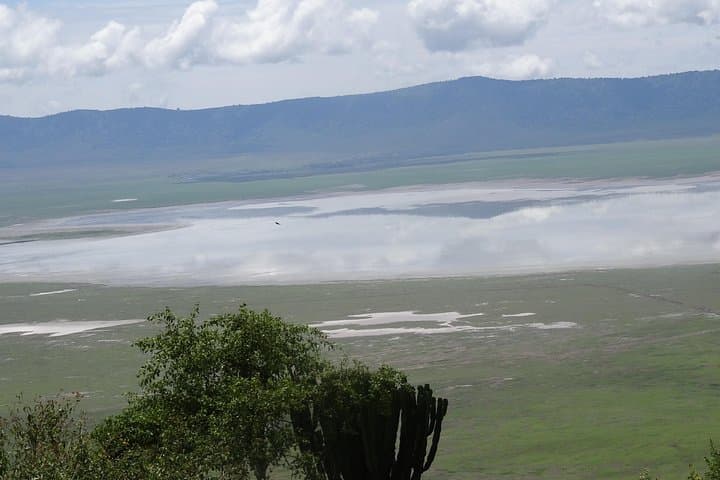
You leave Arusha before dawn, headlights cutting through highland air as the road climbs toward the Ngorongoro Conservation Area. By midmorning the crater rim appears: a vast bowl of layered rock and green floor, the landf orm falling away beneath the jeep. The engine quiets; the wildlife begins.
Verified experiences and guided adventures in the surrounding area.
Operated by Migada Adventures Tours and Safaris Co Ltd · Ngorongoro, Arusha Region
You leave Arusha before dawn, headlights cutting through highland air as the road climbs toward the Ngorongoro Conservation Area. By midmorning the crater rim appears: a vast bowl of layered rock and green floor, the landf orm falling away beneath the jeep. The engine quiets; the wildlife begins.
Geology here is blunt and ancient — the crater is the largest unbroken caldera in the Eastern Rift, a collapsed volcano whose walls hold a self-contained ecosystem. Lake Magadi sleeps low and alkaline at the center, fringed by flocks of lesser flamingos that feed on blue-green algae. The Maasai have grazed the rim for generations; their presence and livestock are part of the conservation mosaic that sets Ngorongoro apart from fenced national parks.
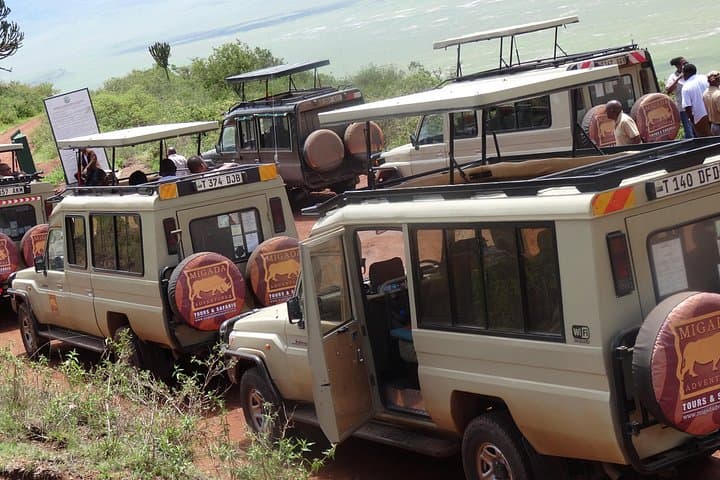
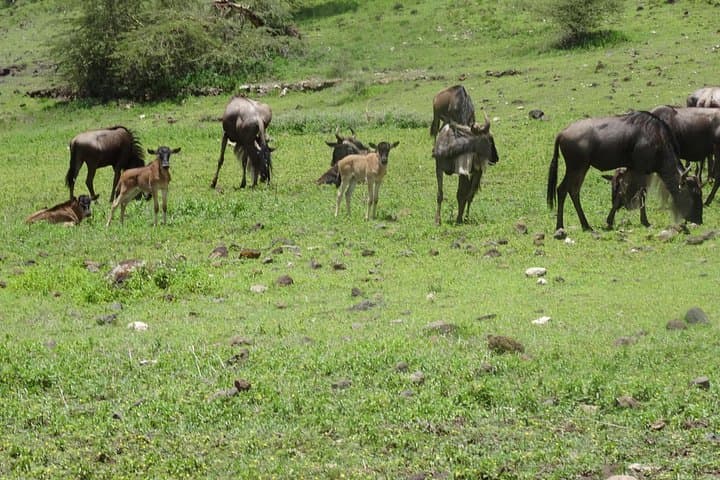
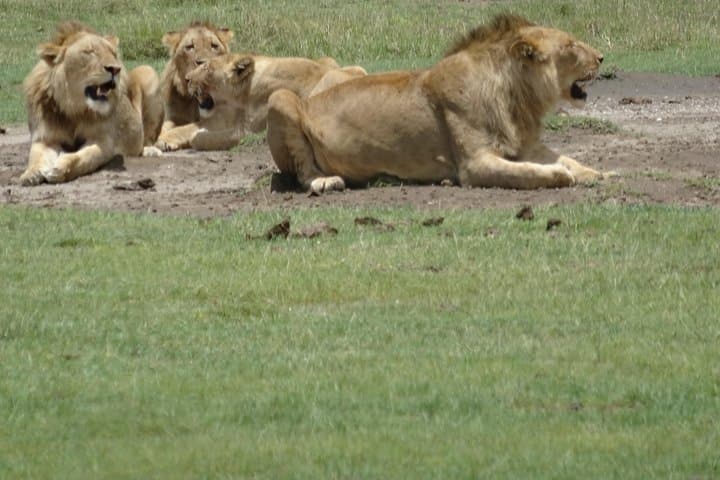
Expect close-range game viewing: lions, zebra herds, wildebeest, hyena clans and, if luck is on your side, the critically endangered black rhino. Roads are tracked 4x4 trails and the best sightings happen in the crater’s shallow valleys and the Lerai forest.
Practical guidance: this is an all-day outing with a long drive (plan 3.5–4 hours each way from Arusha), early departure and variable weather — warm on the floor, crisp on the rim. Bring layered clothing, binoculars, sunscreen and motion-sickness remedies; park fees and lunch boxes are typically included. Vehicles are 4WD; be prepared for bumpy roads and occasional delays at gate processing. Respect park rules: stay in the vehicle where required, keep distance from wildlife, and follow your guide’s instructions for ethical viewing and safety.
moderate.
10–12 hours (door-to-door).
Moderate fitness—able to sit for long periods, climb in/out of a jeep, and walk short uneven trails for viewing.
Most day tours include all park entrance fees and a packed lunch; confirm at booking and keep your voucher accessible.
Expect approximately 3.5–4 hours to the crater gate depending on traffic and stops; the full trip is a long day.
Infants are usually allowed but must sit on an adult’s lap; operators often advise young children on safety and comfort during long drives.
Basic picnic areas and pit latrines exist at designated stops; amenities are limited—carry essentials and dispose of waste as instructed.
Ngorongoro Conservation Area was established in 1959 and later recognized by UNESCO; the region balances wildlife protection with Maasai pastoralism that predates colonial borders.
Strict park rules protect the crater’s fragile ecology—stay on designated routes, avoid disturbing animals, and support operators who follow NCAA regulations.
Migada Adventures Tours and Safaris Co Ltd operates guided outdoor trips and adventures with an emphasis on safety, stewardship, and memorable experiences.
You leave Arusha before dawn, headlights cutting through highland air as the road climbs toward the Ngorongoro Conservation Area. By midmorning the crater rim appears: a vast bowl of layered rock and green floor, the landf orm falling away beneath the jeep. The engine quiets; the wildlife begins.
You leave Arusha before dawn, headlights cutting through highland air as the road climbs toward the Ngorongoro Conservation Area. By midmorning the crater rim appears: a vast bowl of layered rock and green floor, the landf orm falling away beneath the jeep. The engine quiets; the wildlife begins.
Geology here is blunt and ancient — the crater is the largest unbroken caldera in the Eastern Rift, a collapsed volcano whose walls hold a self-contained ecosystem. Lake Magadi sleeps low and alkaline at the center, fringed by flocks of lesser flamingos that feed on blue-green algae. The Maasai have grazed the rim for generations; their presence and livestock are part of the conservation mosaic that sets Ngorongoro apart from fenced national parks.
Expect close-range game viewing: lions, zebra herds, wildebeest, hyena clans and, if luck is on your side, the critically endangered black rhino. Roads are tracked 4x4 trails and the best sightings happen in the crater’s shallow valleys and the Lerai forest.
Practical guidance: this is an all-day outing with a long drive (plan 3.5–4 hours each way from Arusha), early departure and variable weather — warm on the floor, crisp on the rim. Bring layered clothing, binoculars, sunscreen and motion-sickness remedies; park fees and lunch boxes are typically included. Vehicles are 4WD; be prepared for bumpy roads and occasional delays at gate processing. Respect park rules: stay in the vehicle where required, keep distance from wildlife, and follow your guide’s instructions for ethical viewing and safety.