THE ADVENTURE COLLECTIVE® · Independent discovery and booking for outdoor travel

Spend a day inside one of the world’s largest intact calderas—game drives across a unique crater floor where rhino, lion, elephant and flamingo gather. This practical guide shows what to expect, how to prepare, and when to go.
Spend a day inside one of the world’s largest intact calderas—game drives across a unique crater floor where rhino, lion, elephant and flamingo gather. This practical guide shows what to expect, how to prepare, and when to go.
A low sun spills over the crater rim as a diesel land cruiser eases toward the Ngorongoro floor. You stand at the lip—wind pulling at a scarf, the bowl below opening like an inland sea of acacia and plains—and the first giraffes pick their way across a patchwork of green and soda lake pink.
Verified experiences and guided adventures in the surrounding area.
Operated by Great Image Expedition Ltd · Arusha, Arusha Region
A low sun spills over the crater rim as a diesel land cruiser eases toward the Ngorongoro floor. You stand at the lip—wind pulling at a scarf, the bowl below opening like an inland sea of acacia and plains—and the first giraffes pick their way across a patchwork of green and soda lake pink.
The Ngorongoro Conservation Area is a collapsed volcanic caldera, roughly 600–700 meters deep, formed from an ancient eruption and now protected as a UNESCO World Heritage Site. Maasai pastoralists share the highlands with wildlife; the crater’s geology traps water and life, creating one of Africa’s densest concentrations of big mammals. Lake Magadi’s alkaline edge draws flocks of flamingos while the crater floor’s forest pockets hide elephants and, more rarely, black rhinos.
This full-day trip departs Arusha early (typical pickup before 06:00), follows ~190 km of mostly tarmac, pauses at the rim for the first view, then descends for multiple game drives across relatively flat, wildlife-rich terrain. Expect bumpy tracks, long lenses to fill, and a picnic or lodge lunch mid-day. Wildlife encounters are variable—sighting quality improves in the dry season when animals concentrate around water.
Practical planning: bring layers for chilly mornings and warmer afternoons, sun protection, binoculars, and a charged camera battery. Be prepared for several hours in a vehicle, short walks at viewpoints, and strict park rules—stay inside the vehicle during drives and follow guide instructions. Confirm whether park fees are included in your booking and allow time for the 3–4 hour return drive to Arusha.
easy.
10–12 hours.
Suitable for most fitness levels; requires getting in/out of a safari vehicle and short walks at viewpoints.
The drive is about 190 km and typically takes 3–4 hours each way on mostly tarmac roads, depending on traffic and stops.
Some operators include park fees and conservation levies; confirm at booking—if not included, fees are payable at the gate or collected by the operator in advance.
Ngorongoro hosts the Big Five, but sightings are not guaranteed; elephants and buffalo are common, lions frequent the plains, while rhino and leopard sightings are less predictable.
The tour is vehicle-based and rated physically easy, but uneven terrain and long days can be challenging—check accessibility details and discuss special needs with the operator.
Ngorongoro is a volcanic caldera with human history that includes Maasai pastoralism; it’s managed as a conservation area and UNESCO World Heritage Site.
Tourism revenues help fund conservation and community projects; visitors should minimize disturbance by staying in vehicles, avoiding litter, and booking reputable guides.
Great Image Expedition Ltd operates guided outdoor trips and adventures with an emphasis on safety, stewardship, and memorable experiences.
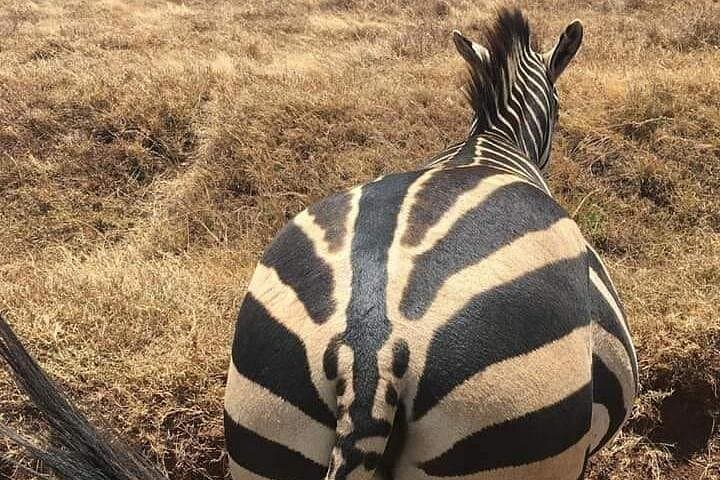
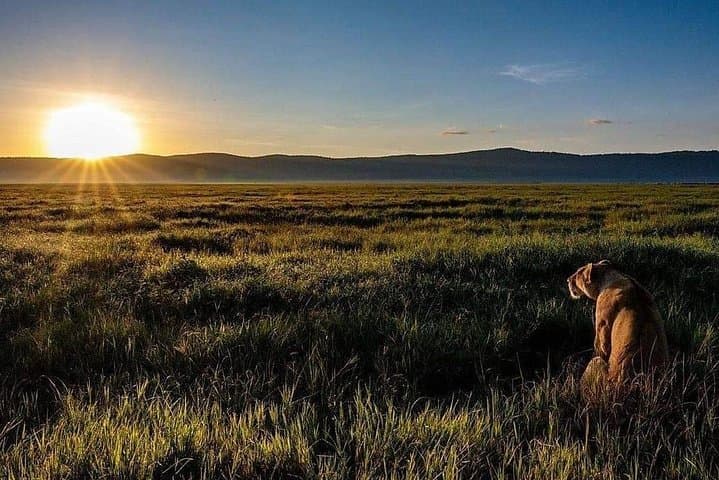
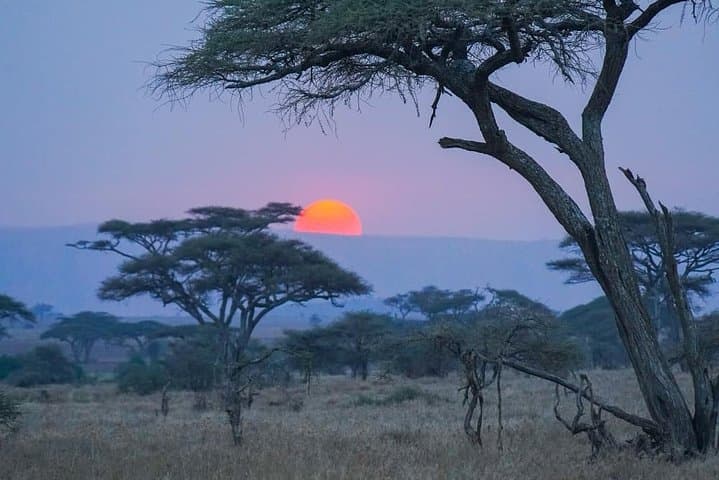
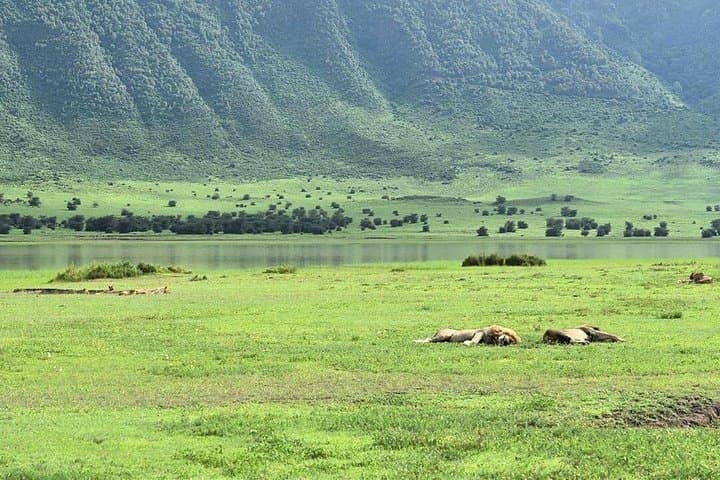
A low sun spills over the crater rim as a diesel land cruiser eases toward the Ngorongoro floor. You stand at the lip—wind pulling at a scarf, the bowl below opening like an inland sea of acacia and plains—and the first giraffes pick their way across a patchwork of green and soda lake pink.
A low sun spills over the crater rim as a diesel land cruiser eases toward the Ngorongoro floor. You stand at the lip—wind pulling at a scarf, the bowl below opening like an inland sea of acacia and plains—and the first giraffes pick their way across a patchwork of green and soda lake pink.
The Ngorongoro Conservation Area is a collapsed volcanic caldera, roughly 600–700 meters deep, formed from an ancient eruption and now protected as a UNESCO World Heritage Site. Maasai pastoralists share the highlands with wildlife; the crater’s geology traps water and life, creating one of Africa’s densest concentrations of big mammals. Lake Magadi’s alkaline edge draws flocks of flamingos while the crater floor’s forest pockets hide elephants and, more rarely, black rhinos.
This full-day trip departs Arusha early (typical pickup before 06:00), follows ~190 km of mostly tarmac, pauses at the rim for the first view, then descends for multiple game drives across relatively flat, wildlife-rich terrain. Expect bumpy tracks, long lenses to fill, and a picnic or lodge lunch mid-day. Wildlife encounters are variable—sighting quality improves in the dry season when animals concentrate around water.
Practical planning: bring layers for chilly mornings and warmer afternoons, sun protection, binoculars, and a charged camera battery. Be prepared for several hours in a vehicle, short walks at viewpoints, and strict park rules—stay inside the vehicle during drives and follow guide instructions. Confirm whether park fees are included in your booking and allow time for the 3–4 hour return drive to Arusha.