THE ADVENTURE COLLECTIVE® · Independent discovery and booking for outdoor travel

Descend from Moshi into the vast bowl of Ngorongoro Crater for a full-day game drive and picnic by hippo pools. Expect intense wildlife viewing—rhino, lions, flamingos—and a long but rewarding day of geology and Maasai culture.
Descend from Moshi into the vast bowl of Ngorongoro Crater for a full-day game drive and picnic by hippo pools. Expect intense wildlife viewing—rhino, lions, flamingos—and a long but rewarding day of geology and Maasai culture.
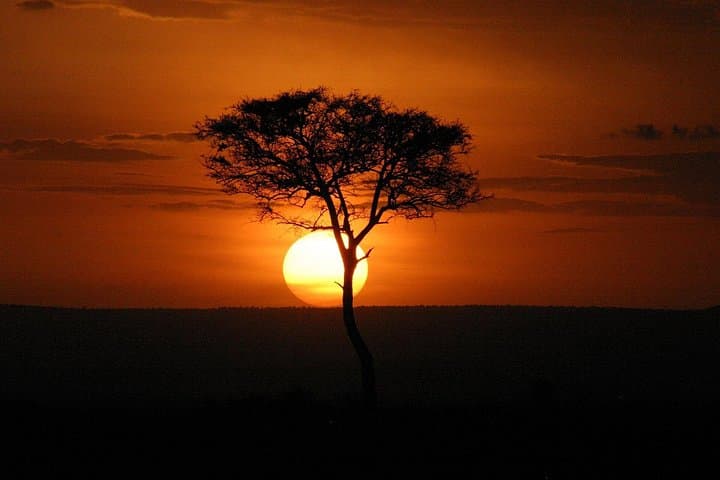
Morning light slices the rim as you leave Moshi before dawn and head west: highland farmland gives way to acacia-scattered plains and, finally, the bowl of the Ngorongoro Crater opening like a grand amphitheater. The road drops and the engine hum quiets; the crater floor stretches below, a living stage where hippo pools steam and flamingos color the shallows.
Verified experiences and guided adventures in the surrounding area.
Operated by Afrishare Trekking and Safaris · Moshi, Arusha Region
Morning light slices the rim as you leave Moshi before dawn and head west: highland farmland gives way to acacia-scattered plains and, finally, the bowl of the Ngorongoro Crater opening like a grand amphitheater. The road drops and the engine hum quiets; the crater floor stretches below, a living stage where hippo pools steam and flamingos color the shallows.
Geology here is immediate—an ancient volcano collapsed to form a 260 sq km caldera with walls up to 600 metres high—creating a self-contained ecosystem. Maasai presence around the conservation area adds human rhythm: cattle graze on the slopes, and local guides mix natural history with oral knowledge of predator movements.
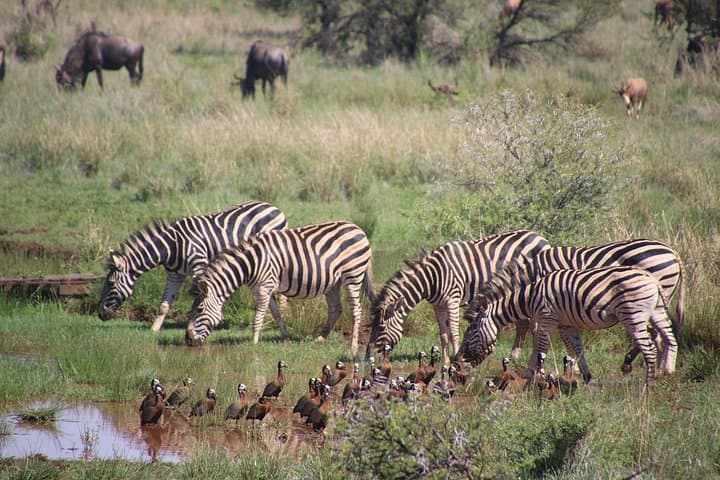
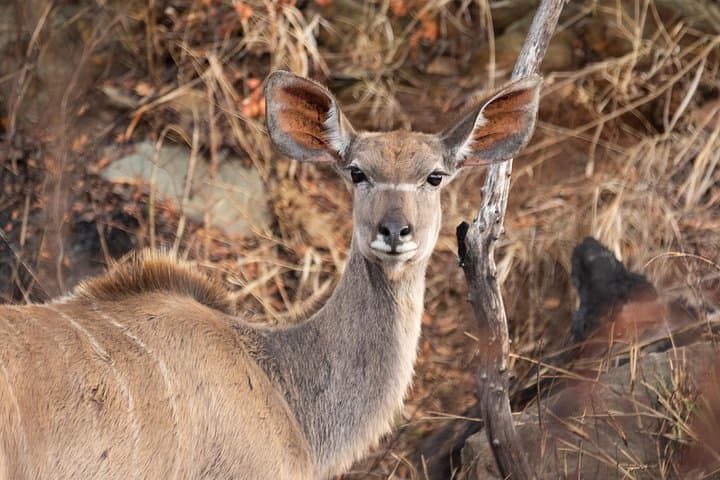
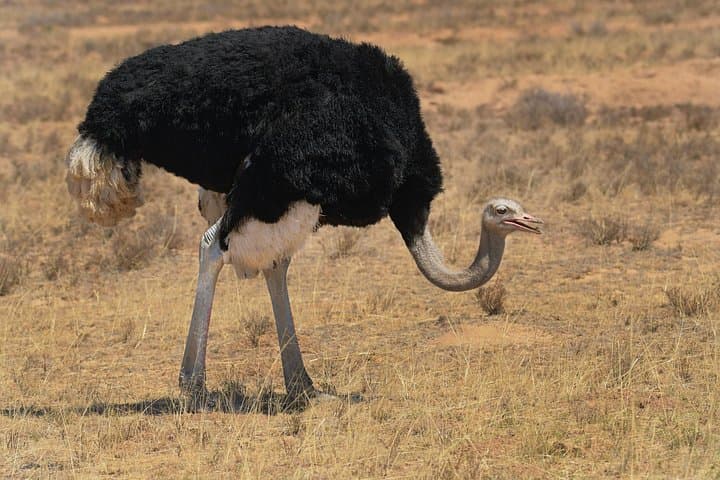
Wildlife concentrations are unusually high: black rhino have a rare refuge on the crater floor, lions patrol the plains, and flocks of waterbirds turn shallow lakes pink. The crater’s patchwork of grassland, swamp, and forest supports both game and smaller mammals, making each drive unpredictable and rich.
Practical side: expect a long day—early pickup from Moshi, roughly 3–4 hours round driving, and several hours of game viewing inside the crater. Vehicles are high-clearance 4x4s; most of the time is seated, but you’ll step out for picnic lunch near a hippo pool. Pack sun protection, layered clothing for fluctuating temperatures, binoculars, and a charged camera. Be ready for dust and short walking stretches; accessibility is limited once you descend.
Timing your visit for morning light improves sightings and photography. Respect local rules: stay in the vehicle where required, keep noise low, and avoid approaching wildlife. The crater is dramatic, immediate, and unruly—the landscape will push your attention outward, toward the animals and the geology that shaped them.
easy.
10–12 hours.
Suitable for most fitness levels—mostly vehicle-based with occasional short walks; able-bodied for brief uneven terrain exits is helpful.
Expect about 3–4 hours each way by road depending on traffic and exact pickup location; the full day runs roughly 10–12 hours.
Ngorongoro offers strong chances for many members of the Big Five, including black rhino and lion, but sightings are never guaranteed.
Yes—game drives are vehicle-based and the tour notes 'physical easy'; however, short uneven steps and long travel days mean assess mobility and stamina beforehand.
The tour includes bottled water and a packed lunch (picnic by a hippo pool); notify operators of dietary needs when booking.
Ngorongoro formed when a large volcano collapsed two to three million years ago; the area has long been inhabited by Maasai pastoralists who continue traditional grazing practices around the conservation boundary.
Conservation here balances tourism with Maasai land use and species protection—stay on designated routes and follow guide instructions to minimize disturbance.
Afrishare Trekking and Safaris operates guided outdoor trips and adventures with an emphasis on safety, stewardship, and memorable experiences.
Morning light slices the rim as you leave Moshi before dawn and head west: highland farmland gives way to acacia-scattered plains and, finally, the bowl of the Ngorongoro Crater opening like a grand amphitheater. The road drops and the engine hum quiets; the crater floor stretches below, a living stage where hippo pools steam and flamingos color the shallows.
Morning light slices the rim as you leave Moshi before dawn and head west: highland farmland gives way to acacia-scattered plains and, finally, the bowl of the Ngorongoro Crater opening like a grand amphitheater. The road drops and the engine hum quiets; the crater floor stretches below, a living stage where hippo pools steam and flamingos color the shallows.
Geology here is immediate—an ancient volcano collapsed to form a 260 sq km caldera with walls up to 600 metres high—creating a self-contained ecosystem. Maasai presence around the conservation area adds human rhythm: cattle graze on the slopes, and local guides mix natural history with oral knowledge of predator movements.
Wildlife concentrations are unusually high: black rhino have a rare refuge on the crater floor, lions patrol the plains, and flocks of waterbirds turn shallow lakes pink. The crater’s patchwork of grassland, swamp, and forest supports both game and smaller mammals, making each drive unpredictable and rich.
Practical side: expect a long day—early pickup from Moshi, roughly 3–4 hours round driving, and several hours of game viewing inside the crater. Vehicles are high-clearance 4x4s; most of the time is seated, but you’ll step out for picnic lunch near a hippo pool. Pack sun protection, layered clothing for fluctuating temperatures, binoculars, and a charged camera. Be ready for dust and short walking stretches; accessibility is limited once you descend.
Timing your visit for morning light improves sightings and photography. Respect local rules: stay in the vehicle where required, keep noise low, and avoid approaching wildlife. The crater is dramatic, immediate, and unruly—the landscape will push your attention outward, toward the animals and the geology that shaped them.