THE ADVENTURE COLLECTIVE® · Independent discovery and booking for outdoor travel

Descend from Arusha into the vast Ngorongoro Crater for a full-day safari: six hours of guided game viewing on the caldera floor, a lakeside picnic, and a chance to see black rhino, hippos and large prides of lion. Practical, guided, and steeped in natural history.
Descend from Arusha into the vast Ngorongoro Crater for a full-day safari: six hours of guided game viewing on the caldera floor, a lakeside picnic, and a chance to see black rhino, hippos and large prides of lion. Practical, guided, and steeped in natural history.
Dawn breaks on the drive from Arusha and the road climbs toward the high rim; clouds cling to the crater edge like a slow-moving tide. Vehicles lower into the bowl and the landscape opens — grassland giving way to marsh, hippo pools, and stands of tall acacia in Lerai Forest. On a clear day the crater floor feels like its own world, animals moving deliberately across a sheltered plain while the rim watches over them.
Verified experiences and guided adventures in the surrounding area.
Operated by Greg Adventures · Karatu, Arusha Region
Dawn breaks on the drive from Arusha and the road climbs toward the high rim; clouds cling to the crater edge like a slow-moving tide. Vehicles lower into the bowl and the landscape opens — grassland giving way to marsh, hippo pools, and stands of tall acacia in Lerai Forest. On a clear day the crater floor feels like its own world, animals moving deliberately across a sheltered plain while the rim watches over them.
The Ngorongoro Crater is the world’s largest intact volcanic caldera, formed when a giant volcano collapsed roughly 2–3 million years ago. The crater measures roughly 15–20 km across with a floor about 600 m below the rim; elevations on the rim sit near 2,200–2,400 m while the floor averages ~1,800–1,900 m. The Maasai graze livestock along the conservation-area margins, and the site’s UNESCO status reflects both its wildlife density and cultural significance.
This full-day safari typically starts with a 6:00 a.m. pick-up in Arusha, a scenic drive to the rim, and a guided 6-hour game drive on the crater floor. Expect 4x4 Land Cruisers with pop-up roofs, park fees and lunch included, and binoculars supplied. Wildlife commonly seen includes lions, elephants, buffalo, hippos and, with luck, black rhino.
Practical notes: wear layers for chilly mornings and warmer midday sun, carry extra water and camera gear, and be prepared for bumpy roads and long stretches in the vehicle. Guides manage routes to maximize sightings while following strict park rules—keep windows closed when predators are near and avoid approaching animals on foot.
easy.
10–12 hours.
Suitable for most fitness levels—day involves long vehicle time and short walks on uneven ground
Yes—this excursion includes all national park entrance and conservation fees as well as the picnic lunch, per the itinerary.
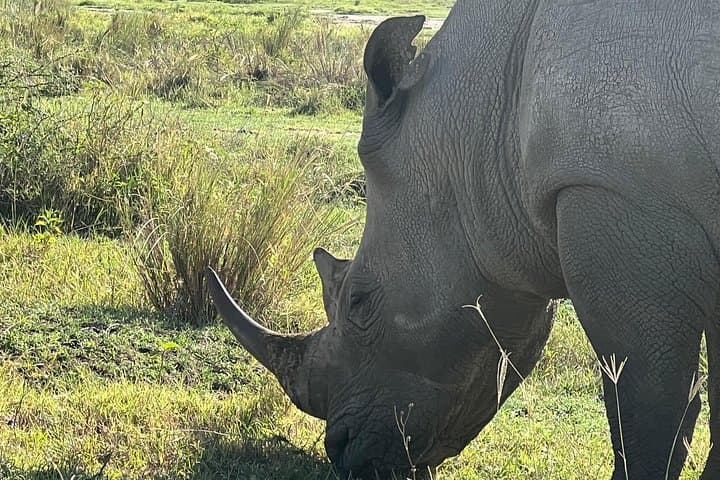
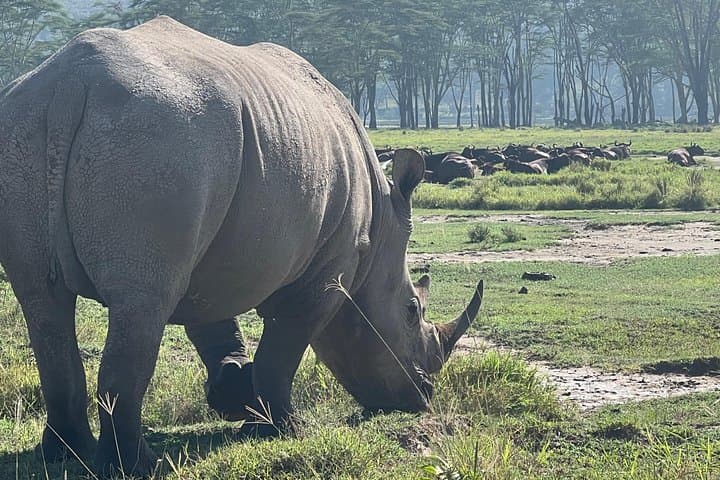
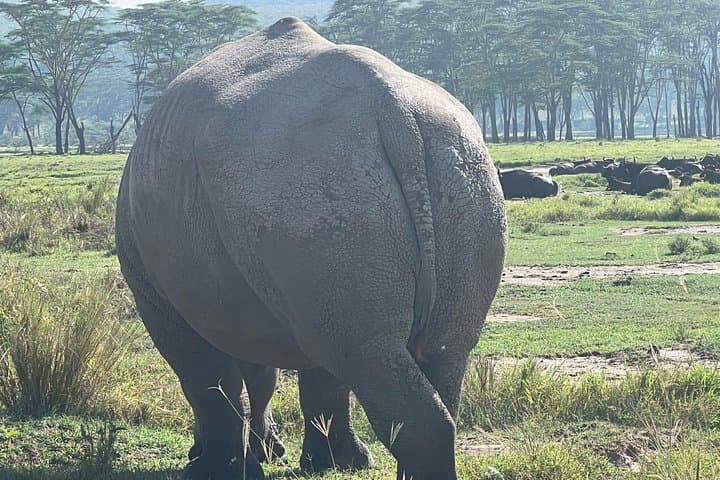
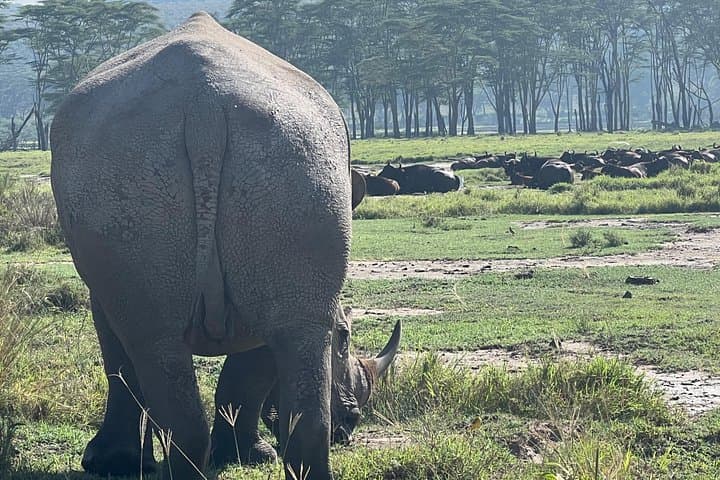
Black rhinos are present but rare; sightings are possible but not guaranteed—guides will visit known rhino areas when conditions allow.
The trip is family-friendly and the vehicle is wheelchair-accessible according to the provider, but expect long vehicle periods and limited walking; not recommended for pregnant travelers or people with serious heart/spinal conditions.
The guided game drive on the crater floor runs about six hours within a full-day schedule that includes transfer time to and from Arusha.
Ngorongoro Conservation Area blends wildlife protection with Maasai pastoral lands; the crater’s unique formation and long human history contributed to its UNESCO designation.
Tourism revenue supports conservation and Maasai communities, but visitors should minimize disturbance—stay in vehicles, avoid littering, and follow guide instructions.
Greg Adventures operates guided outdoor trips and adventures with an emphasis on safety, stewardship, and memorable experiences.
Dawn breaks on the drive from Arusha and the road climbs toward the high rim; clouds cling to the crater edge like a slow-moving tide. Vehicles lower into the bowl and the landscape opens — grassland giving way to marsh, hippo pools, and stands of tall acacia in Lerai Forest. On a clear day the crater floor feels like its own world, animals moving deliberately across a sheltered plain while the rim watches over them.
Dawn breaks on the drive from Arusha and the road climbs toward the high rim; clouds cling to the crater edge like a slow-moving tide. Vehicles lower into the bowl and the landscape opens — grassland giving way to marsh, hippo pools, and stands of tall acacia in Lerai Forest. On a clear day the crater floor feels like its own world, animals moving deliberately across a sheltered plain while the rim watches over them.
The Ngorongoro Crater is the world’s largest intact volcanic caldera, formed when a giant volcano collapsed roughly 2–3 million years ago. The crater measures roughly 15–20 km across with a floor about 600 m below the rim; elevations on the rim sit near 2,200–2,400 m while the floor averages ~1,800–1,900 m. The Maasai graze livestock along the conservation-area margins, and the site’s UNESCO status reflects both its wildlife density and cultural significance.
This full-day safari typically starts with a 6:00 a.m. pick-up in Arusha, a scenic drive to the rim, and a guided 6-hour game drive on the crater floor. Expect 4x4 Land Cruisers with pop-up roofs, park fees and lunch included, and binoculars supplied. Wildlife commonly seen includes lions, elephants, buffalo, hippos and, with luck, black rhino.
Practical notes: wear layers for chilly mornings and warmer midday sun, carry extra water and camera gear, and be prepared for bumpy roads and long stretches in the vehicle. Guides manage routes to maximize sightings while following strict park rules—keep windows closed when predators are near and avoid approaching animals on foot.