THE ADVENTURE COLLECTIVE® · Independent discovery and booking for outdoor travel

Spend a full day descending into Ngorongoro Crater from Arusha to see dense wildlife populations—including the Big Five—across a dramatic volcanic caldera. This guided 9‑hour safari combines expert local guiding, a picnic by the hippo pool, and multiple game drives.
Spend a full day descending into Ngorongoro Crater from Arusha to see dense wildlife populations—including the Big Five—across a dramatic volcanic caldera. This guided 9‑hour safari combines expert local guiding, a picnic by the hippo pool, and multiple game drives.
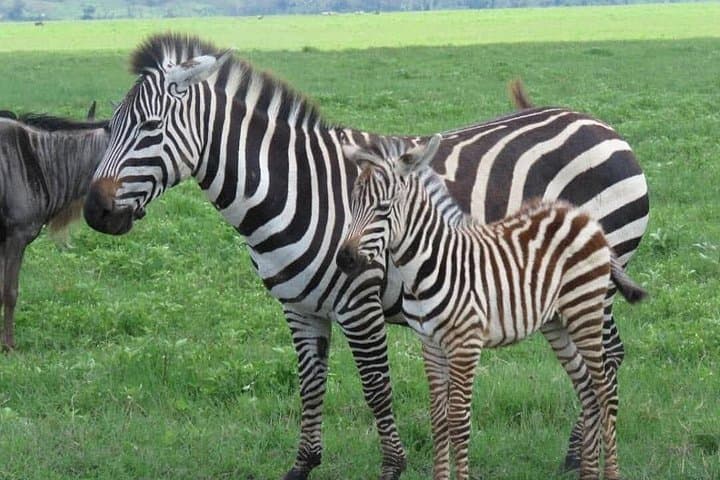
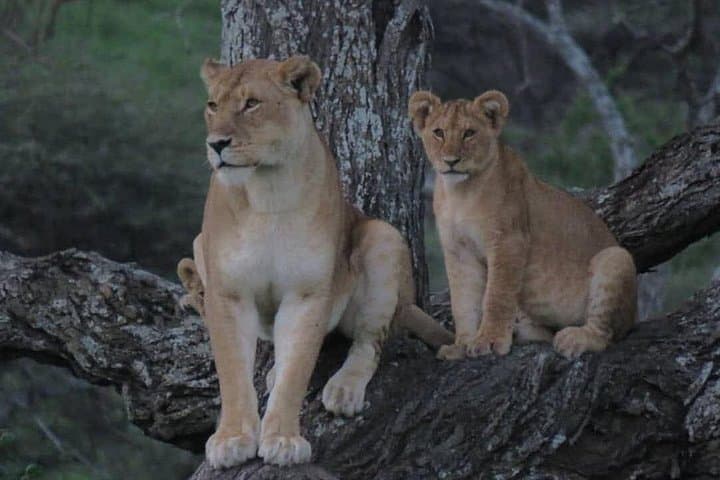
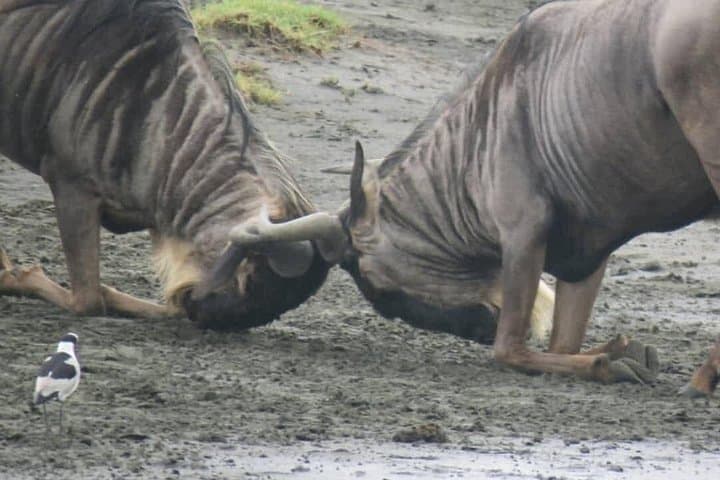
You step into the day before dawn: Arusha’s silhouette fades as the 4x4 climbs into cool highland air. By the time the rim opens up, the crater floor drops away in a broad, green bowl—600 meters below—where herds move like a slow current and distant lions press their silhouettes against acacia shade.
Verified experiences and guided adventures in the surrounding area.
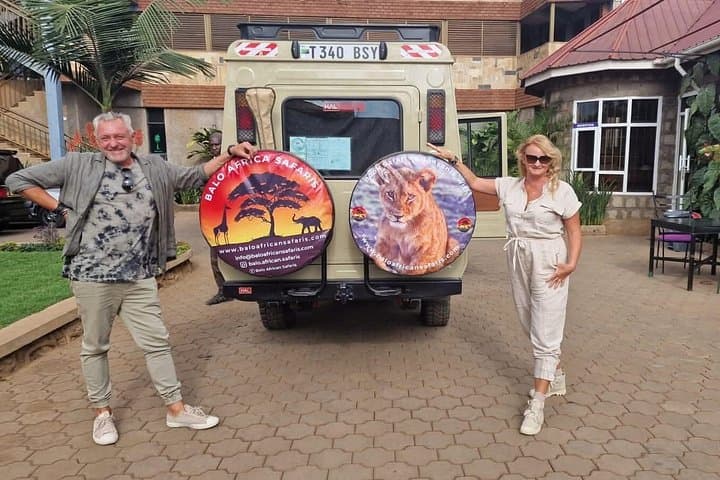
Operated by Balo African Safaris · Ngorongoro Conservation Area, Arusha Region
You step into the day before dawn: Arusha’s silhouette fades as the 4x4 climbs into cool highland air. By the time the rim opens up, the crater floor drops away in a broad, green bowl—600 meters below—where herds move like a slow current and distant lions press their silhouettes against acacia shade.
Ngorongoro is the collapsed caldera of an ancient volcano, one of the largest intact calderas in the world and a UNESCO World Heritage Site. Its geology—steep rim walls, a grassy interior dotted with lakes and swamps—has created a rare, contained ecosystem. Maasai pastoralists have long grazed the higher slopes; inside the conservation area, wildlife and people share a landscape shaped by fire, rain, and migration.
Practicalities shape the day: expect a nine-hour excursion with hotel pickup in Arusha, a descent to the crater floor, multiple game drives, and a picnic by the hippo pool. Vehicles have pop-up roofs for photography; guides handle routing, permits and conservation fees. Bring sun protection, a warm layer for rim winds, binoculars, and a reusable water bottle—you’ll be seated a lot but may step out for short walks at safe, designated points.
Timing matters: mornings and late afternoons concentrate predator activity and softer light for photos. Maintain distance, follow your guide’s instructions, and pack out waste. The crater’s plains will test your patience and reward it with close encounters—elephants moving like deliberate machines, flamingos painting shallow lakes, and, with luck, the rare black rhino grazing in plain sight.
moderate.
9 hours.
Suitable for most fitness levels; requires tolerance for long vehicle rides and short, uneven walks.
The drive typically takes about 3–4 hours each way depending on traffic, road conditions and stops along the route.
Ngorongoro has high wildlife density and visitors often see most of the Big Five, but sightings cannot be guaranteed—black rhino sightings are rarer.
Most day safaris include picnic lunch and Ngorongoro Conservation Area entrance fees; confirm inclusions at booking time.
Yes—it's suitable for a broad range of ages, though the long day and vehicle rides should be considered; inform the operator of mobility needs.
Ngorongoro formed when a large volcano erupted and collapsed around 2–3 million years ago; the area supports long-standing Maasai grazing traditions alongside protected wildlife.
The Ngorongoro Conservation Area balances human pastoralism and wildlife protection; visitors should minimize waste, avoid wildlife disturbance, and support official fees that fund conservation.
Balo African Safaris operates guided outdoor trips and adventures with an emphasis on safety, stewardship, and memorable experiences.
You step into the day before dawn: Arusha’s silhouette fades as the 4x4 climbs into cool highland air. By the time the rim opens up, the crater floor drops away in a broad, green bowl—600 meters below—where herds move like a slow current and distant lions press their silhouettes against acacia shade.
You step into the day before dawn: Arusha’s silhouette fades as the 4x4 climbs into cool highland air. By the time the rim opens up, the crater floor drops away in a broad, green bowl—600 meters below—where herds move like a slow current and distant lions press their silhouettes against acacia shade.
Ngorongoro is the collapsed caldera of an ancient volcano, one of the largest intact calderas in the world and a UNESCO World Heritage Site. Its geology—steep rim walls, a grassy interior dotted with lakes and swamps—has created a rare, contained ecosystem. Maasai pastoralists have long grazed the higher slopes; inside the conservation area, wildlife and people share a landscape shaped by fire, rain, and migration.
Practicalities shape the day: expect a nine-hour excursion with hotel pickup in Arusha, a descent to the crater floor, multiple game drives, and a picnic by the hippo pool. Vehicles have pop-up roofs for photography; guides handle routing, permits and conservation fees. Bring sun protection, a warm layer for rim winds, binoculars, and a reusable water bottle—you’ll be seated a lot but may step out for short walks at safe, designated points.
Timing matters: mornings and late afternoons concentrate predator activity and softer light for photos. Maintain distance, follow your guide’s instructions, and pack out waste. The crater’s plains will test your patience and reward it with close encounters—elephants moving like deliberate machines, flamingos painting shallow lakes, and, with luck, the rare black rhino grazing in plain sight.