THE ADVENTURE COLLECTIVE® · Independent discovery and booking for outdoor travel

Descend into a 102-square-mile volcanic caldera and hunt for the Big Five on a single day trip from Arusha. This practical guide outlines what to expect, how to prepare, and the best ways to maximize wildlife sightings in Ngorongoro.
Descend into a 102-square-mile volcanic caldera and hunt for the Big Five on a single day trip from Arusha. This practical guide outlines what to expect, how to prepare, and the best ways to maximize wildlife sightings in Ngorongoro.
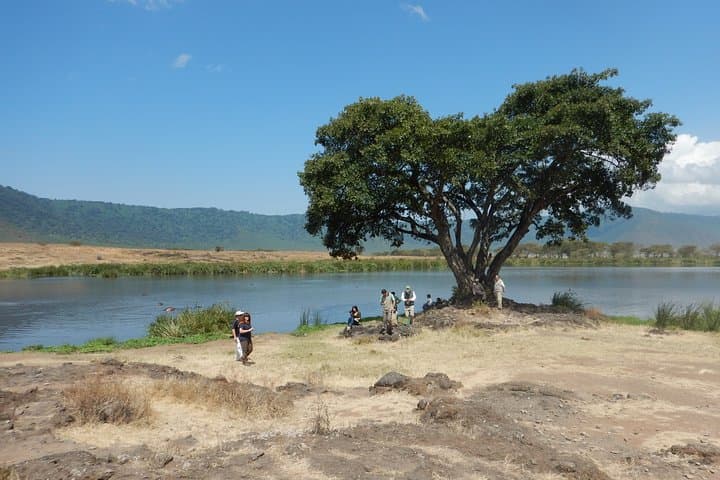
You crest the rim before sunrise and the crater opens beneath you like a low, living world — a flat floor of grasses, watering holes and slow-moving dust plumes where lions lounge and herds spool across the plain.
Verified experiences and guided adventures in the surrounding area.
Operated by Allday In Africa Limited · Ngorongoro Conservation Area, Arusha Region
You crest the rim before sunrise and the crater opens beneath you like a low, living world — a flat floor of grasses, watering holes and slow-moving dust plumes where lions lounge and herds spool across the plain.
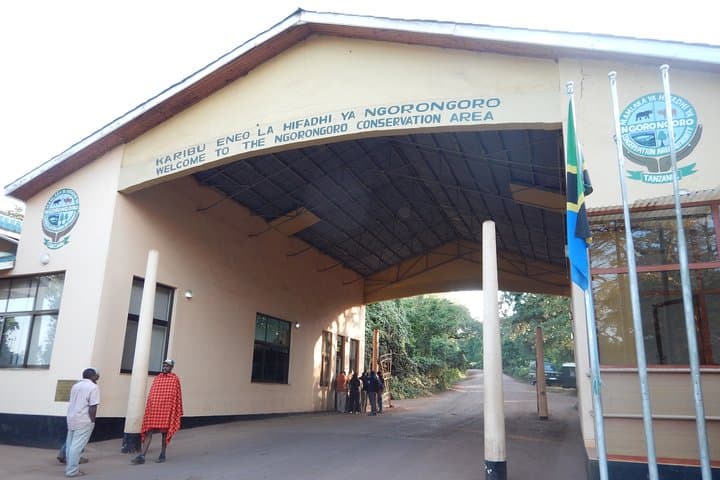
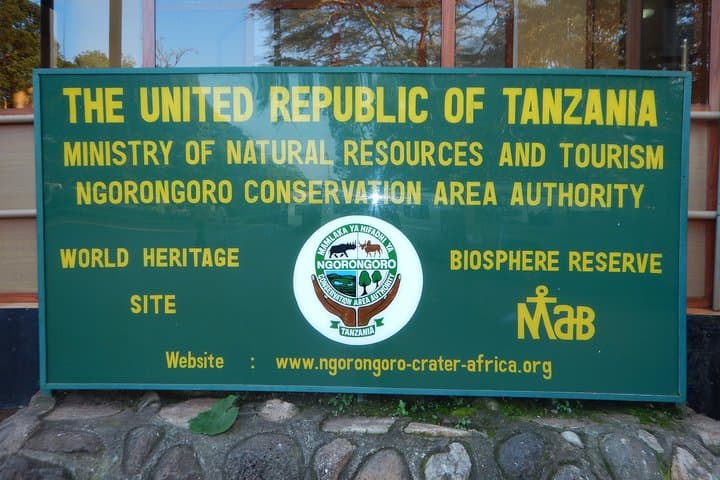
This full-day safari drops about 2,000 feet into the Ngorongoro Crater, a 102-square-mile collapsed volcanic caldera formed millions of years ago. The conservation area sits in the highlands of northern Tanzania and is also a cultural landscape for Maasai communities whose cattle graze the outer slopes. Declared a UNESCO World Heritage Site in 1979, Ngorongoro blends remarkable geology with dense concentrations of East African wildlife, including the rare black rhino and the classic ‘big five.’
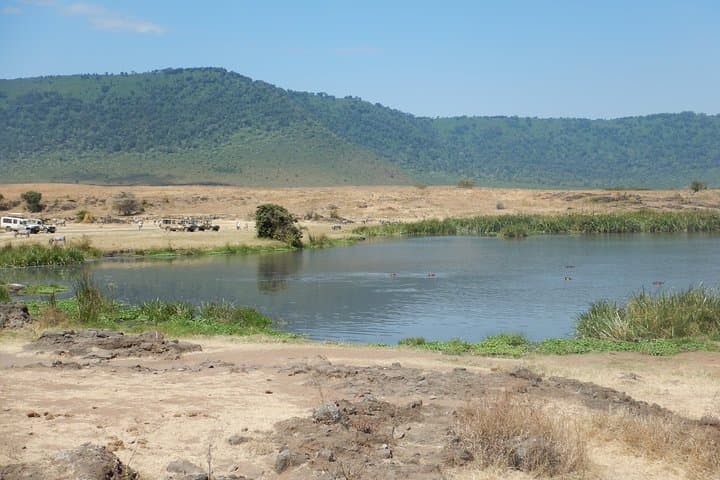
On a shared, open-roof 4x4 you’ll scan for zebra, wildebeest, hyena and elephant across the crater floor; birdlife gathers around soda lakes and hippo pools. Guides read tracks and rhythms here — when predators are active, where water concentrates wildlife, and how seasonal grasses shift the game.
Practical edge: expect a long day (about 10 hours) and an early pickup from Arusha. Roads to the rim can be bumpy; the crater floor is driven rather than hiked. Bring sun protection, a warm layer for morning winds on the rim, binoculars and a charged camera. Carry any motion-sickness remedies if you’re sensitive to switchbacks.
Respect local rules: stay with your guide, keep distance from animals, and pack out waste. With good timing and a knowledgeable driver, a single day here can deliver classic safari wildlife viewing and an unforgettable window into East Africa’s volcanic past.
easy.
10 hours.
Suitable for most fitness levels; long day but minimal walking required
The tour is approximately 10 hours; pickups from Arusha are early in the morning to maximize animal activity and daylight.
Ngorongoro has high concentrations of wildlife and offers a good chance to see many Big Five species, but sightings cannot be guaranteed—wildlife is never predictable.
The tour advertises accessibility for most people but is not recommended for pregnant travelers or those with serious spinal issues; check with the operator for specifics and child seat availability.
This tour includes bottled water and a picnic lunch; confirm whether national park entrance fees are included when booking, as policies vary.
Ngorongoro is a volcanic caldera formed by the collapse of a large volcano millions of years ago; the area later became a UNESCO World Heritage Site, recognized for its exceptional wildlife and cultural value.
The Ngorongoro Conservation Area balances wildlife protection with Maasai pastoralism; visitors should follow strict park rules to minimize disturbance and support conservation fees that fund habitat management.
Allday In Africa Limited operates guided outdoor trips and adventures with an emphasis on safety, stewardship, and memorable experiences.
You crest the rim before sunrise and the crater opens beneath you like a low, living world — a flat floor of grasses, watering holes and slow-moving dust plumes where lions lounge and herds spool across the plain.
You crest the rim before sunrise and the crater opens beneath you like a low, living world — a flat floor of grasses, watering holes and slow-moving dust plumes where lions lounge and herds spool across the plain.
This full-day safari drops about 2,000 feet into the Ngorongoro Crater, a 102-square-mile collapsed volcanic caldera formed millions of years ago. The conservation area sits in the highlands of northern Tanzania and is also a cultural landscape for Maasai communities whose cattle graze the outer slopes. Declared a UNESCO World Heritage Site in 1979, Ngorongoro blends remarkable geology with dense concentrations of East African wildlife, including the rare black rhino and the classic ‘big five.’
On a shared, open-roof 4x4 you’ll scan for zebra, wildebeest, hyena and elephant across the crater floor; birdlife gathers around soda lakes and hippo pools. Guides read tracks and rhythms here — when predators are active, where water concentrates wildlife, and how seasonal grasses shift the game.
Practical edge: expect a long day (about 10 hours) and an early pickup from Arusha. Roads to the rim can be bumpy; the crater floor is driven rather than hiked. Bring sun protection, a warm layer for morning winds on the rim, binoculars and a charged camera. Carry any motion-sickness remedies if you’re sensitive to switchbacks.
Respect local rules: stay with your guide, keep distance from animals, and pack out waste. With good timing and a knowledgeable driver, a single day here can deliver classic safari wildlife viewing and an unforgettable window into East Africa’s volcanic past.