THE ADVENTURE COLLECTIVE® · Independent discovery and booking for outdoor travel

Descend into Ngorongoro’s immense caldera on a budget-friendly shared day safari from Arusha. Expect dense wildlife viewing, brief walks to viewpoints, and a full day of crater floor discovery.
Descend into Ngorongoro’s immense caldera on a budget-friendly shared day safari from Arusha. Expect dense wildlife viewing, brief walks to viewpoints, and a full day of crater floor discovery.
You step out before dawn, the rim hanging like a dark lip above a bowl of slow-breathing plains. As the vehicle noses toward the edge, the crater lifts into focus — a vast, enclosed savanna ringed by high, old volcanic walls and threaded with acacia and pockets of forest.
Verified experiences and guided adventures in the surrounding area.
Operated by Tanzania Serengeti Safaris · Karatu, Arusha Region
You step out before dawn, the rim hanging like a dark lip above a bowl of slow-breathing plains. As the vehicle noses toward the edge, the crater lifts into focus — a vast, enclosed savanna ringed by high, old volcanic walls and threaded with acacia and pockets of forest.
The Ngorongoro Crater is the world's largest intact caldera, carved when a volcano collapsed around two to three million years ago; its floor now supports one of Africa’s densest concentrations of wildlife. Maasai families graze cattle on the slopes of the conservation area, a living cultural presence that predates modern park management and helped secure the site’s UNESCO status.
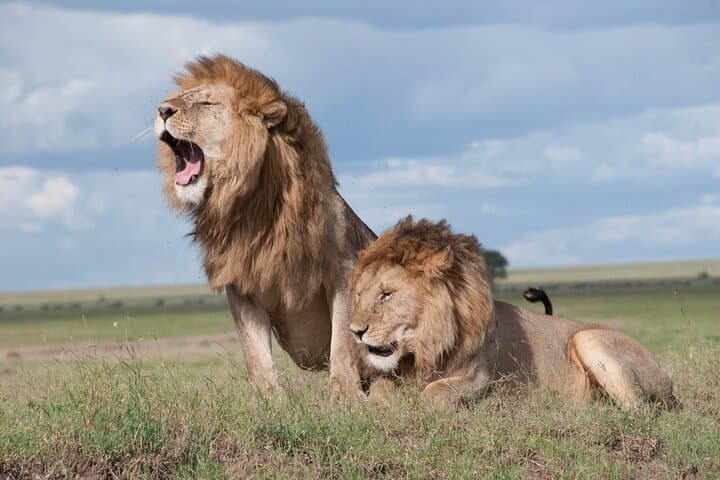
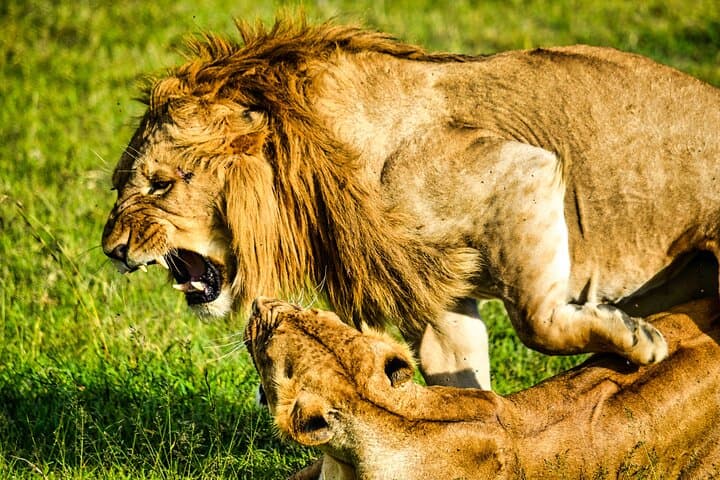
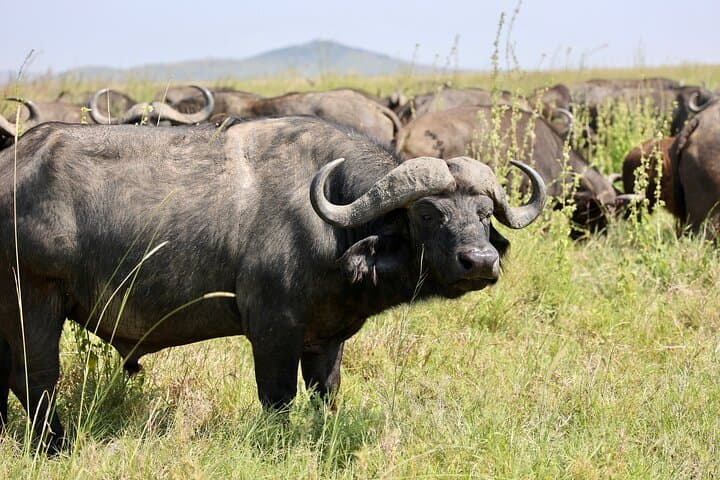
On a shared, budget day tour you’ll descend into this amphitheater and spend the day scanning grasslands, marshes and Lerai Forest for lions, elephants, buffalo and rhinos. Soda lakes and seasonal wetlands attract flamingos and waterbirds while morning and late afternoon light bring out the best animal activity.
Practical notes: expect a long day (roughly 8–9 hours) with hotel pickup and return; most itineraries include a picnic lunch and park fees but confirm when booking. Roads inside the crater are unpaved; a high-clearance safari vehicle is standard. Bring binoculars, sun protection, layered clothing for cool rim mornings and warmer midday sun, and water — there’s limited shelter and minimal walking required beyond short restroom or viewpoint stops.
Respect park rules: stay in the vehicle unless guided otherwise, keep noise low and your distance from wildlife. The crater’s scale and concentration of life reward patient, observant travel rather than rushed photography.
easy.
8–9 hours.
Minimal hiking required; you should be comfortable sitting for several hours and getting in/out of a vehicle.
This shared day tour lasts about 8–9 hours and typically includes hotel pickup, guiding, park admission (confirm at booking), and a picnic lunch—check the supplier for exact inclusions.
Ngorongoro is one of the best places to see high concentrations of wildlife and the Big Five are possible, but sightings are not guaranteed—animals move freely within the crater.
The crater rim and parts of the area sit around 1,800–2,300 meters; those with cardiovascular issues should consult a doctor and let the operator know before booking.
There are basic restroom facilities at designated points and at the picnic site, but amenities are limited—pack tissues and hand sanitizer.
Ngorongoro Conservation Area is a UNESCO World Heritage Site where Maasai pastoralists live and graze livestock within a managed conservation framework.
Park rules and visitor fees support wildlife protection; visitors should stay in vehicles, minimize waste, and follow guides to reduce disturbance to animals and pastoral communities.
Tanzania Serengeti Safaris operates guided outdoor trips and adventures with an emphasis on safety, stewardship, and memorable experiences.
You step out before dawn, the rim hanging like a dark lip above a bowl of slow-breathing plains. As the vehicle noses toward the edge, the crater lifts into focus — a vast, enclosed savanna ringed by high, old volcanic walls and threaded with acacia and pockets of forest.
You step out before dawn, the rim hanging like a dark lip above a bowl of slow-breathing plains. As the vehicle noses toward the edge, the crater lifts into focus — a vast, enclosed savanna ringed by high, old volcanic walls and threaded with acacia and pockets of forest.
The Ngorongoro Crater is the world's largest intact caldera, carved when a volcano collapsed around two to three million years ago; its floor now supports one of Africa’s densest concentrations of wildlife. Maasai families graze cattle on the slopes of the conservation area, a living cultural presence that predates modern park management and helped secure the site’s UNESCO status.
On a shared, budget day tour you’ll descend into this amphitheater and spend the day scanning grasslands, marshes and Lerai Forest for lions, elephants, buffalo and rhinos. Soda lakes and seasonal wetlands attract flamingos and waterbirds while morning and late afternoon light bring out the best animal activity.
Practical notes: expect a long day (roughly 8–9 hours) with hotel pickup and return; most itineraries include a picnic lunch and park fees but confirm when booking. Roads inside the crater are unpaved; a high-clearance safari vehicle is standard. Bring binoculars, sun protection, layered clothing for cool rim mornings and warmer midday sun, and water — there’s limited shelter and minimal walking required beyond short restroom or viewpoint stops.
Respect park rules: stay in the vehicle unless guided otherwise, keep noise low and your distance from wildlife. The crater’s scale and concentration of life reward patient, observant travel rather than rushed photography.