THE ADVENTURE COLLECTIVE® · Independent discovery and booking for outdoor travel

Spend a full day descending into Ngorongoro Crater to hunt sightings of the Big Five, then visit a Maasai village to learn traditional life and crafts. This practical guide explains what to expect, how to prepare, and local insights that make the trip smoother.
Spend a full day descending into Ngorongoro Crater to hunt sightings of the Big Five, then visit a Maasai village to learn traditional life and crafts. This practical guide explains what to expect, how to prepare, and local insights that make the trip smoother.
The day begins before sunrise, engine low and headlights cutting a path through acacia and mist. You climb to the Ngorongoro rim as the crater yawns open below — a bowl of grassland, soda lakes, and blackened termite mounds where elephant herds move like slow weather and lions lounge in the shade. The crater seems to watch you back, its floor a micro‑ecosystem that pushes wildlife into close view.
Verified experiences and guided adventures in the surrounding area.
Operated by Africa Pathways Expeditions · Arusha, Arusha Region
The day begins before sunrise, engine low and headlights cutting a path through acacia and mist. You climb to the Ngorongoro rim as the crater yawns open below — a bowl of grassland, soda lakes, and blackened termite mounds where elephant herds move like slow weather and lions lounge in the shade. The crater seems to watch you back, its floor a micro‑ecosystem that pushes wildlife into close view.
Geology and human history are stitched into the landscape. Ngorongoro is the world’s largest intact volcanic caldera, part of the Ngorongoro Conservation Area and a UNESCO site. Millennia of eruptions and collapse shaped a sheltered basin that supports grazing plains and permanent water sources, which in turn sustained Maasai pastoralists and later colonial conservation efforts. Today, licensed guides interpret geology and culture as you scan for the Big Five.
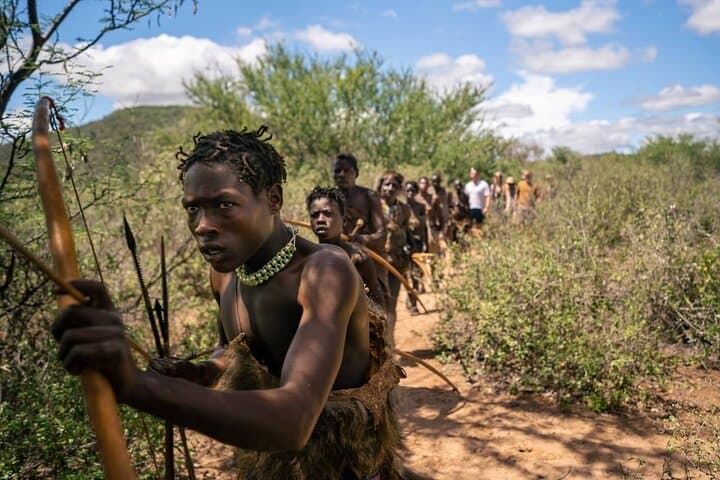
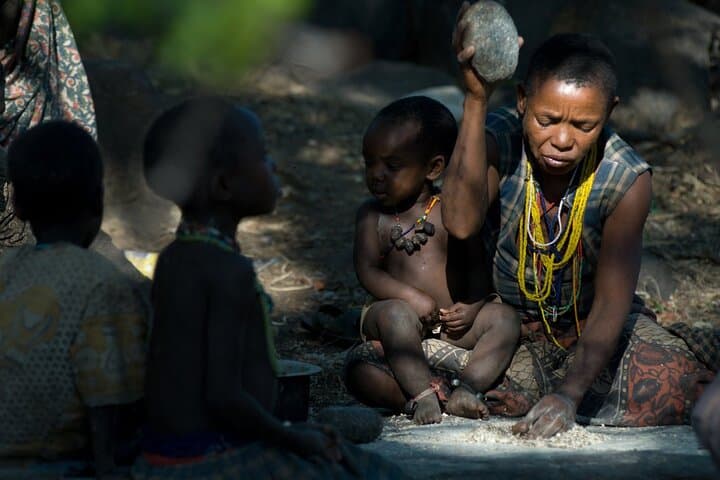
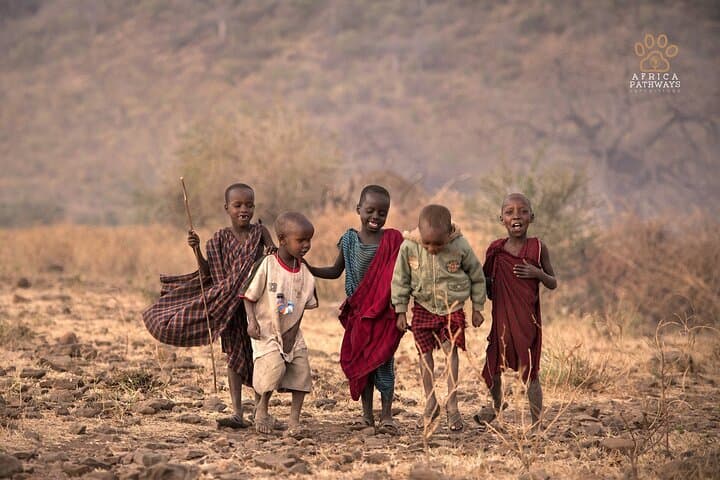
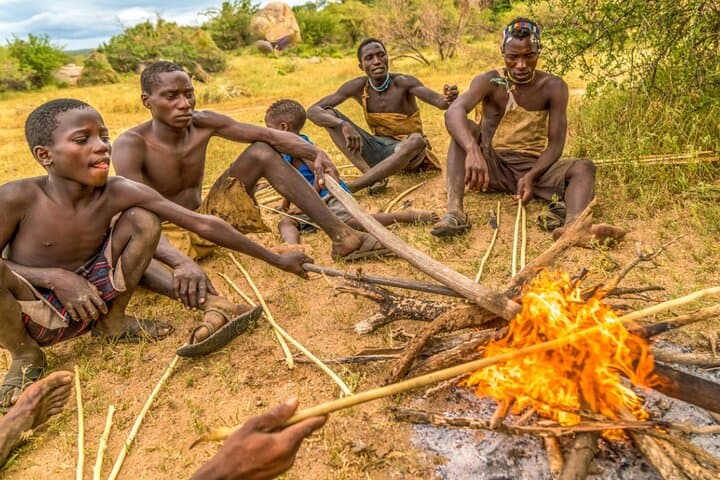
A scheduled stop at a Maasai village shifts the pace. Expect to see beadwork, meet elders, and learn about cattle‑centered life — interactions are transactional and guided; small contributions and respectful questions keep exchanges positive. Note that some operators combine this with overnight options at Lake Eyasi to meet Hadzabe or Datoga communities for deeper cultural context.
Practical guidance: start very early to avoid midday heat and crowds, bring layered clothing for rim winds and sun at the crater floor, carry at least 2 liters of water and sun protection, and keep a pair of binoculars and a camera on hand. Respect local protocols in villages, follow your guide’s instructions around wildlife, and budget for park entrance fees and community contributions. With preparation, the day delivers concentrated wildlife viewing, cultural insight, and raw East African scenery.
moderate.
10 hours.
Suitable for travelers in average physical condition who can handle short walks and getting in/out of a 4x4 vehicle
Expect about 3–4 hours each way depending on traffic and road conditions; an early departure minimizes drive time inside the park.
Policies vary by operator—confirm whether Ngorongoro Conservation Area fees and vehicle permits are included in your booking before you travel.
No wildlife is guaranteed, but the crater’s density of game improves odds considerably; sightings depend on season, timing and luck.
Reputable operators work with village leaders and include a small contribution or fee; follow your guide’s advice, ask before photographing people, and avoid gifting items directly without permission.
The Ngorongoro Conservation Area protects both wildlife and pastoral Maasai communities; it was designated a UNESCO World Heritage Site for its combined natural and cultural value.
Visitor numbers and vehicle behavior can stress wildlife and habitat; choose operators who follow park rules, pay conservation fees, and support local communities.
Africa Pathways Expeditions operates guided outdoor trips and adventures with an emphasis on safety, stewardship, and memorable experiences.
The day begins before sunrise, engine low and headlights cutting a path through acacia and mist. You climb to the Ngorongoro rim as the crater yawns open below — a bowl of grassland, soda lakes, and blackened termite mounds where elephant herds move like slow weather and lions lounge in the shade. The crater seems to watch you back, its floor a micro‑ecosystem that pushes wildlife into close view.
The day begins before sunrise, engine low and headlights cutting a path through acacia and mist. You climb to the Ngorongoro rim as the crater yawns open below — a bowl of grassland, soda lakes, and blackened termite mounds where elephant herds move like slow weather and lions lounge in the shade. The crater seems to watch you back, its floor a micro‑ecosystem that pushes wildlife into close view.
Geology and human history are stitched into the landscape. Ngorongoro is the world’s largest intact volcanic caldera, part of the Ngorongoro Conservation Area and a UNESCO site. Millennia of eruptions and collapse shaped a sheltered basin that supports grazing plains and permanent water sources, which in turn sustained Maasai pastoralists and later colonial conservation efforts. Today, licensed guides interpret geology and culture as you scan for the Big Five.
A scheduled stop at a Maasai village shifts the pace. Expect to see beadwork, meet elders, and learn about cattle‑centered life — interactions are transactional and guided; small contributions and respectful questions keep exchanges positive. Note that some operators combine this with overnight options at Lake Eyasi to meet Hadzabe or Datoga communities for deeper cultural context.
Practical guidance: start very early to avoid midday heat and crowds, bring layered clothing for rim winds and sun at the crater floor, carry at least 2 liters of water and sun protection, and keep a pair of binoculars and a camera on hand. Respect local protocols in villages, follow your guide’s instructions around wildlife, and budget for park entrance fees and community contributions. With preparation, the day delivers concentrated wildlife viewing, cultural insight, and raw East African scenery.