THE ADVENTURE COLLECTIVE® · Independent discovery and booking for outdoor travel

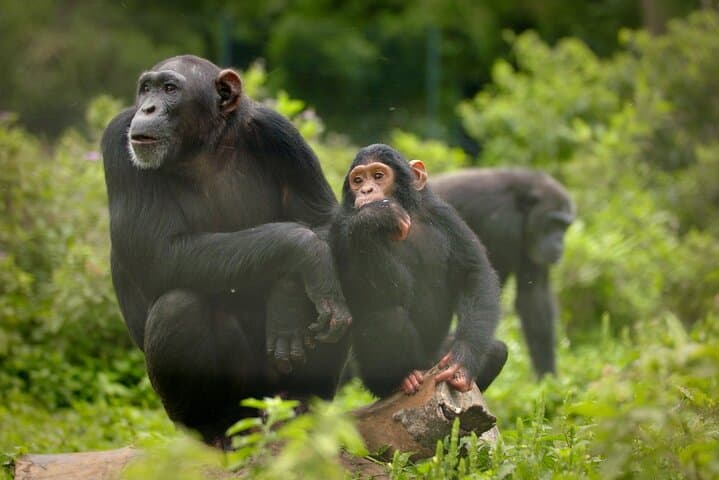
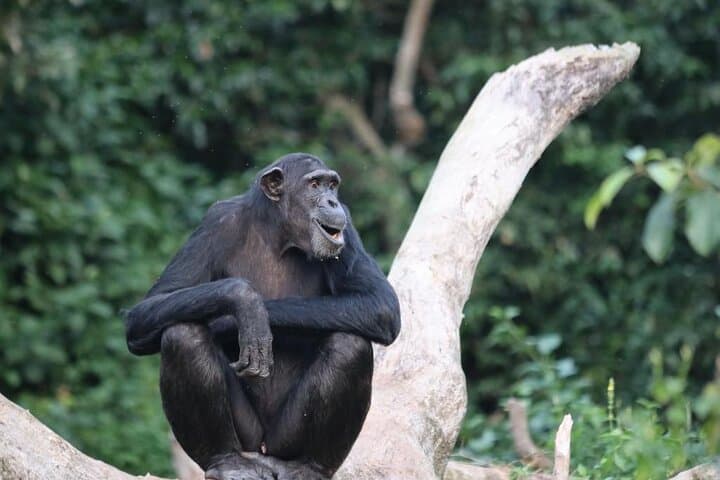
Cross Lake Victoria to Ngamba Island, a 100-acre chimpanzee sanctuary where rescued apes live in near-natural forest. This full-day tour includes boat transfer, sanctuary orientation, and guided observation windows—ideal for travelers seeking a meaningful wildlife encounter.
Cross Lake Victoria to Ngamba Island, a 100-acre chimpanzee sanctuary where rescued apes live in near-natural forest. This full-day tour includes boat transfer, sanctuary orientation, and guided observation windows—ideal for travelers seeking a meaningful wildlife encounter.
Dawn lifts off Lake Victoria in a slow, silvery pulse as your speedboat cuts a path toward Ngamba Island. The water sprays light on faces and the distant hum of Entebbe fades; the island’s 100 acres—98% forested—appear like a green heart in the lake. On arrival sanctuary staff greet you, and the forest takes over: leaf litter underfoot, calls of birds above, and the low, social chatter of rescued chimpanzees nearby.
Verified experiences and guided adventures in the surrounding area.
Operated by TWIJA AFRICA SAFARIS · Entebbe, Central Region
Dawn lifts off Lake Victoria in a slow, silvery pulse as your speedboat cuts a path toward Ngamba Island. The water sprays light on faces and the distant hum of Entebbe fades; the island’s 100 acres—98% forested—appear like a green heart in the lake. On arrival sanctuary staff greet you, and the forest takes over: leaf litter underfoot, calls of birds above, and the low, social chatter of rescued chimpanzees nearby.
Founded in 1998, Ngamba Island grew out of Uganda’s response to the illegal pet trade and human-wildlife conflict. The sanctuary is set on volcanic and lacustrine geology typical of the Lake Victoria basin; its soil supports fig and mahogany stands that shade trails and viewing platforms. Local culture around Entebbe and the lake is tied to fishing communities and lakeside markets—stop in Entebbe to see UWEC and the botanical garden before or after the transfer.
Practically: expect a 1–1.5 hour road transfer to the Entebbe Waterfront Pier, a ~45 minute boat crossing, and a full-day program (6–10 hours) on site. Guided orientation, sanctuary briefing, and scheduled observation windows are part of the visit. The site supports conservation through visitor fees—follow staff directions, maintain distance from animals, and avoid bringing food.
Bring sturdy shoes for uneven forest paths, insect repellent, sun protection, and a charged camera with a long lens. The day is long and active: hydrate often, travel light, and listen to staff to make the most of this rare, hands-off wildlife encounter.
challenging.
6–10 hours.
Good endurance and mobility required—full-day schedules, boat transfer, and walking on uneven, sometimes steep, forest paths.
No. Ngamba operates strict no-contact rules; staff control all feeding and interactions to protect chimp health and behavior.
Many families visit, but the program is a full day with boat travel and forest walking—check operator age policies and consider mobility when booking.
Most tours include hotel pickup; road travel to Entebbe Waterfront Pier takes about 1–1.5 hours from Kampala depending on traffic and 15–30 minutes from central Entebbe.
The tour includes bottled water and entrance fees; meal inclusion varies by operator—confirm when booking and bring snacks if needed.
Established in 1998, Ngamba Island was created to rehabilitate orphaned and rescued chimpanzees displaced by the illegal pet trade and human-wildlife conflict.
Visitor fees and guided tours fund veterinary care and habitat maintenance; follow sanctuary rules to minimize stress and disease risk to the chimps.
TWIJA AFRICA SAFARIS operates guided outdoor trips and adventures with an emphasis on safety, stewardship, and memorable experiences.
Dawn lifts off Lake Victoria in a slow, silvery pulse as your speedboat cuts a path toward Ngamba Island. The water sprays light on faces and the distant hum of Entebbe fades; the island’s 100 acres—98% forested—appear like a green heart in the lake. On arrival sanctuary staff greet you, and the forest takes over: leaf litter underfoot, calls of birds above, and the low, social chatter of rescued chimpanzees nearby.
Dawn lifts off Lake Victoria in a slow, silvery pulse as your speedboat cuts a path toward Ngamba Island. The water sprays light on faces and the distant hum of Entebbe fades; the island’s 100 acres—98% forested—appear like a green heart in the lake. On arrival sanctuary staff greet you, and the forest takes over: leaf litter underfoot, calls of birds above, and the low, social chatter of rescued chimpanzees nearby.
Founded in 1998, Ngamba Island grew out of Uganda’s response to the illegal pet trade and human-wildlife conflict. The sanctuary is set on volcanic and lacustrine geology typical of the Lake Victoria basin; its soil supports fig and mahogany stands that shade trails and viewing platforms. Local culture around Entebbe and the lake is tied to fishing communities and lakeside markets—stop in Entebbe to see UWEC and the botanical garden before or after the transfer.
Practically: expect a 1–1.5 hour road transfer to the Entebbe Waterfront Pier, a ~45 minute boat crossing, and a full-day program (6–10 hours) on site. Guided orientation, sanctuary briefing, and scheduled observation windows are part of the visit. The site supports conservation through visitor fees—follow staff directions, maintain distance from animals, and avoid bringing food.
Bring sturdy shoes for uneven forest paths, insect repellent, sun protection, and a charged camera with a long lens. The day is long and active: hydrate often, travel light, and listen to staff to make the most of this rare, hands-off wildlife encounter.