THE ADVENTURE COLLECTIVE® · Independent discovery and booking for outdoor travel

Climb across barnacled ledges, drop through blue mouths of sea caves and feel Atlantic waves push you off the lip of cliff jumps. This 2–3 hour Newquay coasteering session blends scrambling, swimming and rock-hopping to deliver a close-up read of Cornwall's rugged shoreline.
Climb across barnacled ledges, drop through blue mouths of sea caves and feel Atlantic waves push you off the lip of cliff jumps. This 2–3 hour Newquay coasteering session blends scrambling, swimming and rock-hopping to deliver a close-up read of Cornwall's rugged shoreline.
Wind, salt and the slap of foamy water set the first scene as you step from the parking layby into a line of barnacle-scarred ledges.
Verified experiences and guided adventures in the surrounding area.
Operated by Quiksilver Surf School Newquay · Newquay, Cornwall
Wind, salt and the slap of foamy water set the first scene as you step from the parking layby into a line of barnacle-scarred ledges.
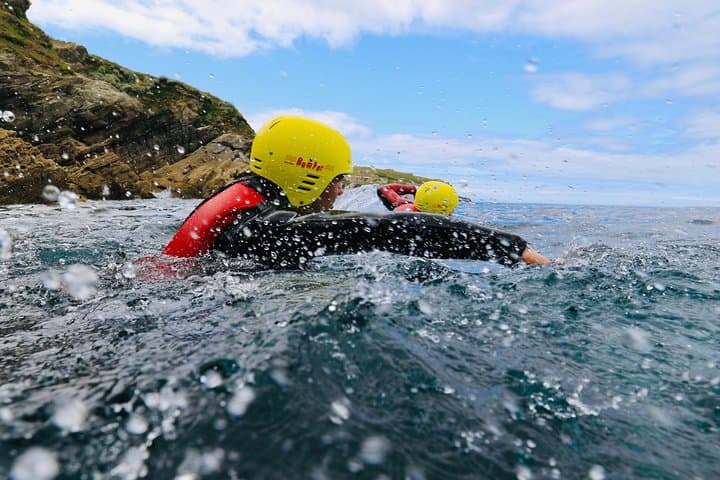
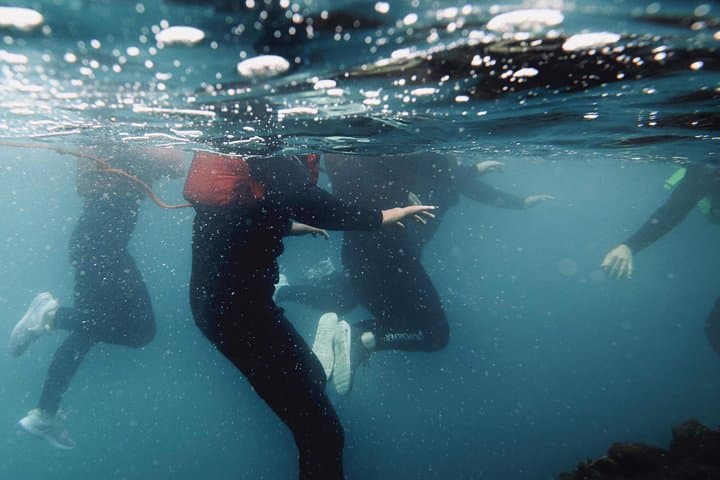
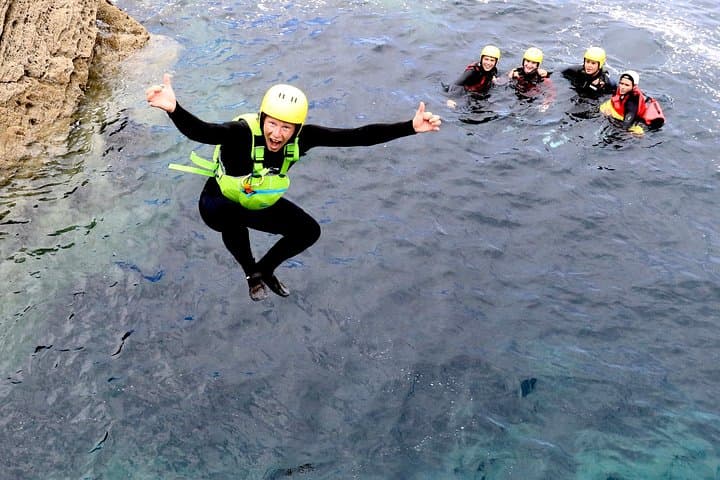
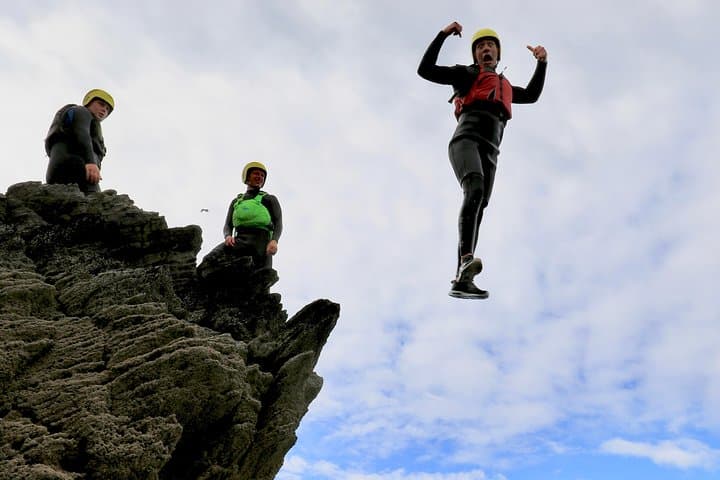
In Newquay, coasteering threads you through an intertidal world where the granite and slate of Cornwall's coast rise and fall like an old sea chart. Groups scramble across jagged platforms, slip through narrow zawns and pause at sea caves with light-slits framing the channel. Waves dare you at the lip of every jump; currents push and pull you through rock pools full of life.
The coast here carries the marks of a long maritime past — tin trade, shipwrecks and a smuggling culture that made use of coves and caves. Geologically, the Cornubian granite batholith gives many headlands their chunky, blocky profile; where slate and metamorphosed sediments remain, the shore is more jagged and pocketed with tide pools.
Locally, coasteering sits between surf culture and maritime history — operators run tailored outings for beginners to adrenaline seekers and can work around tides and weather to use different stretches of coast.
Practical guidance: expect a 2–3 hour session that mixes short climbs, swims and controlled jumps. Wetsuit, buoyancy aid and helmet are typically provided; bring water, a dry change of clothes and sturdy neoprene footwear. Listen to guides, scout jump exits before committing and be ready for sudden wind or tide changes.
For anyone wanting to feel the Cornish coast from inside it — rock underfoot, ocean over head — this is a direct, physical way to read the shoreline and its life.
challenging.
2–3 hours.
Participants should have good stamina, confident swimming ability and nimble balance for scrambling and jumping.
Yes — operators require confident swimmers since the activity includes open-water swims; guides provide buoyancy aids but you must be comfortable in waves.
Most operators set minimum ages (often around 8–10) and require moderate to good fitness; check with the provider for exact age and medical restrictions.
Yes — typical inclusions are a wetsuit, buoyancy aid and helmet; bring suitable footwear and a change of clothes.
Sessions can be canceled for safety due to high winds or rough seas; reputable operators will rebook or refund when outings are called off.
Cornwall's coast has long been shaped by maritime trade, shipwrecks and smuggling; many coves and caves once provided landing spots for clandestine activity.
Intertidal zones are fragile — keep a respectful distance from wildlife, avoid removing organisms from rockpools and follow operator guidance to minimize erosion and disturbance.
Quiksilver Surf School Newquay operates guided outdoor trips and adventures with an emphasis on safety, stewardship, and memorable experiences.
Wind, salt and the slap of foamy water set the first scene as you step from the parking layby into a line of barnacle-scarred ledges.
Wind, salt and the slap of foamy water set the first scene as you step from the parking layby into a line of barnacle-scarred ledges.
In Newquay, coasteering threads you through an intertidal world where the granite and slate of Cornwall's coast rise and fall like an old sea chart. Groups scramble across jagged platforms, slip through narrow zawns and pause at sea caves with light-slits framing the channel. Waves dare you at the lip of every jump; currents push and pull you through rock pools full of life.
The coast here carries the marks of a long maritime past — tin trade, shipwrecks and a smuggling culture that made use of coves and caves. Geologically, the Cornubian granite batholith gives many headlands their chunky, blocky profile; where slate and metamorphosed sediments remain, the shore is more jagged and pocketed with tide pools.
Locally, coasteering sits between surf culture and maritime history — operators run tailored outings for beginners to adrenaline seekers and can work around tides and weather to use different stretches of coast.
Practical guidance: expect a 2–3 hour session that mixes short climbs, swims and controlled jumps. Wetsuit, buoyancy aid and helmet are typically provided; bring water, a dry change of clothes and sturdy neoprene footwear. Listen to guides, scout jump exits before committing and be ready for sudden wind or tide changes.
For anyone wanting to feel the Cornish coast from inside it — rock underfoot, ocean over head — this is a direct, physical way to read the shoreline and its life.