THE ADVENTURE COLLECTIVE® · Independent discovery and booking for outdoor travel

Cross the Santa Catalina Channel in about 75 minutes aboard a three‑deck catamaran from Newport Beach to Avalon. This guide outlines what to expect on board, the island’s natural and cultural backdrops, and practical tips for timing, comfort, and return bookings.
Cross the Santa Catalina Channel in about 75 minutes aboard a three‑deck catamaran from Newport Beach to Avalon. This guide outlines what to expect on board, the island’s natural and cultural backdrops, and practical tips for timing, comfort, and return bookings.
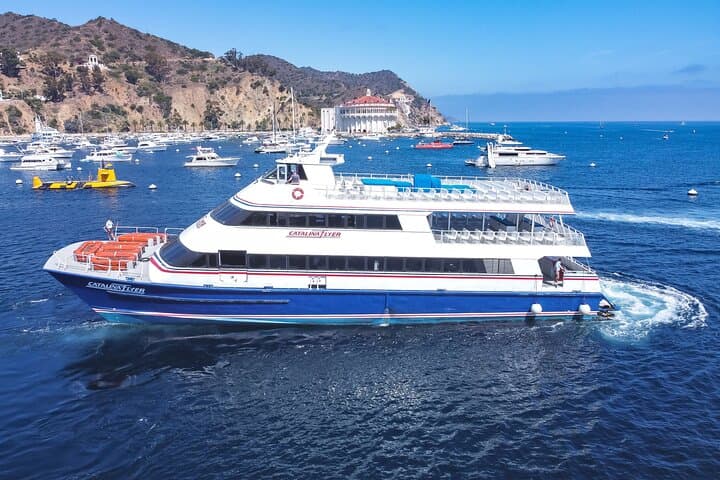
The ferry slips away from the shadow of the Balboa Pavilion and the harbor breathes out a long ribbon of ocean; the top deck gathers sun-warmed faces and binoculars as the coastline narrows into a moving postcard. Within roughly 75 minutes the catamaran crosses the Santa Catalina Channel, the boat’s three decks trading the hush of inland harbor life for salt wind and wide Pacific light.
Verified experiences and guided adventures in the surrounding area.
Operated by Catalina Flyer · Newport Beach, California
The ferry slips away from the shadow of the Balboa Pavilion and the harbor breathes out a long ribbon of ocean; the top deck gathers sun-warmed faces and binoculars as the coastline narrows into a moving postcard. Within roughly 75 minutes the catamaran crosses the Santa Catalina Channel, the boat’s three decks trading the hush of inland harbor life for salt wind and wide Pacific light.
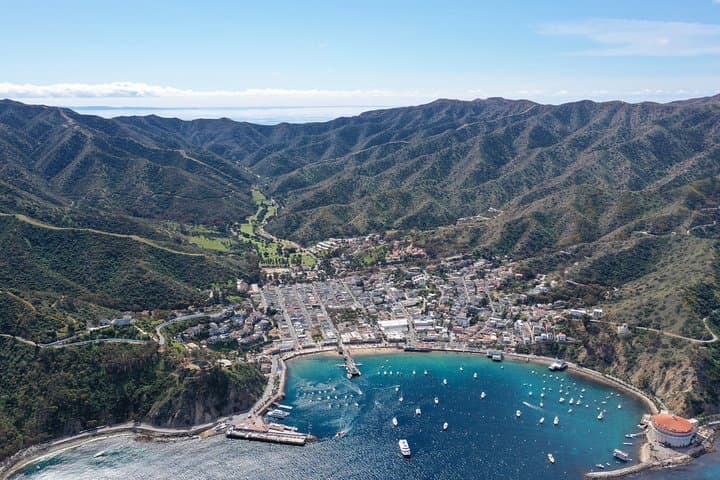
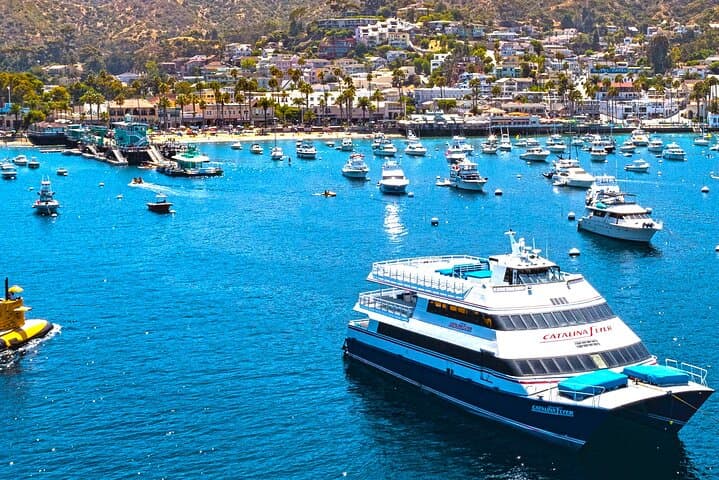
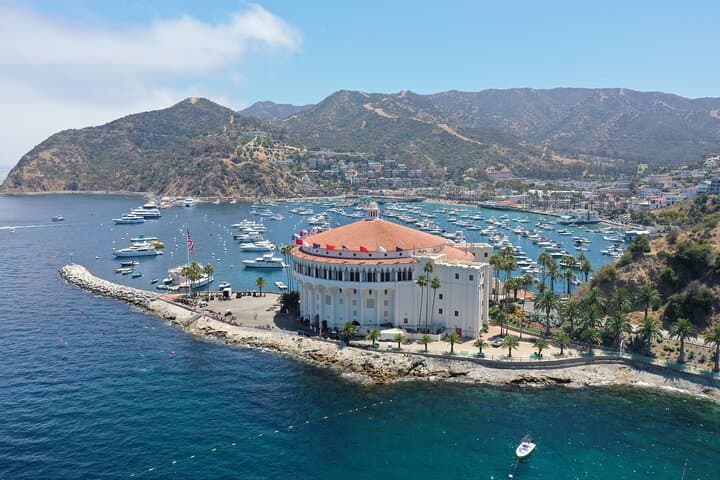
Avalon sits on the southeastern flank of Santa Catalina Island, a place shaped by uplifted marine terraces and the same tectonic pressure that formed Southern California’s coastal ranges. The town’s history traces Tongva village sites, early 20th-century tourism boom, and a maritime culture that still supports dive shops, glass-bottom boats, and charter skippers. Geology shows itself in rounded island ridgelines and exposed Miocene rocks; culture appears in the small downtown, local seafood, and the relaxed rhythm of golf carts.
Practical guidance is simple: arrive at Balboa Pavilion 45–60 minutes before departure to collect boarding passes and stash a snack. The ferry’s open top deck offers the clearest views but can get chilly; bring layered clothing and sunglasses. Restrooms and a snack bar are on board, and the vessel’s size helps reduce motion-sickness for most riders. If staying in Avalon, reserve return passage ahead of time; one-way tickets require booking the return separately. For day trips, aim for an early round-trip to maximize beach time and permit a buffer for weather-related schedule changes.
This route is a straightforward, scenic gateway to Catalina’s coastal trails, snorkeling coves, and island hospitality—efficient transport that’s itself part of the island experience.
easy.
1–1.5 hours.
Suitable for all fitness levels; requires only the ability to walk short distances and navigate boarding ramps.
The crossing takes approximately 75 minutes on the fastest catamaran service between Newport Beach and Avalon.
Yes—this booking is one-way; you must purchase a separate Avalon-to-Newport Beach return ferry ticket to guarantee your trip back.
Yes; the vessel and boarding facilities at Balboa Pavilion are wheelchair accessible—contact the operator ahead of time for specific assistance.
Yes; the ferry has onboard restrooms and a snack bar with beverages; the second deck also has a full bar on many sailings.
Avalon grew as a resort town in the early 20th century; Catalina’s island history includes Tongva inhabitants and a tourism boom tied to steamship and later ferry services.
Catalina Island operates strict protections around marine habitats and freshwater resources—stick to marked trails, avoid single-use plastics, and respect local restrictions to protect island ecology.
Catalina Flyer operates guided outdoor trips and adventures with an emphasis on safety, stewardship, and memorable experiences.
The ferry slips away from the shadow of the Balboa Pavilion and the harbor breathes out a long ribbon of ocean; the top deck gathers sun-warmed faces and binoculars as the coastline narrows into a moving postcard. Within roughly 75 minutes the catamaran crosses the Santa Catalina Channel, the boat’s three decks trading the hush of inland harbor life for salt wind and wide Pacific light.
The ferry slips away from the shadow of the Balboa Pavilion and the harbor breathes out a long ribbon of ocean; the top deck gathers sun-warmed faces and binoculars as the coastline narrows into a moving postcard. Within roughly 75 minutes the catamaran crosses the Santa Catalina Channel, the boat’s three decks trading the hush of inland harbor life for salt wind and wide Pacific light.
Avalon sits on the southeastern flank of Santa Catalina Island, a place shaped by uplifted marine terraces and the same tectonic pressure that formed Southern California’s coastal ranges. The town’s history traces Tongva village sites, early 20th-century tourism boom, and a maritime culture that still supports dive shops, glass-bottom boats, and charter skippers. Geology shows itself in rounded island ridgelines and exposed Miocene rocks; culture appears in the small downtown, local seafood, and the relaxed rhythm of golf carts.
Practical guidance is simple: arrive at Balboa Pavilion 45–60 minutes before departure to collect boarding passes and stash a snack. The ferry’s open top deck offers the clearest views but can get chilly; bring layered clothing and sunglasses. Restrooms and a snack bar are on board, and the vessel’s size helps reduce motion-sickness for most riders. If staying in Avalon, reserve return passage ahead of time; one-way tickets require booking the return separately. For day trips, aim for an early round-trip to maximize beach time and permit a buffer for weather-related schedule changes.
This route is a straightforward, scenic gateway to Catalina’s coastal trails, snorkeling coves, and island hospitality—efficient transport that’s itself part of the island experience.