THE ADVENTURE COLLECTIVE® · Independent discovery and booking for outdoor travel

This guided 3.5 km walking tour threads Grainger Town, the castle site and the Quayside with two millennia of history. Ideal for first‑time visitors, it mixes urban geology, industrial heritage and local culture over 2–2.5 hours.
This guided 3.5 km walking tour threads Grainger Town, the castle site and the Quayside with two millennia of history. Ideal for first‑time visitors, it mixes urban geology, industrial heritage and local culture over 2–2.5 hours.
On a cool morning beside the River Tyne, the city wakes in layers: the arches of the High Level Bridge catching light, market stalls rolling up, and a guide ready with stories that span two millennia.
Verified experiences and guided adventures in the surrounding area.
Operated by Red Beard Tours · Newcastle upon Tyne, England
On a cool morning beside the River Tyne, the city wakes in layers: the arches of the High Level Bridge catching light, market stalls rolling up, and a guide ready with stories that span two millennia.
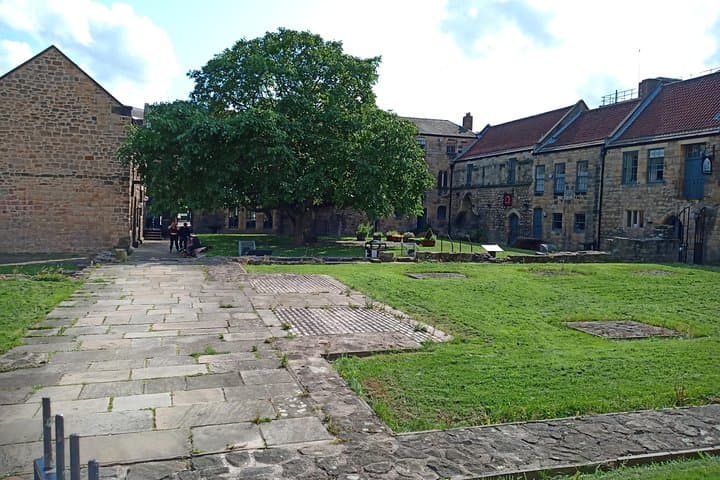
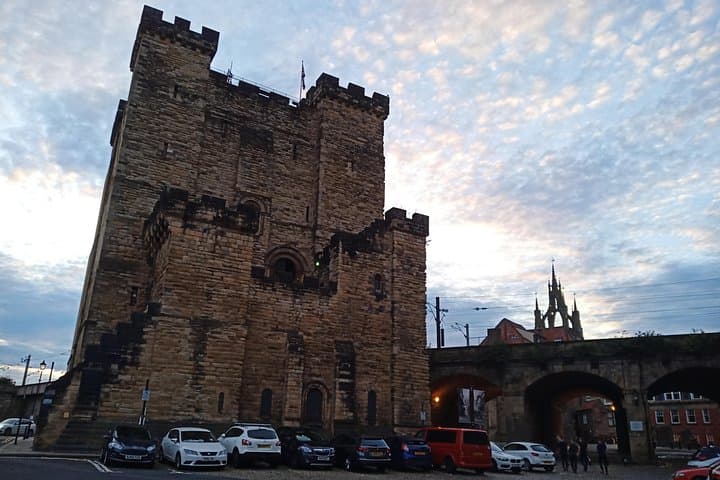
The 3.5 km loop moves through Grainger Town’s 19th‑century stone façades into the footprint of a Roman fort and the rebuilt medieval castle. Visitors hear about Iron Age beginnings, the Roman presence, the medieval town wall and towers, and the sieges of the 17th century—each era carved into streets and stone. Geology is visible in the local sandstone and the industrial scars of coal and shipbuilding that shaped Newcastle’s growth and its riverside economy.
Culture surfaces in accents, markets, and the pub doors that have hosted laborers, artists and students for generations. Small-scale features—the market canopy, a carved lintel, the echoing vaults of Blackfriars—turn a walk into a tight historical sweep rather than a simple stroll.
Practical details are straightforward: expect uneven pavement, steps and road crossings across roughly 2–2.5 hours. The route is largely flat but includes sets of steps near the castle and Quayside; wear supportive shoes and layer for changeable weather. The guide speaks English, the group size is capped (about 15), and mobile tickets are accepted. For clearer sightlines and quieter streets, schedule morning tours; for sunset light on the bridges, aim for late afternoon. Bring a small bottle of water, a weatherproof layer and a curious mind—Newcastle’s stories reveal themselves best at walking pace.
easy.
2–2.5 hours.
Suitable for most fitness levels; requires standing and walking at a steady city-pace for the duration.
Meeting and end points are typically central—near a well-known city landmark in Grainger Town; your booking confirmation will list the exact location.
The tour notes indicate wheelchair-accessible options, but parts of the route include steps—contact the operator in advance to confirm accommodations and any alternate routing.
Tours generally proceed in light rain; severe weather may cause cancellation—check messages from the guide or the operator and note the 24‑hour cancellation policy for refunds.
Infants and small children can ride in a pram or stroller; the pace suits families, though parents should watch for traffic crossings and steps.
Newcastle grew from an Iron Age and Roman stronghold to a medieval castle town, then expanded rapidly in the 19th century under Richard Grainger’s urban plan tied to coal and shipbuilding.
The city balances access and preservation—respect historic masonry, stick to paths, and use public transport to reduce congestion and wear on heritage zones.
Red Beard Tours operates guided outdoor trips and adventures with an emphasis on safety, stewardship, and memorable experiences.
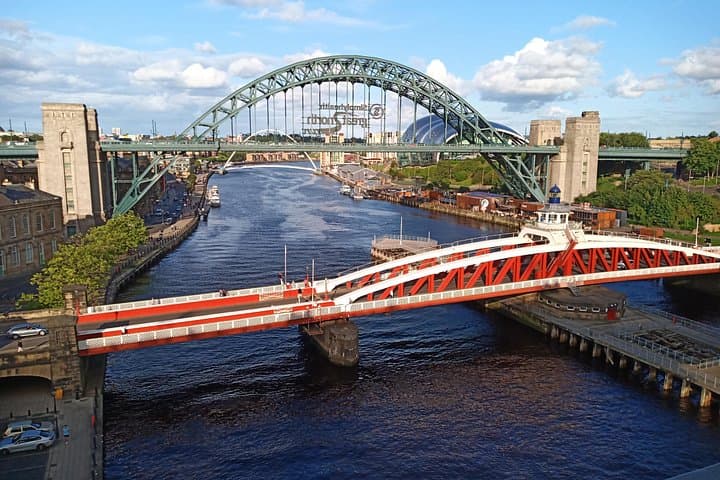
On a cool morning beside the River Tyne, the city wakes in layers: the arches of the High Level Bridge catching light, market stalls rolling up, and a guide ready with stories that span two millennia.
On a cool morning beside the River Tyne, the city wakes in layers: the arches of the High Level Bridge catching light, market stalls rolling up, and a guide ready with stories that span two millennia.
The 3.5 km loop moves through Grainger Town’s 19th‑century stone façades into the footprint of a Roman fort and the rebuilt medieval castle. Visitors hear about Iron Age beginnings, the Roman presence, the medieval town wall and towers, and the sieges of the 17th century—each era carved into streets and stone. Geology is visible in the local sandstone and the industrial scars of coal and shipbuilding that shaped Newcastle’s growth and its riverside economy.
Culture surfaces in accents, markets, and the pub doors that have hosted laborers, artists and students for generations. Small-scale features—the market canopy, a carved lintel, the echoing vaults of Blackfriars—turn a walk into a tight historical sweep rather than a simple stroll.
Practical details are straightforward: expect uneven pavement, steps and road crossings across roughly 2–2.5 hours. The route is largely flat but includes sets of steps near the castle and Quayside; wear supportive shoes and layer for changeable weather. The guide speaks English, the group size is capped (about 15), and mobile tickets are accepted. For clearer sightlines and quieter streets, schedule morning tours; for sunset light on the bridges, aim for late afternoon. Bring a small bottle of water, a weatherproof layer and a curious mind—Newcastle’s stories reveal themselves best at walking pace.