THE ADVENTURE COLLECTIVE® · Independent discovery and booking for outdoor travel

Step into a working Newar kitchen where recipes from the Vedic era are still made by hand. This five-hour private tour blends village history, hands-on cooking, and local tasting in one of Kathmandu’s oldest settlements.
Step into a working Newar kitchen where recipes from the Vedic era are still made by hand. This five-hour private tour blends village history, hands-on cooking, and local tasting in one of Kathmandu’s oldest settlements.
Morning light falls across a low courtyard as thin plumes of smoke curl from clay stoves; women in patterned blouses move with practiced rhythm, crushing spices and coaxing rice to steam. The tour begins in one of Kathmandu Valley’s oldest Newar settlements, where alleys narrow and community kitchens still set the day’s pace.
Verified experiences and guided adventures in the surrounding area.
Operated by Explore Hub Nepal · Kathmandu, Bagmati Province
Morning light falls across a low courtyard as thin plumes of smoke curl from clay stoves; women in patterned blouses move with practiced rhythm, crushing spices and coaxing rice to steam. The tour begins in one of Kathmandu Valley’s oldest Newar settlements, where alleys narrow and community kitchens still set the day’s pace.
Newar culture is woven into the stones here: centuries-old brickwork, carved wooden windows and courtyard shrines that mark seasonal festivals. Culinary practice preserves recipes traced back to the Vedic era—fermented rice wine, spiced lentil stews, and delicately layered dishes passed down through households rather than cookbooks. Geologically, the valley’s rich alluvial soils supported rice farming and a dense population, shaping courtyard-centric villages where cooking is communal.
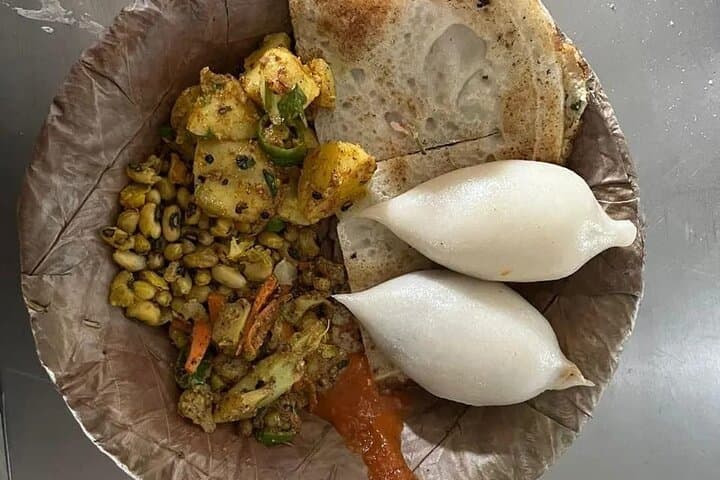
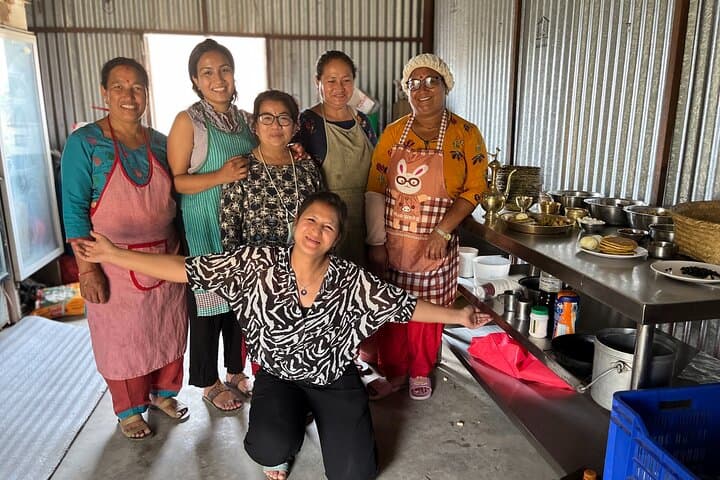
Travelers move from market stalls to family kitchens, learning three authentic Newari dishes under the guidance of local women who combine memory with skill. Expect hands-on instruction—kneading, frying, tempering spices—and tasting sessions that pair food with traditional rice wine or local beer.
Practical guidance: wear comfortable, closed-toe shoes for uneven courtyards, carry small change for market purchases, and alert the operator to dietary restrictions in advance. The tour lasts about five hours with private transport to and from central hotels. It’s suitable for participants of most fitness levels but involves standing and light walking. Respect temple areas, ask before photographing people, and favor biodegradable packaging to support the village’s low-impact rhythms. This is both a cultural immersion and a practical cooking class—made richer by the people who keep these recipes alive.
easy.
5 hours.
Suitable for most fitness levels; involves light walking and standing during hands-on cooking.
Newari cuisine varies but the dishes taught on this tour are described as light and typically not very spicy; guests can request milder preparations.
The tour can accommodate vegetarian diets if you notify the operator in advance; full vegan options should also be requested before booking.
Private transport is provided; the operator will confirm a hotel pickup location and time after booking.
Yes—this tour is family-friendly, but note it includes hands-on cooking and open flames; infant seats are available on request.
Newar communities in the Kathmandu Valley have sustained distinct language, crafts and culinary traditions for centuries; many recipes trace their lineage to practices from the Vedic period.
Support local economies by buying small quantities from village producers, avoid single-use plastics, and follow guidance on photographing cultural and sacred sites to respect community norms.
Explore Hub Nepal operates guided outdoor trips and adventures with an emphasis on safety, stewardship, and memorable experiences.
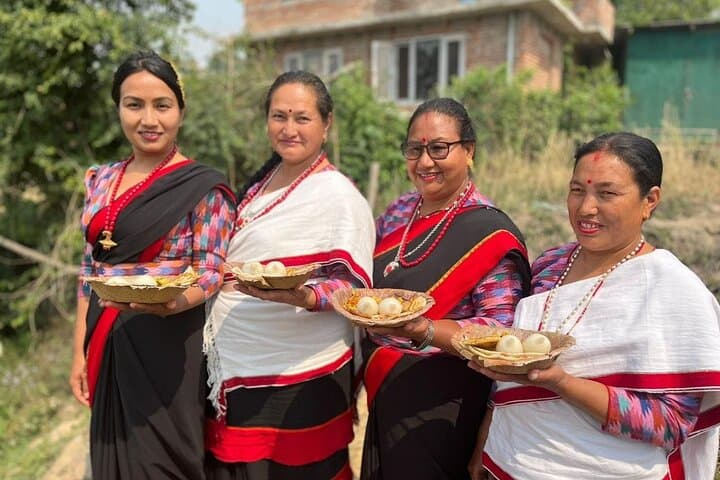
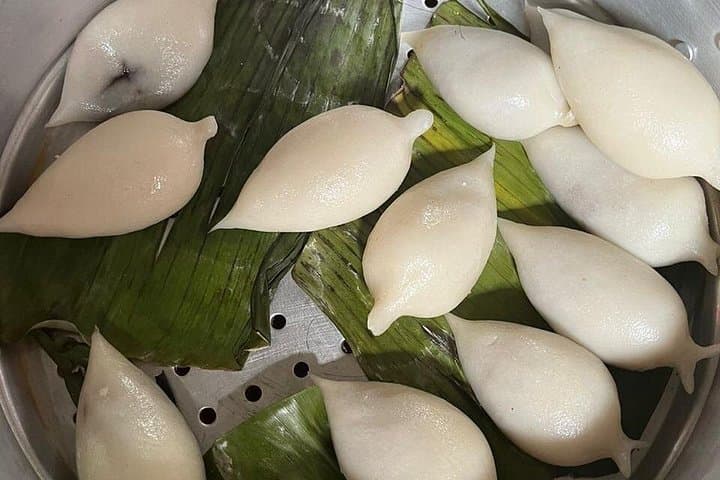
Morning light falls across a low courtyard as thin plumes of smoke curl from clay stoves; women in patterned blouses move with practiced rhythm, crushing spices and coaxing rice to steam. The tour begins in one of Kathmandu Valley’s oldest Newar settlements, where alleys narrow and community kitchens still set the day’s pace.
Morning light falls across a low courtyard as thin plumes of smoke curl from clay stoves; women in patterned blouses move with practiced rhythm, crushing spices and coaxing rice to steam. The tour begins in one of Kathmandu Valley’s oldest Newar settlements, where alleys narrow and community kitchens still set the day’s pace.
Newar culture is woven into the stones here: centuries-old brickwork, carved wooden windows and courtyard shrines that mark seasonal festivals. Culinary practice preserves recipes traced back to the Vedic era—fermented rice wine, spiced lentil stews, and delicately layered dishes passed down through households rather than cookbooks. Geologically, the valley’s rich alluvial soils supported rice farming and a dense population, shaping courtyard-centric villages where cooking is communal.
Travelers move from market stalls to family kitchens, learning three authentic Newari dishes under the guidance of local women who combine memory with skill. Expect hands-on instruction—kneading, frying, tempering spices—and tasting sessions that pair food with traditional rice wine or local beer.
Practical guidance: wear comfortable, closed-toe shoes for uneven courtyards, carry small change for market purchases, and alert the operator to dietary restrictions in advance. The tour lasts about five hours with private transport to and from central hotels. It’s suitable for participants of most fitness levels but involves standing and light walking. Respect temple areas, ask before photographing people, and favor biodegradable packaging to support the village’s low-impact rhythms. This is both a cultural immersion and a practical cooking class—made richer by the people who keep these recipes alive.