THE ADVENTURE COLLECTIVE® · Independent discovery and booking for outdoor travel

Walk through Williamsburg’s third‑wave scene with a local guide who unlocks the craft behind each cup. Three specialty cafés, one sustainability shop, and curated tastings make this a compact, sensory primer on NYC coffee culture.
Walk through Williamsburg’s third‑wave scene with a local guide who unlocks the craft behind each cup. Three specialty cafés, one sustainability shop, and curated tastings make this a compact, sensory primer on NYC coffee culture.
The walk begins at the Morgan Avenue L stop, where steam from subway grates mixes with the sharp, sweet pull of espresso. Guides lead small groups down side streets toward compact cafés that look like converted workspaces — metal stools, exposed brick, grinders that hum like small machines of ceremony. Each stop offers a framed story: a roaster's origin, a barista's competition lineage, a sustainability shop tucked between a bike repair and a bodega.
Verified experiences and guided adventures in the surrounding area.
Operated by Nate's Coffee Tours · Brooklyn, New York
The walk begins at the Morgan Avenue L stop, where steam from subway grates mixes with the sharp, sweet pull of espresso. Guides lead small groups down side streets toward compact cafés that look like converted workspaces — metal stools, exposed brick, grinders that hum like small machines of ceremony. Each stop offers a framed story: a roaster's origin, a barista's competition lineage, a sustainability shop tucked between a bike repair and a bodega.
Brooklyn’s coffee culture sits atop an industrial past. Former factories and shipping warehouses along the East River gave way to artists and small roasters in the late 20th century; the third‑wave coffee movement that followed emphasizes traceability and craft, and these cafés wear that history plainly: single‑origin bags stacked beside photocopied espresso calibration notes.
Expect short walks (about 20 minutes total) between three cafés and one retail stop, with curated tastings included. The route is urban — mostly flat pavement with occasional curb cuts — and moves at café pace: attentive but conversational. Guides explain brewing methods, bean sourcing, and how roaster profiles change flavor.
Practical guidance: arrive with comfortable walking shoes and an appetite for small pours rather than full cups. Bring a transit card or accept a short ride from Union Square if coming from Manhattan. If you plan to buy beans, pack a reusable bag and space in your luggage; some roasters limit production and sell out.
This is a talkative, sensory tour for curious coffee drinkers who want context with every sip — a compact primer on why New York’s specialty scene matters and how to carry its flavors home.
easy.
2–3 hours.
Suitable for most fitness levels; requires standing and short urban walks.
The meeting point is just off the Morgan Avenue L stop in Brooklyn; the final stop is a short walk from the first café.
Yes — small sample beverages at each café are included in the tour price; additional purchases are optional.
Yes — the operator lists wheelchair accessibility for venues and transit options; contact them ahead for specific assistance needs.
Yes — most roasters sell beans and merch, but quantities can be limited so bring a bag and be prepared to purchase early in the tour.
Williamsburg and East Brooklyn shifted from shipping and factories to creative industries in the late 20th century, a change that set the stage for today’s specialty coffee scene.
Support small roasters who emphasize direct trade and compostable packaging; bring a reusable cup to reduce single‑use waste.
Nate's Coffee Tours operates guided outdoor trips and adventures with an emphasis on safety, stewardship, and memorable experiences.

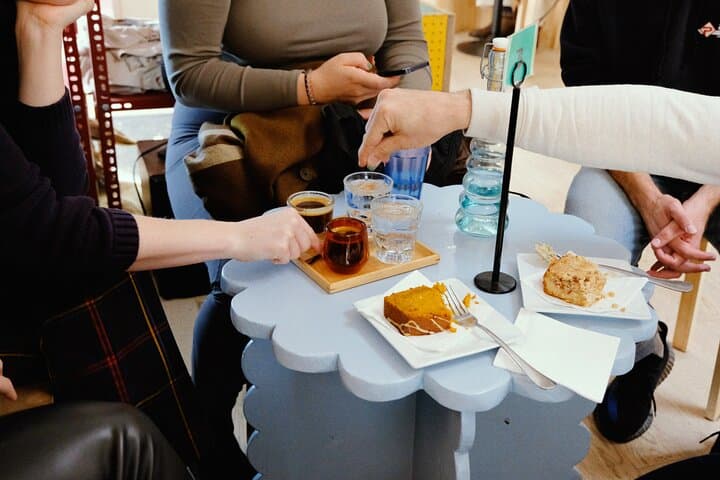
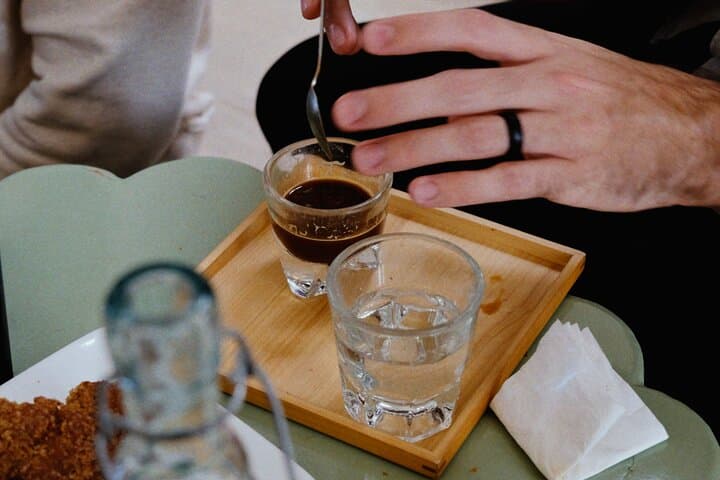
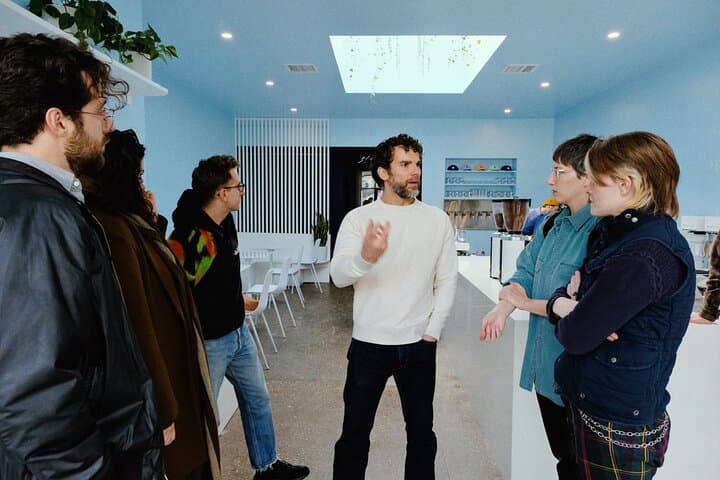
The walk begins at the Morgan Avenue L stop, where steam from subway grates mixes with the sharp, sweet pull of espresso. Guides lead small groups down side streets toward compact cafés that look like converted workspaces — metal stools, exposed brick, grinders that hum like small machines of ceremony. Each stop offers a framed story: a roaster's origin, a barista's competition lineage, a sustainability shop tucked between a bike repair and a bodega.
The walk begins at the Morgan Avenue L stop, where steam from subway grates mixes with the sharp, sweet pull of espresso. Guides lead small groups down side streets toward compact cafés that look like converted workspaces — metal stools, exposed brick, grinders that hum like small machines of ceremony. Each stop offers a framed story: a roaster's origin, a barista's competition lineage, a sustainability shop tucked between a bike repair and a bodega.
Brooklyn’s coffee culture sits atop an industrial past. Former factories and shipping warehouses along the East River gave way to artists and small roasters in the late 20th century; the third‑wave coffee movement that followed emphasizes traceability and craft, and these cafés wear that history plainly: single‑origin bags stacked beside photocopied espresso calibration notes.
Expect short walks (about 20 minutes total) between three cafés and one retail stop, with curated tastings included. The route is urban — mostly flat pavement with occasional curb cuts — and moves at café pace: attentive but conversational. Guides explain brewing methods, bean sourcing, and how roaster profiles change flavor.
Practical guidance: arrive with comfortable walking shoes and an appetite for small pours rather than full cups. Bring a transit card or accept a short ride from Union Square if coming from Manhattan. If you plan to buy beans, pack a reusable bag and space in your luggage; some roasters limit production and sell out.
This is a talkative, sensory tour for curious coffee drinkers who want context with every sip — a compact primer on why New York’s specialty scene matters and how to carry its flavors home.