THE ADVENTURE COLLECTIVE® · Independent discovery and booking for outdoor travel

Walk 47th Street with an industry guide and watch sieving, sizing, and color grading up close. This 60–90 minute tour combines hands-on diamond education with behind-the-scenes access to polishers, labs, and select vendors.
Walk 47th Street with an industry guide and watch sieving, sizing, and color grading up close. This 60–90 minute tour combines hands-on diamond education with behind-the-scenes access to polishers, labs, and select vendors.
Step off the avenue and onto 47th Street, where shop windows throw back a hard, cold light and the street itself feels like a workbench—men and women in aprons move with the quiet focus of craftsmen and merchants. The lamp-post meeting point is literal and practical; from there the tour threads past polishers, grading labs, and a clutch of storefronts where loose stones rest under glass like small constellations.
Verified experiences and guided adventures in the surrounding area.
Operated by The New York Tour Of Diamonds · New York, New York
Step off the avenue and onto 47th Street, where shop windows throw back a hard, cold light and the street itself feels like a workbench—men and women in aprons move with the quiet focus of craftsmen and merchants. The lamp-post meeting point is literal and practical; from there the tour threads past polishers, grading labs, and a clutch of storefronts where loose stones rest under glass like small constellations.
The Diamond District grew from immigrant workshops in the early 20th century into a concentrated marketplace by mid-century; decades of trade practices, family storefronts, and specialized tools shaped the neighborhood’s rhythm. Geologically the stones began their lives far beneath the Earth’s crust, brought to the surface via volcanic kimberlite; culturally the district is a crossroads of Orthodox Jewish dealers, international wholesalers, and luxury brands.
Expect short, focused stops rather than a long walk—90 minutes of close-up demonstrations on sieving, color-grading, and loupe work, plus access to a professional lab and select vendors. Guides explain the 4Cs and how lab-created stones compare to mined diamonds, and in some cases visitors receive a complimentary lab-created gem.
Practical notes: comfortable shoes matter more than hiking boots; transactions are possible but bring photo ID and confirm certificates before purchasing. The area is wheelchair accessible and well served by subway; peak hours are midday weekdays when workshops are busiest. Ask questions, watch demonstrations, and take photos where allowed, but respect security procedures—this is a working trade district, not a showroom. With a mix of history, hands-on learning, and direct industry access, this walking tour is a compact, instructive look at how diamonds move from rough to retail.
easy.
60–90 minutes.
Light walking and standing—suitable for most fitness levels
Yes — the itinerary notes wheelchair accessibility and the route is largely on sidewalk level; confirm at booking for any specific mobility needs.
Guides provide access and context; while the tour offers direct buying opportunities, reputable vendors respect your choices—always request certificates and time to consider.
The tour lists a complimentary lab-created diamond in some bookings (conditional); check your confirmation for inclusions and ask the guide how the sample is provided.
Infants in strollers are accommodated per the tour notes, but content and vendor environments are best suited to older teens and adults interested in gemology.
The cluster on 47th Street expanded after waves of 20th-century immigration and post-war trade consolidation, becoming the city’s primary diamond marketplace by mid-century.
Ask about origin documentation and consider lab-created stones to reduce mining impact; dealers increasingly provide chain-of-custody paperwork and conflict-free assurances.
The New York Tour Of Diamonds operates guided outdoor trips and adventures with an emphasis on safety, stewardship, and memorable experiences.
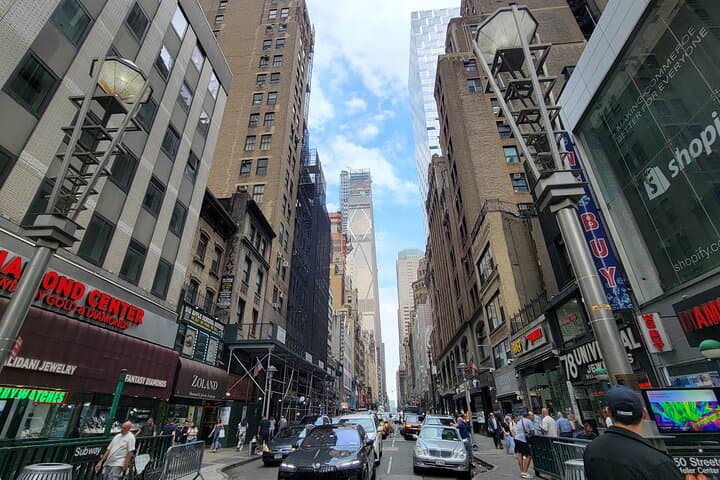
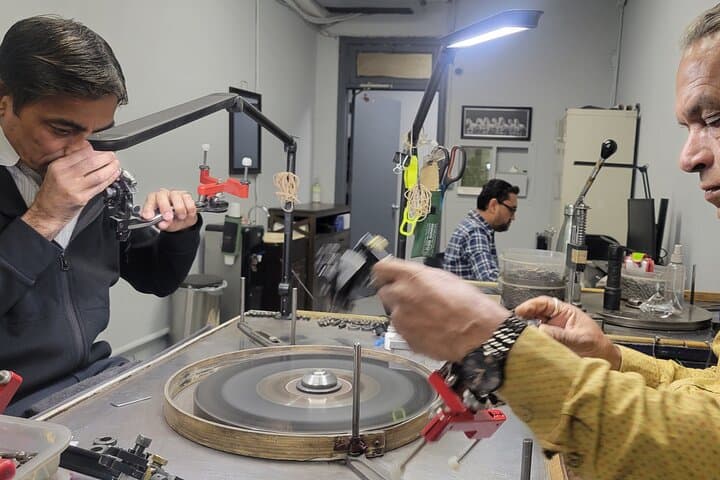


Step off the avenue and onto 47th Street, where shop windows throw back a hard, cold light and the street itself feels like a workbench—men and women in aprons move with the quiet focus of craftsmen and merchants. The lamp-post meeting point is literal and practical; from there the tour threads past polishers, grading labs, and a clutch of storefronts where loose stones rest under glass like small constellations.
Step off the avenue and onto 47th Street, where shop windows throw back a hard, cold light and the street itself feels like a workbench—men and women in aprons move with the quiet focus of craftsmen and merchants. The lamp-post meeting point is literal and practical; from there the tour threads past polishers, grading labs, and a clutch of storefronts where loose stones rest under glass like small constellations.
The Diamond District grew from immigrant workshops in the early 20th century into a concentrated marketplace by mid-century; decades of trade practices, family storefronts, and specialized tools shaped the neighborhood’s rhythm. Geologically the stones began their lives far beneath the Earth’s crust, brought to the surface via volcanic kimberlite; culturally the district is a crossroads of Orthodox Jewish dealers, international wholesalers, and luxury brands.
Expect short, focused stops rather than a long walk—90 minutes of close-up demonstrations on sieving, color-grading, and loupe work, plus access to a professional lab and select vendors. Guides explain the 4Cs and how lab-created stones compare to mined diamonds, and in some cases visitors receive a complimentary lab-created gem.
Practical notes: comfortable shoes matter more than hiking boots; transactions are possible but bring photo ID and confirm certificates before purchasing. The area is wheelchair accessible and well served by subway; peak hours are midday weekdays when workshops are busiest. Ask questions, watch demonstrations, and take photos where allowed, but respect security procedures—this is a working trade district, not a showroom. With a mix of history, hands-on learning, and direct industry access, this walking tour is a compact, instructive look at how diamonds move from rough to retail.