THE ADVENTURE COLLECTIVE® · Independent discovery and booking for outdoor travel

A two-hour walking tour through New Orleans’ French Quarter that stitches together documented history and local folklore—from Congo Square and Marie Laveau’s house to haunted courtyards and vampire lore. Expect an atmospheric evening of architecture, true-crime anecdotes, and culturally rooted storytelling.
A two-hour walking tour through New Orleans’ French Quarter that stitches together documented history and local folklore—from Congo Square and Marie Laveau’s house to haunted courtyards and vampire lore. Expect an atmospheric evening of architecture, true-crime anecdotes, and culturally rooted storytelling.
You step out of the humid night and into Congo Square, where drumbeats and city lights seem to compete. The guide raises a lantern; the French Quarter’s ironwork and narrow streets recede into a ribbon of shadow and storytelling. Walks like this move at an easy pace, but the city’s past presses close: funerary rites, Creole neighborhoods, and rumors that refuse to be forgotten.
Verified experiences and guided adventures in the surrounding area.
Operated by Junket: New Orleans Tours and Premium Experiences · New Orleans, Louisiana
You step out of the humid night and into Congo Square, where drumbeats and city lights seem to compete. The guide raises a lantern; the French Quarter’s ironwork and narrow streets recede into a ribbon of shadow and storytelling. Walks like this move at an easy pace, but the city’s past presses close: funerary rites, Creole neighborhoods, and rumors that refuse to be forgotten.
This route threads through places tied to New Orleans’ colonial past and Afro-Caribbean influence. Congo Square was a gathering place for enslaved Africans where music and ritual survived; Marie Laveau and her descendants shaped a living voodoo tradition that blends Catholic, West African, and Caribbean elements. The built fabric—brick courtyards, oak-shaded alleys, and the cemetery stones—reflects subsidence-prone geology and a city built against the river and the marsh.
You’ll pass relics of true crime and local myth: old taverns, boutique shops selling theatrical memorabilia, and courtyards where guides point out reported hauntings. Along the way, local color creeps in—practical voodoo shops, the smell of fried food on Royal Street, and small altars tucked between stoops.
Practical notes: tours last about two hours, mostly on paved streets with some uneven brick and occasional steps. Evening temperatures can drop or remain muggy—layer and bring water. Respect private property and altars; photography is usually fine but ask before entering businesses. The best time to go is just after dusk for atmosphere and cooler temperatures. This is a walking history and folklore experience as much as a ghost story—come prepared to listen, ask questions, and keep a steady step on the city’s storied pavement.
easy.
2 hours.
Light walking on paved and brick surfaces; suitable for most fitness levels
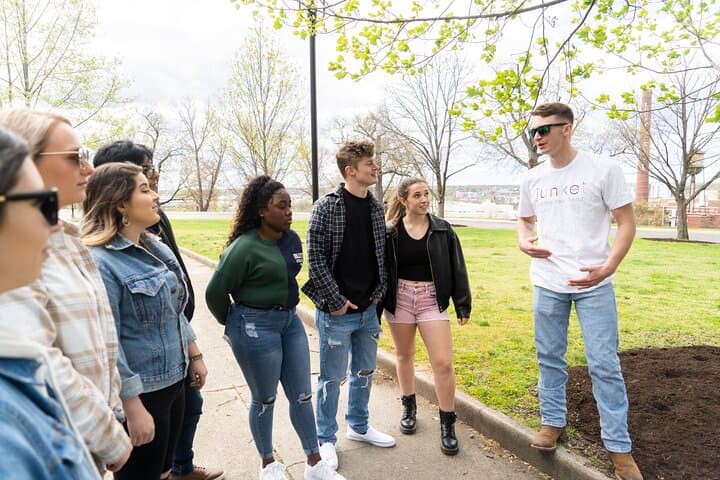
Meet at Congo Square in Louis Armstrong Park; the guide wears a US Ghost Adventures t-shirt and carries a lantern.
The tour runs about two hours at an easy walking pace with short stops; participants should be able to walk on uneven sidewalks for that time.
Children are welcome but content includes macabre and true-crime stories; service animals are allowed, but pets should not be brought on the tour.
You can cancel for a full refund if you do so at least 24 hours before the scheduled departure time.
Congo Square was a critical gathering place where enslaved Africans kept musical and ritual traditions alive; Marie Laveau codified a Creole voodoo practice that blended African, Caribbean, and Catholic elements.
Respect historic sites and private property—don’t touch altars or offerings and carry out any trash; support small local shops to keep cultural tourism sustainable.
Junket: New Orleans Tours and Premium Experiences operates guided outdoor trips and adventures with an emphasis on safety, stewardship, and memorable experiences.
You step out of the humid night and into Congo Square, where drumbeats and city lights seem to compete. The guide raises a lantern; the French Quarter’s ironwork and narrow streets recede into a ribbon of shadow and storytelling. Walks like this move at an easy pace, but the city’s past presses close: funerary rites, Creole neighborhoods, and rumors that refuse to be forgotten.
You step out of the humid night and into Congo Square, where drumbeats and city lights seem to compete. The guide raises a lantern; the French Quarter’s ironwork and narrow streets recede into a ribbon of shadow and storytelling. Walks like this move at an easy pace, but the city’s past presses close: funerary rites, Creole neighborhoods, and rumors that refuse to be forgotten.
This route threads through places tied to New Orleans’ colonial past and Afro-Caribbean influence. Congo Square was a gathering place for enslaved Africans where music and ritual survived; Marie Laveau and her descendants shaped a living voodoo tradition that blends Catholic, West African, and Caribbean elements. The built fabric—brick courtyards, oak-shaded alleys, and the cemetery stones—reflects subsidence-prone geology and a city built against the river and the marsh.
You’ll pass relics of true crime and local myth: old taverns, boutique shops selling theatrical memorabilia, and courtyards where guides point out reported hauntings. Along the way, local color creeps in—practical voodoo shops, the smell of fried food on Royal Street, and small altars tucked between stoops.
Practical notes: tours last about two hours, mostly on paved streets with some uneven brick and occasional steps. Evening temperatures can drop or remain muggy—layer and bring water. Respect private property and altars; photography is usually fine but ask before entering businesses. The best time to go is just after dusk for atmosphere and cooler temperatures. This is a walking history and folklore experience as much as a ghost story—come prepared to listen, ask questions, and keep a steady step on the city’s storied pavement.