THE ADVENTURE COLLECTIVE® · Independent discovery and booking for outdoor travel

Walk from Congo Square to Preservation Hall on a focused, two-hour exploration of New Orleans’ musical roots. Expect stories of West African ritual, Storyville parlours, J&M Studios, and live jazz at the end.
Walk from Congo Square to Preservation Hall on a focused, two-hour exploration of New Orleans’ musical roots. Expect stories of West African ritual, Storyville parlours, J&M Studios, and live jazz at the end.
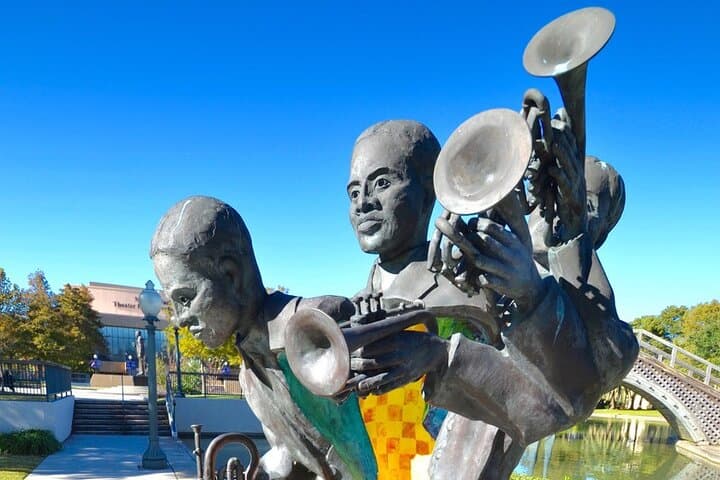
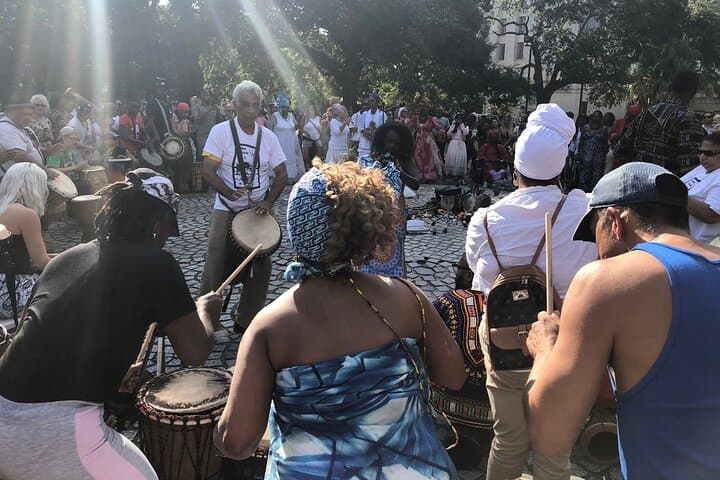
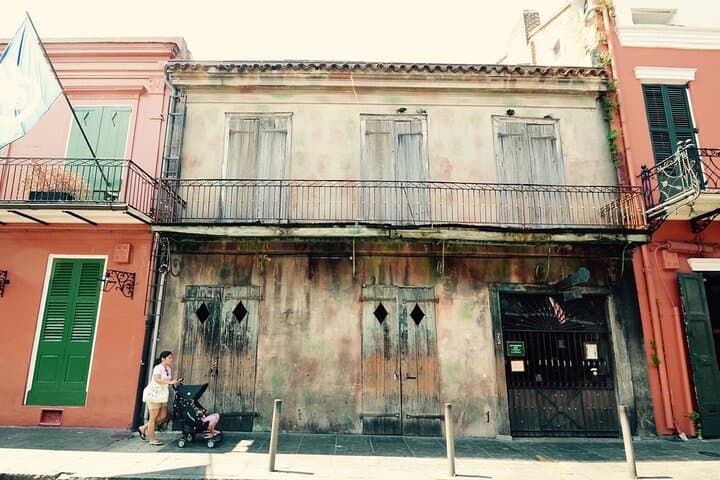
Streetlamps flicker over cracked brick as you step from Rampart Street into the pulse of New Orleans. Drums from a distant rehearsal seem to answer the river’s low rumble; the guide points toward Congo Square, where West African rhythms once pushed back the night. This two-hour walking tour threads historic sites—Congo Square, Louis Armstrong Park, Basin Street, Storyville remnants—and finishes inside the low-lit doorway of Preservation Hall.
Verified experiences and guided adventures in the surrounding area.
Operated by NOLA Historic Tours · New Orleans, Louisiana
Streetlamps flicker over cracked brick as you step from Rampart Street into the pulse of New Orleans. Drums from a distant rehearsal seem to answer the river’s low rumble; the guide points toward Congo Square, where West African rhythms once pushed back the night. This two-hour walking tour threads historic sites—Congo Square, Louis Armstrong Park, Basin Street, Storyville remnants—and finishes inside the low-lit doorway of Preservation Hall.
The guidebook of the city here reads in layers: French and Spanish colonial plots, the rise of Creole culture, and the 20th-century studio boom at J&M Studios that helped birth rhythm-and-blues and early rock’n’roll. Geologically, the city sits on deltaic soils and alluvial plains; streets slope toward the Mississippi, and the river’s presence shaped commerce, migration, and the music that rode the steamboats.
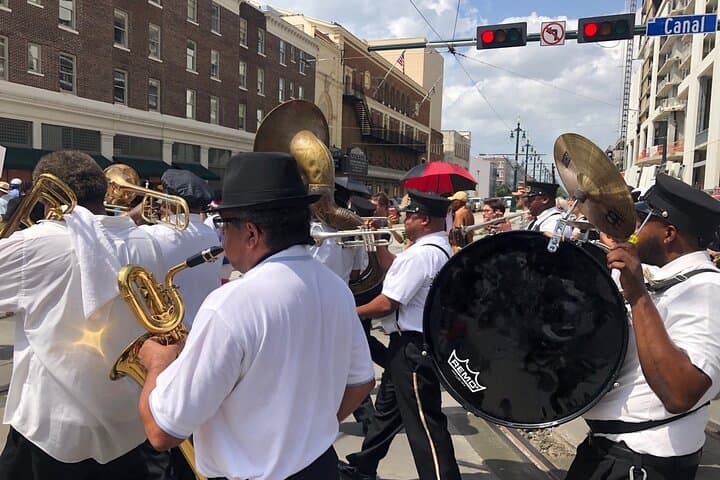
Culturally, expect stories about second-line brass bands, the social role of parlours in Storyville, and the musicians memorialized in the Musicians’ Tomb. Local color—Brass bands tuning, economic struggles, resilience—threads every stop.
Practical guidance: this is a mostly-flat urban walk of about 1.5–2 miles over two hours; comfortable walking shoes and sun protection matter more than technical gear. The route is wheelchair accessible in sections but includes narrow sidewalks and occasional crowds during festivals. Bring water, arrive 10 minutes early to meet at the Rampart Treehouse entrance, and save time after the tour to hear live music nearby. This tour is ideal for anyone curious about how place shaped sound and how sound still animates the streets of New Orleans.
easy.
2 hours.
Moderate—able to stand and walk 1.5–2 miles with short stops; not strenuous.
The guided route lasts about two hours and covers roughly 1.5–2 miles with multiple short stops.
Many stops and pathways are wheelchair accessible, but some sidewalks are narrow and cobblestoned—contact the operator for specific accessibility needs.
The tour ends at Preservation Hall; entry policies vary—this tour finishes at the venue but does not include formal admission to scheduled concerts.
Yes—guides in New Orleans frequently rely on tips; plan on a gratuity based on the value you received.
Congo Square was a legal gathering place in the 18th and 19th centuries where enslaved and free people maintained African musical and dance traditions that heavily influenced jazz.
Protecting cultural sites means staying on sidewalks, respecting memorials like the Musicians’ Tomb, and minimizing noise and litter in public parks to preserve the experience for residents and visitors.
NOLA Historic Tours operates guided outdoor trips and adventures with an emphasis on safety, stewardship, and memorable experiences.
Streetlamps flicker over cracked brick as you step from Rampart Street into the pulse of New Orleans. Drums from a distant rehearsal seem to answer the river’s low rumble; the guide points toward Congo Square, where West African rhythms once pushed back the night. This two-hour walking tour threads historic sites—Congo Square, Louis Armstrong Park, Basin Street, Storyville remnants—and finishes inside the low-lit doorway of Preservation Hall.
Streetlamps flicker over cracked brick as you step from Rampart Street into the pulse of New Orleans. Drums from a distant rehearsal seem to answer the river’s low rumble; the guide points toward Congo Square, where West African rhythms once pushed back the night. This two-hour walking tour threads historic sites—Congo Square, Louis Armstrong Park, Basin Street, Storyville remnants—and finishes inside the low-lit doorway of Preservation Hall.
The guidebook of the city here reads in layers: French and Spanish colonial plots, the rise of Creole culture, and the 20th-century studio boom at J&M Studios that helped birth rhythm-and-blues and early rock’n’roll. Geologically, the city sits on deltaic soils and alluvial plains; streets slope toward the Mississippi, and the river’s presence shaped commerce, migration, and the music that rode the steamboats.
Culturally, expect stories about second-line brass bands, the social role of parlours in Storyville, and the musicians memorialized in the Musicians’ Tomb. Local color—Brass bands tuning, economic struggles, resilience—threads every stop.
Practical guidance: this is a mostly-flat urban walk of about 1.5–2 miles over two hours; comfortable walking shoes and sun protection matter more than technical gear. The route is wheelchair accessible in sections but includes narrow sidewalks and occasional crowds during festivals. Bring water, arrive 10 minutes early to meet at the Rampart Treehouse entrance, and save time after the tour to hear live music nearby. This tour is ideal for anyone curious about how place shaped sound and how sound still animates the streets of New Orleans.