THE ADVENTURE COLLECTIVE® · Independent discovery and booking for outdoor travel

Step off Bourbon Street with an EMF in hand and walk the French Quarter after dark. This guided paranormal investigation blends local history, voodoo lore, and hands-on ghost-hunting across New Orleans’ most talked-about sites.
Step off Bourbon Street with an EMF in hand and walk the French Quarter after dark. This guided paranormal investigation blends local history, voodoo lore, and hands-on ghost-hunting across New Orleans’ most talked-about sites.
The night presses up against the iron gate of Lafitte’s Blacksmith Shop, and the guide’s voice cuts through the humid air like a flashlight beam. The French Quarter here is louder than most cities at dusk—streetcars, a brass band looping a riff, a bartender calling last calls—but the alleyways hold a different volume: a hush that seems to lean in, waiting. Guests check in, receive an EMF meter, and the tour slips off Bourbon Street into narrow lanes where gaslight-era facades keep their secrets.
Verified experiences and guided adventures in the surrounding area.
Operated by New Orleans Drunk History Tours • Show Me New Orleans Tours · New Orleans, Louisiana
The night presses up against the iron gate of Lafitte’s Blacksmith Shop, and the guide’s voice cuts through the humid air like a flashlight beam. The French Quarter here is louder than most cities at dusk—streetcars, a brass band looping a riff, a bartender calling last calls—but the alleyways hold a different volume: a hush that seems to lean in, waiting. Guests check in, receive an EMF meter, and the tour slips off Bourbon Street into narrow lanes where gaslight-era facades keep their secrets.
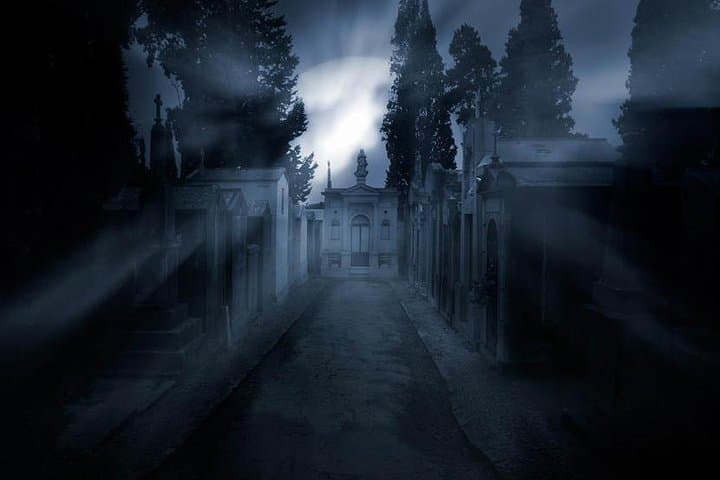
This isn’t ghost-tour theater; it’s an investigation steeped in the Quarter’s layered past. New Orleans was shaped by marsh, Mississippi silt, and centuries of immigration—French, Spanish, African, Caribbean—which created a culture where Voodoo, Catholic ritual, and Creole folklore overlap. Aboveground cemeteries, with tombs that look like miniature stone cities, speak to the city’s relationship with water and death: graves are built up because the water table refuses to let the dead rest deeper. That engineering detail alone gives many of these spots the chill that visitors report as “cold spots.”
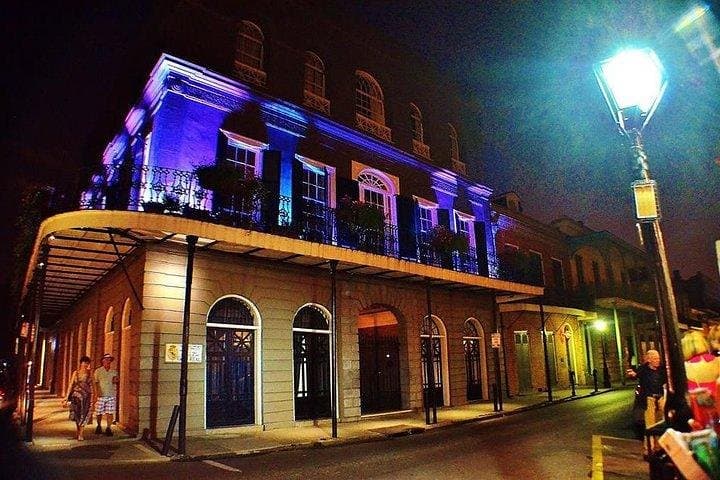
On the walk you’ll hear the recorded history—shipwrecks and yellow fever outbreaks, dueling social codes—and the local stories that grew from those events: apparitions in a courtyard, orbs on a stairwell, a lingering presence caught on film. Guides use an EMF meter to measure spikes in electromagnetic fields, explaining how stray wiring, traffic, and even cellphones can register as false positives. They also point out how folklore intersects with real places: the infamous Lalaurie house, the voodoo practices linked to Marie Laveau, and the quieter, community-rooted rituals that persist today.
Practicalities matter on a tour that threads busy streets and dim alleys. Wear closed shoes—the sidewalks are old and uneven—and bring a charged phone for contact and photos, though video recording of narrations is not allowed. The tour allows bar stops for to-go drinks and sometimes takes a slower pace when a crowd forms, so expect the two-hour window to be flexible.
For travelers who want more than thrills: arrive early and spend time in Jackson Square during daylight to contextualize the neighborhoods you’ll cross at night. Respect local residents—don’t ring doorbells or trespass—and tip your guide; these walks rely on local knowledge.
This is a city that pushes history and mystery together like two converging currents; the ghost hunt invites you to feel how hard they collide. Whether the EMF needle spikes or not, the French Quarter keeps talking—if you know how to listen.
easy.
1–2 hours.
Suitable for most fitness levels; expect 1–2 miles of mostly flat walking at a moderate pace with stops.
Meet at the courtyard gate in front of Lafitte’s Blacksmith Shop Bar at 941 Bourbon Street; the tour ends nearby in the French Quarter.
Yes—paranormal equipment is provided and guests may use it after checking it out at the start; lost or damaged equipment incurs a replacement fee.
Children are allowed but must be accompanied by an adult; note some bar stops do not admit minors and no entry inside private locations is obtained.
The operator lists wheelchair accessibility, but uneven streets may present challenges—contact the provider ahead to confirm accommodations.
Contact the operator before departure; late arrivals cannot be added once the tour departs and no refunds are given for missed check-ins.
No—tours are for entertainment and investigation; while guests have captured unusual phenomena, no sightings are guaranteed.
The French Quarter grew out of colonial French and Spanish plans and adapted aboveground burial after high water tables made in-ground graves impractical; that history feeds much local folklore.
Respect private property and residents by staying on public walkways, minimizing noise, and supporting small local bars and shops rather than trespassing into closed spaces.
New Orleans Drunk History Tours • Show Me New Orleans Tours operates guided outdoor trips and adventures with an emphasis on safety, stewardship, and memorable experiences.
The night presses up against the iron gate of Lafitte’s Blacksmith Shop, and the guide’s voice cuts through the humid air like a flashlight beam. The French Quarter here is louder than most cities at dusk—streetcars, a brass band looping a riff, a bartender calling last calls—but the alleyways hold a different volume: a hush that seems to lean in, waiting. Guests check in, receive an EMF meter, and the tour slips off Bourbon Street into narrow lanes where gaslight-era facades keep their secrets.
The night presses up against the iron gate of Lafitte’s Blacksmith Shop, and the guide’s voice cuts through the humid air like a flashlight beam. The French Quarter here is louder than most cities at dusk—streetcars, a brass band looping a riff, a bartender calling last calls—but the alleyways hold a different volume: a hush that seems to lean in, waiting. Guests check in, receive an EMF meter, and the tour slips off Bourbon Street into narrow lanes where gaslight-era facades keep their secrets.
This isn’t ghost-tour theater; it’s an investigation steeped in the Quarter’s layered past. New Orleans was shaped by marsh, Mississippi silt, and centuries of immigration—French, Spanish, African, Caribbean—which created a culture where Voodoo, Catholic ritual, and Creole folklore overlap. Aboveground cemeteries, with tombs that look like miniature stone cities, speak to the city’s relationship with water and death: graves are built up because the water table refuses to let the dead rest deeper. That engineering detail alone gives many of these spots the chill that visitors report as “cold spots.”
On the walk you’ll hear the recorded history—shipwrecks and yellow fever outbreaks, dueling social codes—and the local stories that grew from those events: apparitions in a courtyard, orbs on a stairwell, a lingering presence caught on film. Guides use an EMF meter to measure spikes in electromagnetic fields, explaining how stray wiring, traffic, and even cellphones can register as false positives. They also point out how folklore intersects with real places: the infamous Lalaurie house, the voodoo practices linked to Marie Laveau, and the quieter, community-rooted rituals that persist today.
Practicalities matter on a tour that threads busy streets and dim alleys. Wear closed shoes—the sidewalks are old and uneven—and bring a charged phone for contact and photos, though video recording of narrations is not allowed. The tour allows bar stops for to-go drinks and sometimes takes a slower pace when a crowd forms, so expect the two-hour window to be flexible.
For travelers who want more than thrills: arrive early and spend time in Jackson Square during daylight to contextualize the neighborhoods you’ll cross at night. Respect local residents—don’t ring doorbells or trespass—and tip your guide; these walks rely on local knowledge.
This is a city that pushes history and mystery together like two converging currents; the ghost hunt invites you to feel how hard they collide. Whether the EMF needle spikes or not, the French Quarter keeps talking—if you know how to listen.