THE ADVENTURE COLLECTIVE® · Independent discovery and booking for outdoor travel

Spend three hours wandering the French Quarter with a local guide, sampling Creole staples from gumbo to char-grilled oysters. This walking tour blends culinary history with authentic tastings—an efficient, delicious primer on New Orleans food culture.
Spend three hours wandering the French Quarter with a local guide, sampling Creole staples from gumbo to char-grilled oysters. This walking tour blends culinary history with authentic tastings—an efficient, delicious primer on New Orleans food culture.
The city greets you in sound and smell before you spot it: steam from a gumbo pot, the sizzle of char-grilled oysters, a street band punctuating the corner. You meet your guide at the corner of Royal and Toulouse and step into three hours of culinary history where the French Quarter’s streets act like chapters—each block a different flavor. The Mississippi, a slow, patient presence a few blocks away, pushes a humid breath across the quarter and reminds you why Cajun and Creole techniques emphasize spice and preservation.
Verified experiences and guided adventures in the surrounding area.
Operated by Destination Kitchen · New Orleans, Louisiana
The city greets you in sound and smell before you spot it: steam from a gumbo pot, the sizzle of char-grilled oysters, a street band punctuating the corner. You meet your guide at the corner of Royal and Toulouse and step into three hours of culinary history where the French Quarter’s streets act like chapters—each block a different flavor. The Mississippi, a slow, patient presence a few blocks away, pushes a humid breath across the quarter and reminds you why Cajun and Creole techniques emphasize spice and preservation.
The tour threads food with history. French, Spanish and African influences made New Orleans a crossroads; Creole cuisine grew out of port kitchens, plantation larders and immigrant pantries. Culinary geology here is cultural rather than mineral—the river brought ingredients, trade and stories. Along narrow streets lined with ironwork and centuries-old buildings, guides explain how muffulettas arrived from Sicilian bakers, why gumbo borrows West African okra, and how local oysters shaped a city economy.
Culturally, the French Quarter is both a living neighborhood and a performance stage. You’ll pass historic markets—some stalls still oriented toward seasonality—and family-owned kitchens that quietly supply the city. Guides pull back the curtain to show you spots that cookbook authors and TV shows have popularized, and they’ll point out where locals actually go when they want an authentic bite.
Practical guidance arrives as gently as a waiter with hot beignets. Plan to arrive hungry but not starving; tastings add up to a meal when combined. Wear comfortable shoes—the route covers about 1.5–2 miles of mostly flat pavement with intermittent standing. Expect humidity most months; carry water and pace yourself through rich dishes. Tell your guide about allergies before the tour starts—many classic recipes contain shellfish or pork and substitutions aren’t generally offered.
This tour isn’t just about flavors; it’s a quick primer in how food maps a city’s past and present. By the end you’ll know where to return for a full plate, which courtyards offer quieter afternoons, and how to read a menu the Crescent City way. If you want a smaller, more personal experience, upgrade to the limited 13-person option for more time with your guide and better access inside popular kitchens.
Whether you’re a seasoned eater or a curious traveler, the French Quarter tasting walk hands you a practical, flavorful introduction to New Orleans—one bite, and the city’s history becomes unmistakably edible.
easy.
3 hours.
Lightly active—able to stand and walk 1.5–2 miles with short stops
Yes—tastings at multiple French Quarter venues are included and typically amount to a meal’s worth of food.
You should inform the operator of true food allergies prior to the tour; substitutions are not generally available for set tastings.
Expect about 1.5–2 miles of walking over roughly three hours with frequent stops for tastings and explanation.
The tour meets at Roux Royale on the corner of Royal and Toulouse streets in the French Quarter and ends near the French Market area.
Gratuities are not included and are appreciated—plan to tip based on service, similar to restaurant standards.
Yes—this tour is listed as wheelchair accessible, though cobblestones and crowding can be a factor on busy days.
The French Quarter reflects layers of French, Spanish and African influence; its food evolved from ports and marketplaces where global ingredients converged.
Support small, local businesses and reduce single-use plastics; many stops prioritize local sourcing and minimizing food waste.
Destination Kitchen operates guided outdoor trips and adventures with an emphasis on safety, stewardship, and memorable experiences.
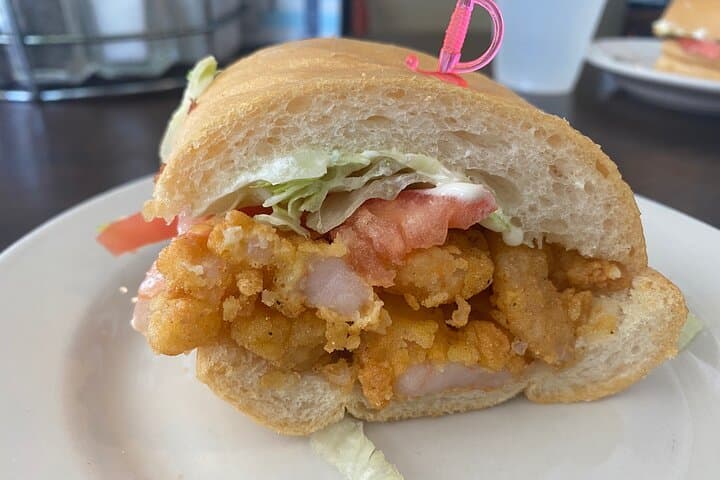
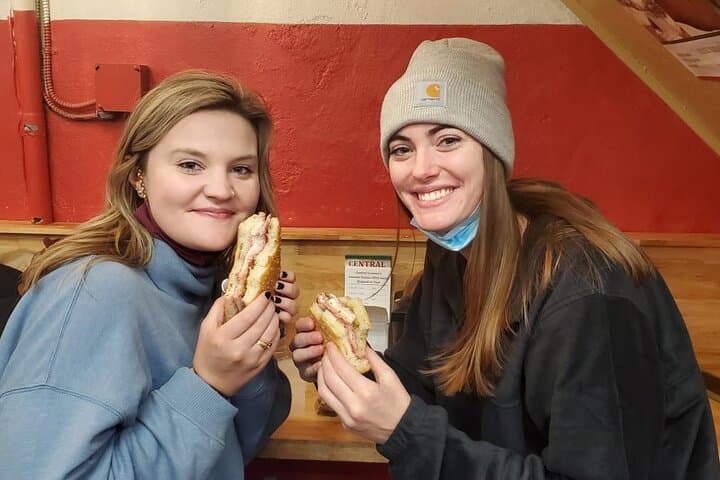
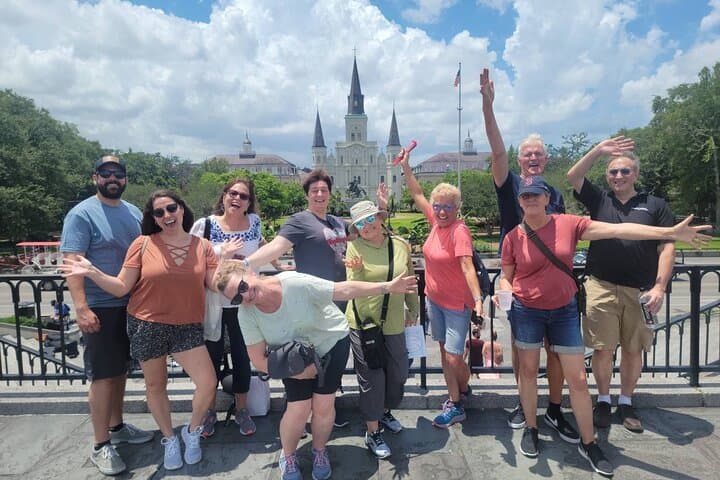
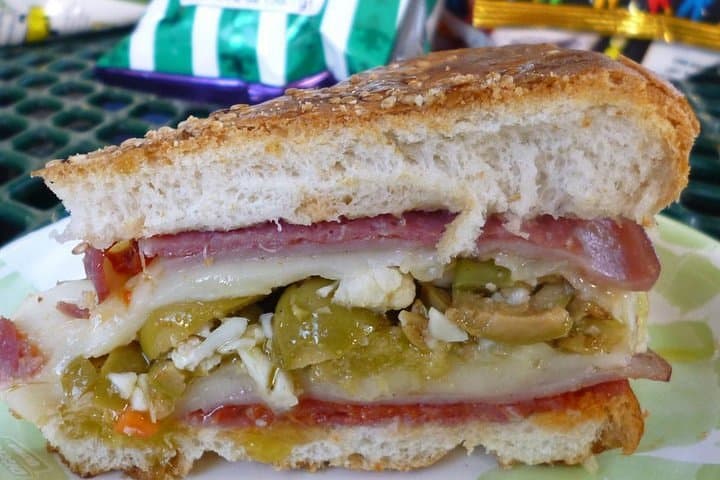
The city greets you in sound and smell before you spot it: steam from a gumbo pot, the sizzle of char-grilled oysters, a street band punctuating the corner. You meet your guide at the corner of Royal and Toulouse and step into three hours of culinary history where the French Quarter’s streets act like chapters—each block a different flavor. The Mississippi, a slow, patient presence a few blocks away, pushes a humid breath across the quarter and reminds you why Cajun and Creole techniques emphasize spice and preservation.
The city greets you in sound and smell before you spot it: steam from a gumbo pot, the sizzle of char-grilled oysters, a street band punctuating the corner. You meet your guide at the corner of Royal and Toulouse and step into three hours of culinary history where the French Quarter’s streets act like chapters—each block a different flavor. The Mississippi, a slow, patient presence a few blocks away, pushes a humid breath across the quarter and reminds you why Cajun and Creole techniques emphasize spice and preservation.
The tour threads food with history. French, Spanish and African influences made New Orleans a crossroads; Creole cuisine grew out of port kitchens, plantation larders and immigrant pantries. Culinary geology here is cultural rather than mineral—the river brought ingredients, trade and stories. Along narrow streets lined with ironwork and centuries-old buildings, guides explain how muffulettas arrived from Sicilian bakers, why gumbo borrows West African okra, and how local oysters shaped a city economy.
Culturally, the French Quarter is both a living neighborhood and a performance stage. You’ll pass historic markets—some stalls still oriented toward seasonality—and family-owned kitchens that quietly supply the city. Guides pull back the curtain to show you spots that cookbook authors and TV shows have popularized, and they’ll point out where locals actually go when they want an authentic bite.
Practical guidance arrives as gently as a waiter with hot beignets. Plan to arrive hungry but not starving; tastings add up to a meal when combined. Wear comfortable shoes—the route covers about 1.5–2 miles of mostly flat pavement with intermittent standing. Expect humidity most months; carry water and pace yourself through rich dishes. Tell your guide about allergies before the tour starts—many classic recipes contain shellfish or pork and substitutions aren’t generally offered.
This tour isn’t just about flavors; it’s a quick primer in how food maps a city’s past and present. By the end you’ll know where to return for a full plate, which courtyards offer quieter afternoons, and how to read a menu the Crescent City way. If you want a smaller, more personal experience, upgrade to the limited 13-person option for more time with your guide and better access inside popular kitchens.
Whether you’re a seasoned eater or a curious traveler, the French Quarter tasting walk hands you a practical, flavorful introduction to New Orleans—one bite, and the city’s history becomes unmistakably edible.