THE ADVENTURE COLLECTIVE® · Independent discovery and booking for outdoor travel

Drive from the French Quarter into the green heart of New Orleans: Bayou St. John, Treme and City Park. This three‑hour tour blends local history, live oak avenues, cemetery lore and shoreline wildlife into a compact, photo‑ready loop.
Drive from the French Quarter into the green heart of New Orleans: Bayou St. John, Treme and City Park. This three‑hour tour blends local history, live oak avenues, cemetery lore and shoreline wildlife into a compact, photo‑ready loop.
The minivan slips out of the French Quarter and into a city that smells of coffee, cut grass and distant river water. Windows down, you feel New Orleans change—masonry gives way to wide oaks, wrought‑iron mansions line Esplanade Avenue, and the road narrows toward the ribbon of water that made the city possible: Bayou St. John. Over three hours the tour stitches together the practical and the uncanny: an ancient portage used by Indigenous groups, the haunted stones of an old cemetery, the living rituals of Treme, and a shoreline where gators and herons keep watch.
Verified experiences and guided adventures in the surrounding area.
Operated by The New Orleans Lifestyle · New Orleans, Louisiana
The minivan slips out of the French Quarter and into a city that smells of coffee, cut grass and distant river water. Windows down, you feel New Orleans change—masonry gives way to wide oaks, wrought‑iron mansions line Esplanade Avenue, and the road narrows toward the ribbon of water that made the city possible: Bayou St. John. Over three hours the tour stitches together the practical and the uncanny: an ancient portage used by Indigenous groups, the haunted stones of an old cemetery, the living rituals of Treme, and a shoreline where gators and herons keep watch.
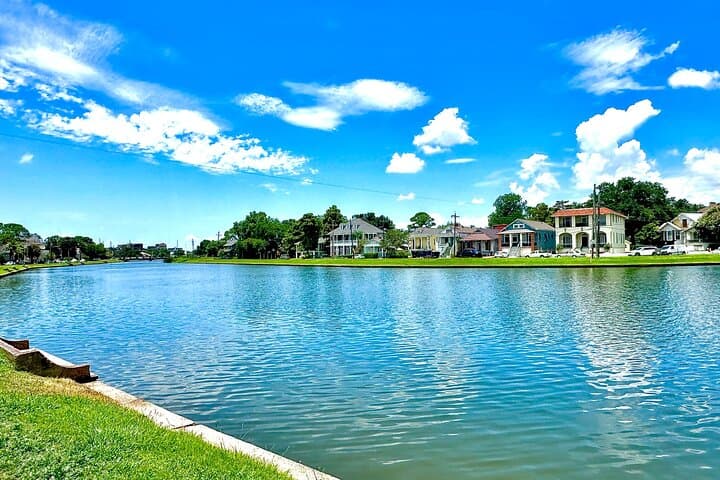
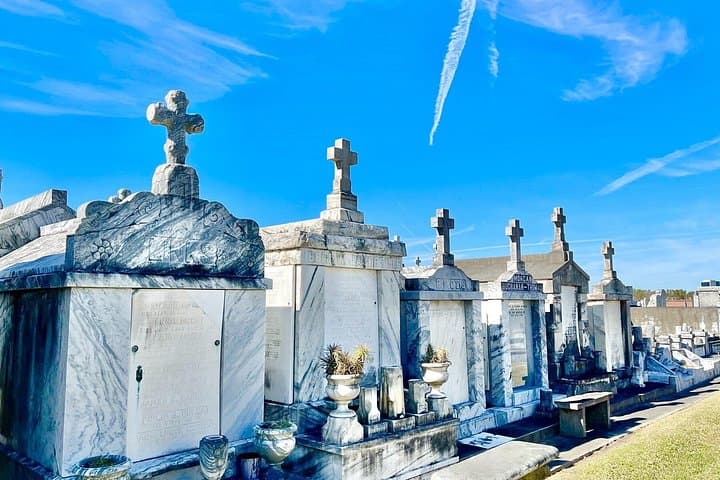
Geology and history are close companions here. Bayou St. John is a natural inlet from Lake Pontchartrain carved into coastal marshlands and higher ridges; French settlers chose this site for freshwater access and a manageable portage inland. The above‑ground tombs of the old cemeteries are a response to the city’s high water table, and Esplanade’s mansions speak to a Creole past where architecture, commerce and cultural exchange collided.
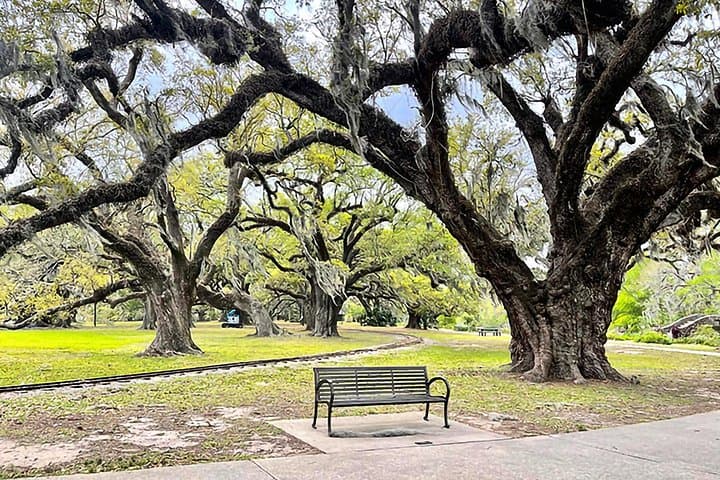
Cultural notes come fast: in Treme guides point out music, social aid clubs and the neighborhoods that forged jazz. In the Bayou St. John quarter you’ll hear about Marie Laveau—her rituals left visible traces in lore and landscape—and see one of the city’s oldest houses and an 1800s market building. City Park’s live oaks, some centuries old, create a bourbon‑barrel dimness that turns a hot afternoon cool; if you want beignets, the City Park Cafe du Monde is a scheduled stop.
Practical guidance: the tour departs from Armstrong Park on the edge of the French Quarter and lasts about three hours, covering roughly a dozen miles of city streets and short walks at stops. Expect minimal walking—most stops are 10–30 minutes—but bring sturdy shoes for uneven paths, insect repellent for the bayou edges, and a refillable water bottle. Weather can shift fast: summer thunderstorms are common and tours may cancel for heavy rain. The group size is small, and the guide will pace stops for photos, quick cemetery walks and wildlife viewing along the lakefront where the fort ruins sit.
Local etiquette matters—cemeteries are active cultural sites, not props for selfies; ask before photographing people. Don’t feed wildlife, and tip your guide if they bring history and humor to the drive. For a compact slice of New Orleans that mixes ecology, architecture and folklore, this three‑hour circuit gives a measured, memorable introduction.
easy.
3 hours.
Minimal fitness required—able to climb in/out of a vehicle and stand for short walks.
The meeting point is in front of Armstrong Park on the edge of the French Quarter; it’s about a 10–15 minute walk from Canal Street.
The tour operates from a central meeting point; the operator will text pickup details if you requested them during booking.
Walking is limited to short stops of 10–30 minutes at cemeteries, City Park and bayou viewing areas—mostly flat but sometimes uneven.
Infants in strollers are allowed, though strollers may be cumbersome on uneven surfaces; infants must sit on laps during the drive.
Expect to see great blue herons, egrets and occasionally alligators in the nature reserve and bayou fringes.
For a full refund, cancel at least 24 hours before departure; tours may be canceled for heavy rain or insufficient travelers.
Bayou St. John was a crucial freshwater route and portage used by Native peoples; the French selected nearby higher ground when founding New Orleans in the early 18th century.
Wetlands and bayou edges are fragile—stay on paths, avoid feeding wildlife, and carry out trash to protect aquatic habitats.
The New Orleans Lifestyle operates guided outdoor trips and adventures with an emphasis on safety, stewardship, and memorable experiences.

The minivan slips out of the French Quarter and into a city that smells of coffee, cut grass and distant river water. Windows down, you feel New Orleans change—masonry gives way to wide oaks, wrought‑iron mansions line Esplanade Avenue, and the road narrows toward the ribbon of water that made the city possible: Bayou St. John. Over three hours the tour stitches together the practical and the uncanny: an ancient portage used by Indigenous groups, the haunted stones of an old cemetery, the living rituals of Treme, and a shoreline where gators and herons keep watch.
The minivan slips out of the French Quarter and into a city that smells of coffee, cut grass and distant river water. Windows down, you feel New Orleans change—masonry gives way to wide oaks, wrought‑iron mansions line Esplanade Avenue, and the road narrows toward the ribbon of water that made the city possible: Bayou St. John. Over three hours the tour stitches together the practical and the uncanny: an ancient portage used by Indigenous groups, the haunted stones of an old cemetery, the living rituals of Treme, and a shoreline where gators and herons keep watch.
Geology and history are close companions here. Bayou St. John is a natural inlet from Lake Pontchartrain carved into coastal marshlands and higher ridges; French settlers chose this site for freshwater access and a manageable portage inland. The above‑ground tombs of the old cemeteries are a response to the city’s high water table, and Esplanade’s mansions speak to a Creole past where architecture, commerce and cultural exchange collided.
Cultural notes come fast: in Treme guides point out music, social aid clubs and the neighborhoods that forged jazz. In the Bayou St. John quarter you’ll hear about Marie Laveau—her rituals left visible traces in lore and landscape—and see one of the city’s oldest houses and an 1800s market building. City Park’s live oaks, some centuries old, create a bourbon‑barrel dimness that turns a hot afternoon cool; if you want beignets, the City Park Cafe du Monde is a scheduled stop.
Practical guidance: the tour departs from Armstrong Park on the edge of the French Quarter and lasts about three hours, covering roughly a dozen miles of city streets and short walks at stops. Expect minimal walking—most stops are 10–30 minutes—but bring sturdy shoes for uneven paths, insect repellent for the bayou edges, and a refillable water bottle. Weather can shift fast: summer thunderstorms are common and tours may cancel for heavy rain. The group size is small, and the guide will pace stops for photos, quick cemetery walks and wildlife viewing along the lakefront where the fort ruins sit.
Local etiquette matters—cemeteries are active cultural sites, not props for selfies; ask before photographing people. Don’t feed wildlife, and tip your guide if they bring history and humor to the drive. For a compact slice of New Orleans that mixes ecology, architecture and folklore, this three‑hour circuit gives a measured, memorable introduction.