THE ADVENTURE COLLECTIVE® · Independent discovery and booking for outdoor travel

Learn classic New Orleans cocktails with legendary bartender Chris McMillian in a 90-minute hands-on workshop. Expect technique, history, and 2–3 guided drinks while you practice stirring, shaking, and building iconic recipes.
Learn classic New Orleans cocktails with legendary bartender Chris McMillian in a 90-minute hands-on workshop. Expect technique, history, and 2–3 guided drinks while you practice stirring, shaking, and building iconic recipes.
The room hums with ice against metal and the citrus scent of lime; a low, confident voice guides a small circle around a well-worn bar. In this class, participants trade spectatorship for the bartender’s station, learning to measure, shake, and build classic New Orleans cocktails under the eye of Chris McMillian.
Verified experiences and guided adventures in the surrounding area.
The room hums with ice against metal and the citrus scent of lime; a low, confident voice guides a small circle around a well-worn bar. In this class, participants trade spectatorship for the bartender’s station, learning to measure, shake, and build classic New Orleans cocktails under the eye of Chris McMillian.
New Orleans is one of America’s foundational cocktail cities: the Sazerac and Ramos Gin Fizz were refined here amid 19th-century trade in sugar, rye, and bitters. The delta soils of the Mississippi and the Gulf’s climate shaped the region’s sugarcane and citrus industries, ingredients that became central to Creole and Cajun menus. McMillian, a noted historian and founder of the Museum of the American Cocktail, threads technique and provenance together—showing not just how to stir, but why those flavors arrived in this port city.
Expect a 90-minute, hands-on session with demonstrations, guided tastings, and time at the bar making 2–3 cocktails. The pace is practical: grammar of spirits, glassware choices, dilution and temperature. Cultural notes on Peychaud’s bitters, absinthe’s local history, and regional liqueurs appear alongside technique.
Practicalities: bring photo ID, come sober enough to learn, and plan transport afterward—New Orleans encourages responsible drinking. This class is as much about stories and context as it is about foam and flip techniques, making it an efficient, immersive primer for anyone curious about the American cocktail tradition.
easy.
90 minutes.
No special fitness required; steady on your feet for short periods is helpful
Participants must be 21 or older to take this class and to consume alcohol; a valid government-issued photo ID is required.
Expect to make and taste roughly 2–3 cocktails during the 90-minute session, with additional sips during demonstrations.
No formal dress code—business casual or comfortable clothing is fine; closed-toe shoes are recommended for behind-the-bar work.
Cancellation and refund policies depend on the booking provider; check your reservation confirmation for specific terms and timelines.
New Orleans shaped American cocktail culture: trade in sugar, coffee, and spices, plus Creole hospitality, produced cocktails like the Sazerac and Ramos Gin Fizz in the 19th century.
Many New Orleans bars prioritize local producers and minimize waste through batch cocktails and reduced single-use plastics; coastal conservation is an ongoing regional issue affecting ingredient sources.
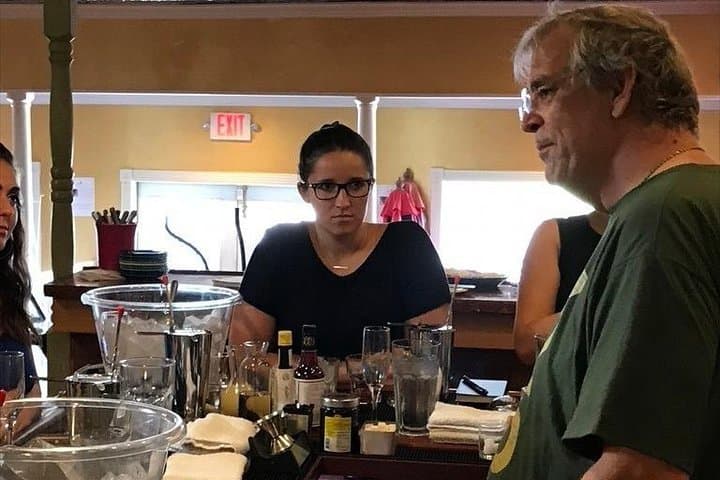
The room hums with ice against metal and the citrus scent of lime; a low, confident voice guides a small circle around a well-worn bar. In this class, participants trade spectatorship for the bartender’s station, learning to measure, shake, and build classic New Orleans cocktails under the eye of Chris McMillian.
The room hums with ice against metal and the citrus scent of lime; a low, confident voice guides a small circle around a well-worn bar. In this class, participants trade spectatorship for the bartender’s station, learning to measure, shake, and build classic New Orleans cocktails under the eye of Chris McMillian.
New Orleans is one of America’s foundational cocktail cities: the Sazerac and Ramos Gin Fizz were refined here amid 19th-century trade in sugar, rye, and bitters. The delta soils of the Mississippi and the Gulf’s climate shaped the region’s sugarcane and citrus industries, ingredients that became central to Creole and Cajun menus. McMillian, a noted historian and founder of the Museum of the American Cocktail, threads technique and provenance together—showing not just how to stir, but why those flavors arrived in this port city.
Expect a 90-minute, hands-on session with demonstrations, guided tastings, and time at the bar making 2–3 cocktails. The pace is practical: grammar of spirits, glassware choices, dilution and temperature. Cultural notes on Peychaud’s bitters, absinthe’s local history, and regional liqueurs appear alongside technique.
Practicalities: bring photo ID, come sober enough to learn, and plan transport afterward—New Orleans encourages responsible drinking. This class is as much about stories and context as it is about foam and flip techniques, making it an efficient, immersive primer for anyone curious about the American cocktail tradition.