THE ADVENTURE COLLECTIVE® · Independent discovery and booking for outdoor travel

See India’s Golden Triangle in three privately guided days: sunrise at the Taj, red-sandstone forts of Agra, and Jaipur’s hilltop Amber Fort. This practical guide outlines what to expect — travel times, cultural context, and the best times to visit.
See India’s Golden Triangle in three privately guided days: sunrise at the Taj, red-sandstone forts of Agra, and Jaipur’s hilltop Amber Fort. This practical guide outlines what to expect — travel times, cultural context, and the best times to visit.
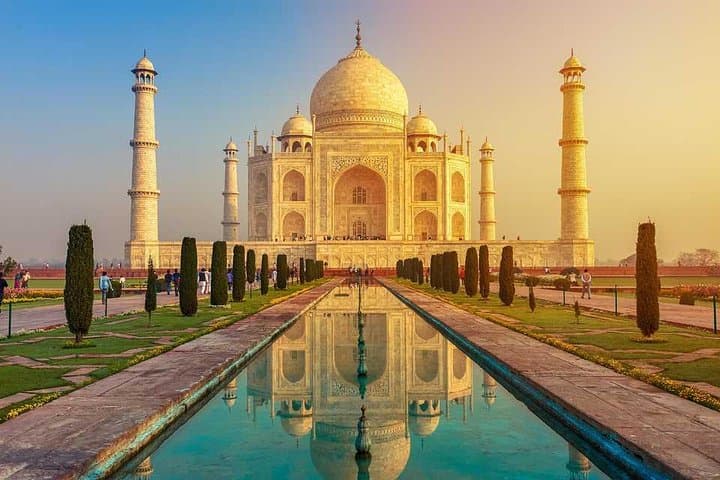
Dawn on the Yamuna, the Taj Mahal’s marble face cool and pale as the sun rises — that first sight sets the pace for a three-day sweep through northern India’s most visited heritage corridor. The route stitches together Delhi’s imperial avenues, Agra’s Mughal masterpieces and Jaipur’s hilltop forts, moving from broad city boulevards into open plains and ochre sandstone ramps.
Verified experiences and guided adventures in the surrounding area.
Operated by Agra Taj Tour · New Delhi, Delhi
Dawn on the Yamuna, the Taj Mahal’s marble face cool and pale as the sun rises — that first sight sets the pace for a three-day sweep through northern India’s most visited heritage corridor. The route stitches together Delhi’s imperial avenues, Agra’s Mughal masterpieces and Jaipur’s hilltop forts, moving from broad city boulevards into open plains and ochre sandstone ramps.
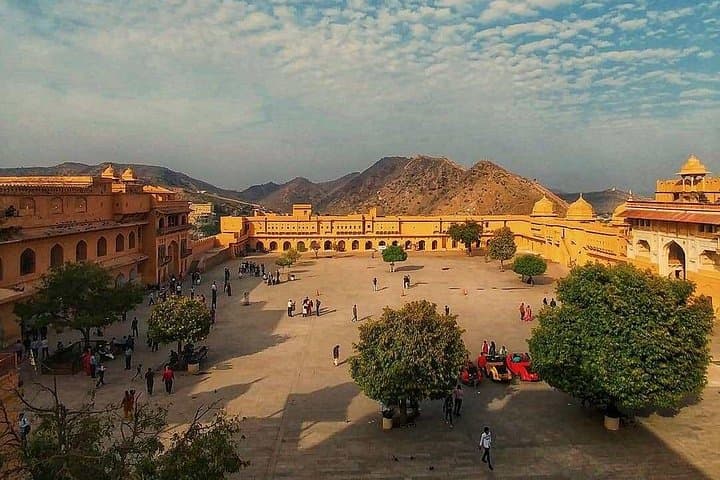
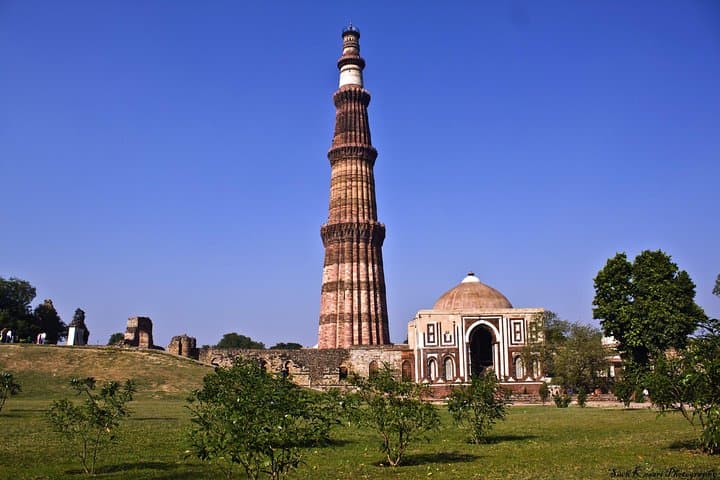
This loop follows layers of history: Qutub Minar’s 12th-century tower and Humayun’s UNESCO-listed garden tomb in Delhi; Shah Jahan’s white-marble Taj and the red-sandstone Agra Fort; and Akbar’s short-lived capital at Fatehpur Sikri a short drive west. In Jaipur, Rajput architecture—Amber Fort’s carved halls and Jantar Mantar’s astronomical instruments—leans into the pink-painted cityscape started in the 19th century.
Expect mostly paved roads between cities (Delhi–Agra ~230 km, 3.5–4 hours; Agra–Jaipur ~240 km, 4–5 hours); walking at sites ranges from courtyard strolls to uneven fort steps. Cultural notes: modest dress in monuments, brisk bargaining in bazaars, and local guides who unpack the layered Mughal–Rajput story.
Practical edge: plan the Taj at sunrise to avoid crowds; carry water and sun protection; wear shoes for cobbled ramps and steps; allow time for short drives to outlying sites like Fatehpur Sikri or Mehtab Bagh. The itinerary favors travelers who want curated history with private transport and two hotel nights, balancing meaningful site visits with manageable travel days.
easy.
3 days.
Light walking ability; able to manage several short walks and stairs over three days while riding between cities.
This tour listing shows admission not included for most sites; confirm with the operator which tickets are covered or if you should purchase on arrival.
Private guides typically speak English and often Hindi; request a specific language at booking if needed.
The tour is physically easy but includes stairs and early starts; it’s generally suitable for families and older travelers who can handle short walks.
Expect 3.5–5 hour drives between cities (Delhi–Agra ~3.5–4 hrs; Agra–Jaipur ~4–5 hrs), broken up by stops at monuments and viewpoints.
The route maps Mughal and Rajput power: Akbar built Fatehpur Sikri in the 16th century; Shah Jahan later commissioned the Taj as a mausoleum for Mumtaz Mahal.
Heritage sites contend with pollution and visitor wear—stick to marked paths and avoid touching marble surfaces; use refillable bottles where possible to reduce plastic waste.
Agra Taj Tour operates guided outdoor trips and adventures with an emphasis on safety, stewardship, and memorable experiences.
Dawn on the Yamuna, the Taj Mahal’s marble face cool and pale as the sun rises — that first sight sets the pace for a three-day sweep through northern India’s most visited heritage corridor. The route stitches together Delhi’s imperial avenues, Agra’s Mughal masterpieces and Jaipur’s hilltop forts, moving from broad city boulevards into open plains and ochre sandstone ramps.
Dawn on the Yamuna, the Taj Mahal’s marble face cool and pale as the sun rises — that first sight sets the pace for a three-day sweep through northern India’s most visited heritage corridor. The route stitches together Delhi’s imperial avenues, Agra’s Mughal masterpieces and Jaipur’s hilltop forts, moving from broad city boulevards into open plains and ochre sandstone ramps.
This loop follows layers of history: Qutub Minar’s 12th-century tower and Humayun’s UNESCO-listed garden tomb in Delhi; Shah Jahan’s white-marble Taj and the red-sandstone Agra Fort; and Akbar’s short-lived capital at Fatehpur Sikri a short drive west. In Jaipur, Rajput architecture—Amber Fort’s carved halls and Jantar Mantar’s astronomical instruments—leans into the pink-painted cityscape started in the 19th century.
Expect mostly paved roads between cities (Delhi–Agra ~230 km, 3.5–4 hours; Agra–Jaipur ~240 km, 4–5 hours); walking at sites ranges from courtyard strolls to uneven fort steps. Cultural notes: modest dress in monuments, brisk bargaining in bazaars, and local guides who unpack the layered Mughal–Rajput story.
Practical edge: plan the Taj at sunrise to avoid crowds; carry water and sun protection; wear shoes for cobbled ramps and steps; allow time for short drives to outlying sites like Fatehpur Sikri or Mehtab Bagh. The itinerary favors travelers who want curated history with private transport and two hotel nights, balancing meaningful site visits with manageable travel days.