THE ADVENTURE COLLECTIVE® · Independent discovery and booking for outdoor travel

See the Taj at sunrise, walk Mughal forts and Jaipur’s royal courts on a private three-day loop from Delhi. This concise guide explains what you’ll see, how long drives take, and practical tips to get the most out of the Golden Triangle.
See the Taj at sunrise, walk Mughal forts and Jaipur’s royal courts on a private three-day loop from Delhi. This concise guide explains what you’ll see, how long drives take, and practical tips to get the most out of the Golden Triangle.
You step from an air-conditioned car onto river-washed paving as first light finds the Taj Mahal; the marble breathes color and the crowd thins to whispers. The route threads India’s northern plains—the Yamuna pushing past Agra, the red sandstone of Fatehpur Sikri catching light, Jaipur’s pink facades sitting against scrubby Aravalli foothills. Drivers, guides and well-timed departures shape the rhythm of the days.
Verified experiences and guided adventures in the surrounding area.
Operated by Atul Holidays · New Delhi, Delhi
You step from an air-conditioned car onto river-washed paving as first light finds the Taj Mahal; the marble breathes color and the crowd thins to whispers. The route threads India’s northern plains—the Yamuna pushing past Agra, the red sandstone of Fatehpur Sikri catching light, Jaipur’s pink facades sitting against scrubby Aravalli foothills. Drivers, guides and well-timed departures shape the rhythm of the days.
This three-day loop covers three eras of Mughal and Rajput power: the imperial gardens and tombcraft of Humayun’s Tomb and the Taj, Akbar’s fortress logic at Agra Fort and Fatehpur Sikri, then the city planning and observatory instruments of Jaipur’s Jantar Mantar and the decorative courts of City Palace.
Geology is subtle but present—white Makrana marble at the Taj, local red sandstone in Agra and Fatehpur Sikri, and Jaipur’s sandstone and laterite sitting on the Aravalli’s edge. Cultural notes arrive as market calls, Rajasthani textiles and the aroma of street chaat; respectful dress and quiet in religious sites matters.
Practical guidance: expect early starts and 3–5 hour driving blocks (Delhi–Agra via Yamuna Expressway ~3 hours; Agra–Jaipur with a Fatehpur Sikri stop ~4 hours). Sunrise at the Taj is worth the alarm; plan sunscreen, comfortable walking shoes and a small cash reserve for local purchases. The tour uses a private AC vehicle with local guides at each monument and hotel transfers included, so focus on timing—book museum or guided entry windows in advance and carry passport IDs for monument tickets.
easy.
3 days.
Suitable for travelers in normal physical health; involves walking on paved paths and steps at monuments.
The itinerary schedules a sunrise visit to the Taj Mahal—this offers cooler temperatures and softer light; expect early pickup from your hotel.
Private local guides at main sites are included; confirm whether monument entrance fees are covered in your selected booking option before travel.
Typical driving times: Delhi to Agra via Yamuna Expressway ~3 hours; Agra to Jaipur with a Fatehpur Sikri stop ~4 hours; Jaipur back to Delhi ~5–6 hours depending on traffic and breaks.
Yes—it's classified as physically easy with private vehicle transfers and moderate walking; inform the operator of mobility needs when booking.
The route maps power shifts from Mughal imperial centers (Taj, Agra Fort) to Akbar’s court at Fatehpur Sikri and the planned Rajput capital of Jaipur founded in the 18th century.
High visitor numbers stress fragile sites—stick to marked paths, avoid touching stonework, and use refillable water bottles to reduce plastic waste.
Atul Holidays operates guided outdoor trips and adventures with an emphasis on safety, stewardship, and memorable experiences.
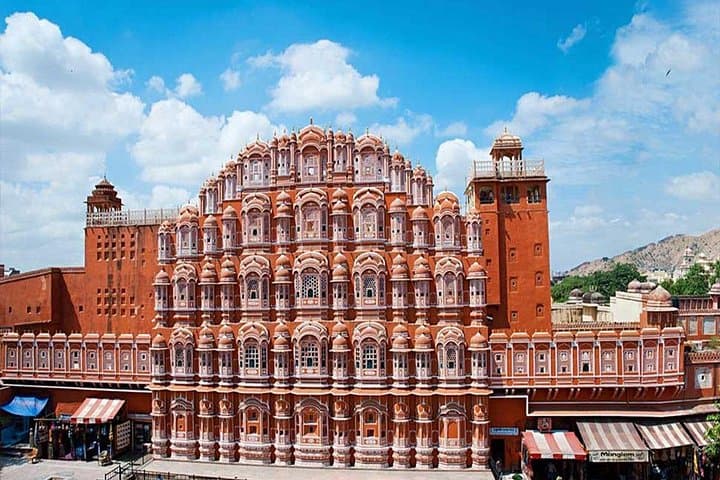
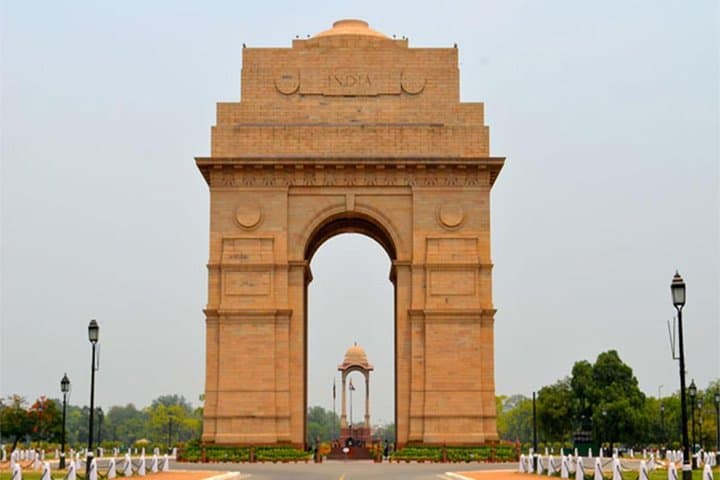
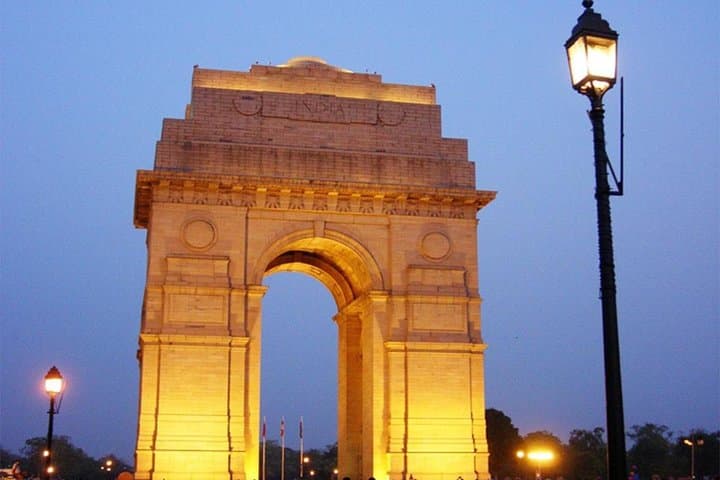

You step from an air-conditioned car onto river-washed paving as first light finds the Taj Mahal; the marble breathes color and the crowd thins to whispers. The route threads India’s northern plains—the Yamuna pushing past Agra, the red sandstone of Fatehpur Sikri catching light, Jaipur’s pink facades sitting against scrubby Aravalli foothills. Drivers, guides and well-timed departures shape the rhythm of the days.
You step from an air-conditioned car onto river-washed paving as first light finds the Taj Mahal; the marble breathes color and the crowd thins to whispers. The route threads India’s northern plains—the Yamuna pushing past Agra, the red sandstone of Fatehpur Sikri catching light, Jaipur’s pink facades sitting against scrubby Aravalli foothills. Drivers, guides and well-timed departures shape the rhythm of the days.
This three-day loop covers three eras of Mughal and Rajput power: the imperial gardens and tombcraft of Humayun’s Tomb and the Taj, Akbar’s fortress logic at Agra Fort and Fatehpur Sikri, then the city planning and observatory instruments of Jaipur’s Jantar Mantar and the decorative courts of City Palace.
Geology is subtle but present—white Makrana marble at the Taj, local red sandstone in Agra and Fatehpur Sikri, and Jaipur’s sandstone and laterite sitting on the Aravalli’s edge. Cultural notes arrive as market calls, Rajasthani textiles and the aroma of street chaat; respectful dress and quiet in religious sites matters.
Practical guidance: expect early starts and 3–5 hour driving blocks (Delhi–Agra via Yamuna Expressway ~3 hours; Agra–Jaipur with a Fatehpur Sikri stop ~4 hours). Sunrise at the Taj is worth the alarm; plan sunscreen, comfortable walking shoes and a small cash reserve for local purchases. The tour uses a private AC vehicle with local guides at each monument and hotel transfers included, so focus on timing—book museum or guided entry windows in advance and carry passport IDs for monument tickets.