THE ADVENTURE COLLECTIVE® · Independent discovery and booking for outdoor travel

Travel Delhi’s monuments, Jaipur’s palaces, and the Taj Mahal in Agra on a private six-day circuit. This guided Golden Triangle tour pairs AC transfers with local guides and monument entries for a concise, culture-rich introduction to northern India.
Travel Delhi’s monuments, Jaipur’s palaces, and the Taj Mahal in Agra on a private six-day circuit. This guided Golden Triangle tour pairs AC transfers with local guides and monument entries for a concise, culture-rich introduction to northern India.
You step from the air-conditioned vehicle into a Delhi morning where traffic hums like a living map and the scent of spice stalls threads through the air. The city’s stone and glass give way to pink sandstone in Jaipur and then to the pale marble of the Taj Mahal, each city offering a distinct cadence of color, sound, and scale.
Verified experiences and guided adventures in the surrounding area.
Operated by Services International Ltd. · New Delhi, Delhi
You step from the air-conditioned vehicle into a Delhi morning where traffic hums like a living map and the scent of spice stalls threads through the air. The city’s stone and glass give way to pink sandstone in Jaipur and then to the pale marble of the Taj Mahal, each city offering a distinct cadence of color, sound, and scale.
The Golden Triangle links sites shaped by Mughal and Rajput power: Qutub Minar’s carved masonry, Humayun’s tomb’s Persian gardens, the Hawa Mahal’s lattice façade, and Shah Jahan’s Taj—built on the Yamuna’s bank as both tomb and public statement. Geologically the region sits on the Indo-Gangetic plains—flat, alluvial ground that kept these empires centered along river corridors and trade routes.
Culturally the route is a study in contrast: Delhi’s colonial and modern institutions, Jaipur’s planned grid and royal family presence, Agra’s monumentality and artisan markets. Local guides translate architecture and ritual into readable stories and point out small details—stone inlays, astronomical devices at Jantar Mantar, and market specialties.
Practical guidance: this private, six-day itinerary moves by AC vehicle with daily guided sightseeing and monument entry where noted. Expect city walking on uneven pavements and stairs in forts and mausoleums; carry water and plan Taj Mahal visits outside midday heat. Early starts avoid crowds and show monuments in softer light. Bring photocopies of travel documents and comfortable shoes for sustained walking. With moderate fitness and sensible pacing, the Golden Triangle becomes an efficient, sensory-rich introduction to northern India’s history and living culture.
moderate.
6 days.
Suitable for travelers comfortable with 2–4 hours of walking per day and repeated stair climbs
The Taj Mahal is closed on Fridays; plan your visit on another day of the six-day itinerary.
Yes—this itinerary includes an air-conditioned private vehicle and driver for transfers and scheduled sightseeing.
Monument entrance fees listed in the itinerary are included and local English-speaking guides are provided for scheduled sightseeing as described.
The tour is moderate: expect city walking, stairs in forts and mausoleums, and several hours on some days—good mobility and basic fitness are recommended.
The Golden Triangle connects Mughal-era monuments and Rajput palaces built between the 12th and 17th centuries, reflecting imperial power, astronomy, and court culture.
High visitor numbers stress monuments—stick to marked paths, avoid touching marble inlays, and use licensed guides to support sustainable site management.
Services International Ltd. operates guided outdoor trips and adventures with an emphasis on safety, stewardship, and memorable experiences.
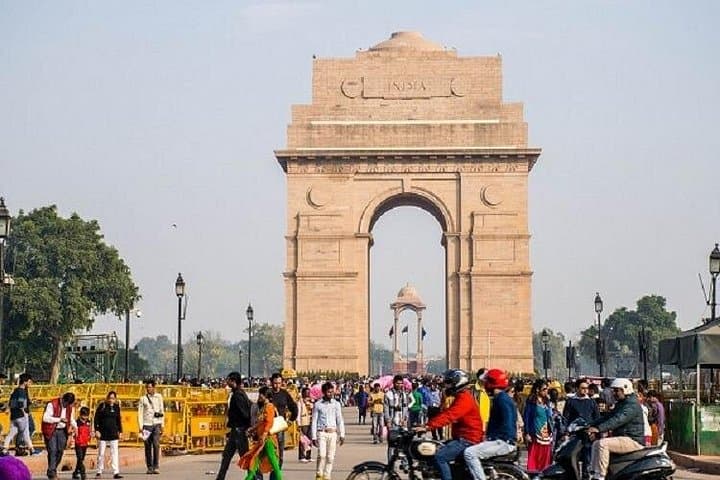
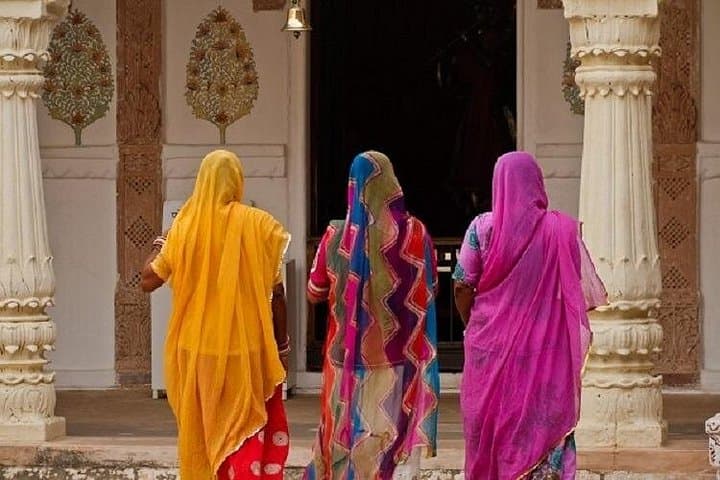
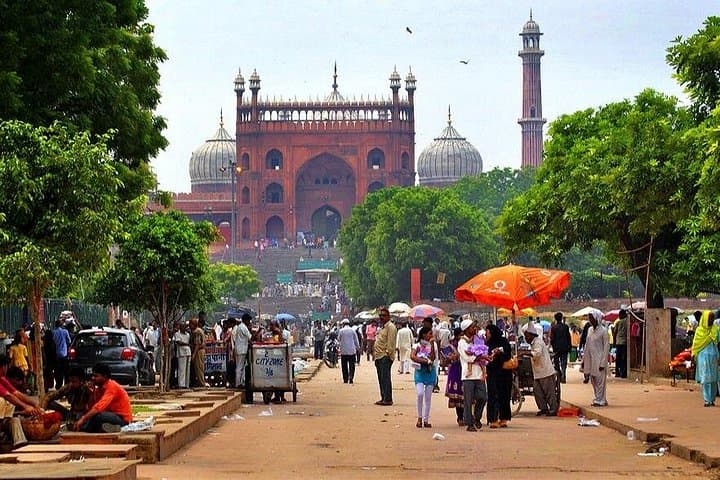
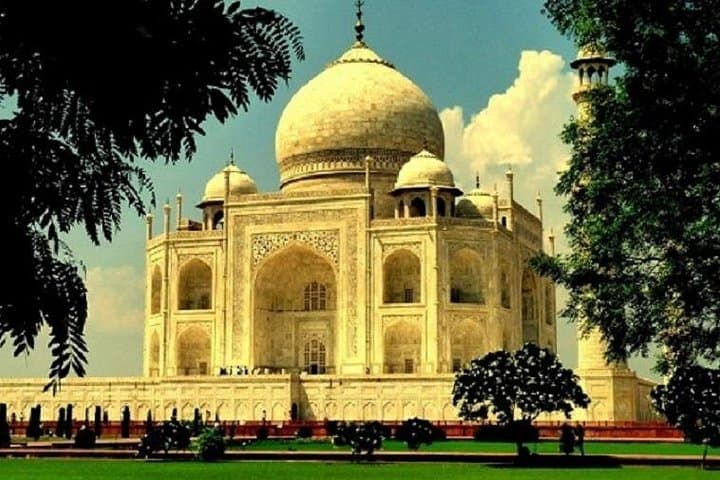
You step from the air-conditioned vehicle into a Delhi morning where traffic hums like a living map and the scent of spice stalls threads through the air. The city’s stone and glass give way to pink sandstone in Jaipur and then to the pale marble of the Taj Mahal, each city offering a distinct cadence of color, sound, and scale.
You step from the air-conditioned vehicle into a Delhi morning where traffic hums like a living map and the scent of spice stalls threads through the air. The city’s stone and glass give way to pink sandstone in Jaipur and then to the pale marble of the Taj Mahal, each city offering a distinct cadence of color, sound, and scale.
The Golden Triangle links sites shaped by Mughal and Rajput power: Qutub Minar’s carved masonry, Humayun’s tomb’s Persian gardens, the Hawa Mahal’s lattice façade, and Shah Jahan’s Taj—built on the Yamuna’s bank as both tomb and public statement. Geologically the region sits on the Indo-Gangetic plains—flat, alluvial ground that kept these empires centered along river corridors and trade routes.
Culturally the route is a study in contrast: Delhi’s colonial and modern institutions, Jaipur’s planned grid and royal family presence, Agra’s monumentality and artisan markets. Local guides translate architecture and ritual into readable stories and point out small details—stone inlays, astronomical devices at Jantar Mantar, and market specialties.
Practical guidance: this private, six-day itinerary moves by AC vehicle with daily guided sightseeing and monument entry where noted. Expect city walking on uneven pavements and stairs in forts and mausoleums; carry water and plan Taj Mahal visits outside midday heat. Early starts avoid crowds and show monuments in softer light. Bring photocopies of travel documents and comfortable shoes for sustained walking. With moderate fitness and sensible pacing, the Golden Triangle becomes an efficient, sensory-rich introduction to northern India’s history and living culture.