THE ADVENTURE COLLECTIVE® · Independent discovery and booking for outdoor travel

A brisk, cultural loop from Delhi to Agra and Jaipur that packs Mughal tombs, royal forts and bustling bazaars into four days. Ideal for first-time visitors who want curated, private transfers and sunrise at the Taj.
A brisk, cultural loop from Delhi to Agra and Jaipur that packs Mughal tombs, royal forts and bustling bazaars into four days. Ideal for first-time visitors who want curated, private transfers and sunrise at the Taj.
You step out into the early Delhi light and the city greets you with a chorus of horns, chai stalls and a sky already warming toward noon. The first day threads through Jama Masjid’s courtyard, a rickshaw-swept dash along Chandni Chowk and the grand facades of the colonial circuit before the highway unfurls toward Agra, where the marble of the Taj waits at sunrise.
Verified experiences and guided adventures in the surrounding area.
Operated by Delhi Tour Guide · New Delhi, Delhi
You step out into the early Delhi light and the city greets you with a chorus of horns, chai stalls and a sky already warming toward noon. The first day threads through Jama Masjid’s courtyard, a rickshaw-swept dash along Chandni Chowk and the grand facades of the colonial circuit before the highway unfurls toward Agra, where the marble of the Taj waits at sunrise.
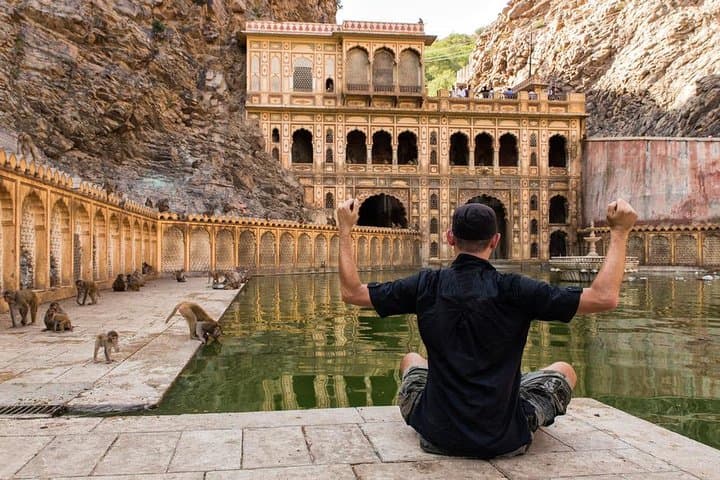
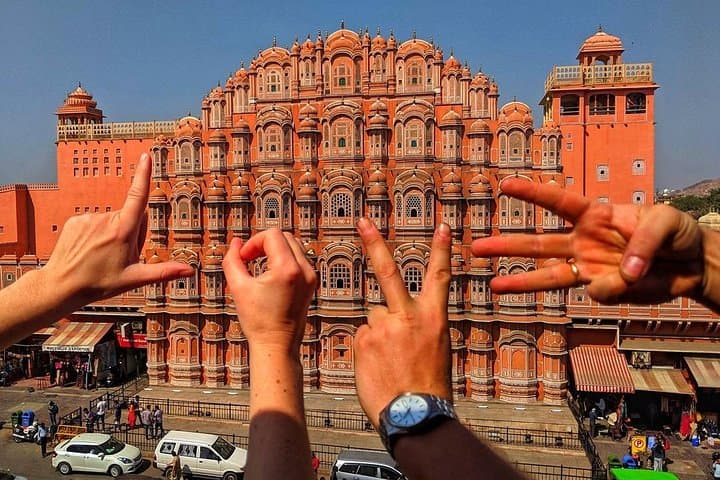
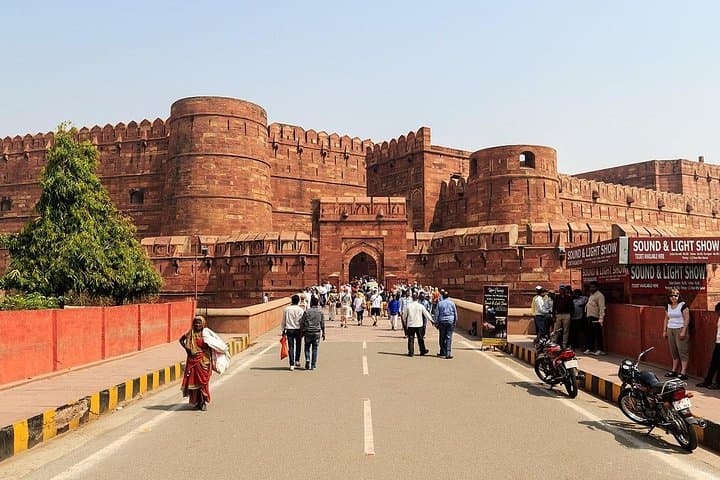
This compact loop—Delhi, Agra, Jaipur—maps centuries of Mughal and Rajput history. Qutub Minar’s red sandstone shaft marks Delhi’s medieval arrival; Fatehpur Sikri stands frozen as a deserted imperial capital; Jaipur, India’s first planned city, lays out its grid and palace facades against the Aravalli foothills. Geologically the route crosses alluvial plains with low, rounded hills near Jaipur; culturally it moves from metropolitan bustle to palace courts and market lanes pulsing with textile and craft traditions.
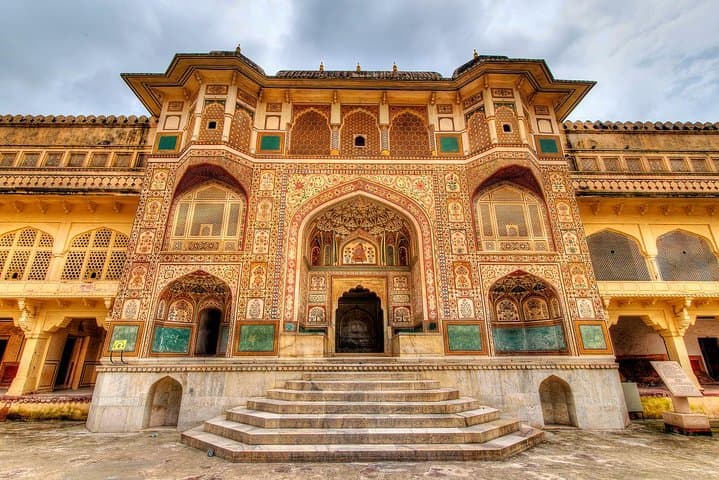
Expect paved streets and crowded bazaars, staircases at forts, and short hikes up to hilltop ramparts at Amer Fort. Driving legs: about 3–4 hours Delhi→Agra, another 4–5 hours Agra→Jaipur (including Fatehpur Sikri), and roughly 5 hours back to Delhi—so comfort in transit matters.
Practical guidance: book the Taj for sunrise to avoid mid-day heat and crowds; carry a refillable water bottle, lightweight sun protection and modest clothing for temple/monument etiquette. Keep photocopies of travel documents and small change for market purchases and rickshaws. The itinerary balances guided sightseeing with hotel rests—plan mornings for monuments and afternoons for relaxed lunches or short photo stops.
easy.
4 days.
Light fitness required—expect several hours of walking each day and short stair climbs; suitable for most travelers in reasonable health.
The tour lists monument entrance fees as included—confirm specific tickets (like Taj timed entry) with the operator at booking.
Pickup and drop-off are provided from Delhi airport, railway stations or hotels—confirm your preferred point and flight details when booking.
Yes; the itinerary is paced with hotel rests and private transfers, but it’s not recommended for travelers with serious mobility, heart or spinal issues due to stairs and walking.
Breakfasts and three dinners are included—notify the operator in advance for vegetarian, halal or allergy-specific requests.
The Golden Triangle links Mughal-era monuments in Agra and Fatehpur Sikri with Jaipur’s 18th-century planned urban design, illustrating layers of imperial and princely rule.
Heavy visitation at the Taj and other monuments has prompted timed entries and restricted zones—travelers should avoid flash photography where banned and minimize plastic waste to reduce local strain.
Delhi Tour Guide operates guided outdoor trips and adventures with an emphasis on safety, stewardship, and memorable experiences.
You step out into the early Delhi light and the city greets you with a chorus of horns, chai stalls and a sky already warming toward noon. The first day threads through Jama Masjid’s courtyard, a rickshaw-swept dash along Chandni Chowk and the grand facades of the colonial circuit before the highway unfurls toward Agra, where the marble of the Taj waits at sunrise.
You step out into the early Delhi light and the city greets you with a chorus of horns, chai stalls and a sky already warming toward noon. The first day threads through Jama Masjid’s courtyard, a rickshaw-swept dash along Chandni Chowk and the grand facades of the colonial circuit before the highway unfurls toward Agra, where the marble of the Taj waits at sunrise.
This compact loop—Delhi, Agra, Jaipur—maps centuries of Mughal and Rajput history. Qutub Minar’s red sandstone shaft marks Delhi’s medieval arrival; Fatehpur Sikri stands frozen as a deserted imperial capital; Jaipur, India’s first planned city, lays out its grid and palace facades against the Aravalli foothills. Geologically the route crosses alluvial plains with low, rounded hills near Jaipur; culturally it moves from metropolitan bustle to palace courts and market lanes pulsing with textile and craft traditions.
Expect paved streets and crowded bazaars, staircases at forts, and short hikes up to hilltop ramparts at Amer Fort. Driving legs: about 3–4 hours Delhi→Agra, another 4–5 hours Agra→Jaipur (including Fatehpur Sikri), and roughly 5 hours back to Delhi—so comfort in transit matters.
Practical guidance: book the Taj for sunrise to avoid mid-day heat and crowds; carry a refillable water bottle, lightweight sun protection and modest clothing for temple/monument etiquette. Keep photocopies of travel documents and small change for market purchases and rickshaws. The itinerary balances guided sightseeing with hotel rests—plan mornings for monuments and afternoons for relaxed lunches or short photo stops.