THE ADVENTURE COLLECTIVE® · Independent discovery and booking for outdoor travel

A single-day trek to the rim of Nevado de Toluca brings you face-to-face with two alpine crater lakes and high-altitude grasslands just two hours from Mexico City. This guided trip balances a manageable trail with thin-air challenges—perfect for hikers prepared to move slowly and enjoy commanding views.
A single-day trek to the rim of Nevado de Toluca brings you face-to-face with two alpine crater lakes and high-altitude grasslands just two hours from Mexico City. This guided trip balances a manageable trail with thin-air challenges—perfect for hikers prepared to move slowly and enjoy commanding views.
At first light the road from Mexico City climbs out of the lowland haze and the volcano’s shoulders come into view—steep, bare slopes crowned by a wide rim and two dark, glassy lakes that seem to rest inside a bowl carved by fire and ice.
Verified experiences and guided adventures in the surrounding area.
Operated by Senderismo Atepetl · Toluca, State of Mexico
At first light the road from Mexico City climbs out of the lowland haze and the volcano’s shoulders come into view—steep, bare slopes crowned by a wide rim and two dark, glassy lakes that seem to rest inside a bowl carved by fire and ice.
Nevado de Toluca (Xinantécatl) is a dormant stratovolcano whose last major activity dates to the Pleistocene; its collapse formed the wide crater that now holds the Lago del Sol and Lago de la Luna. The landscape alternates between wind-swept volcanic rock and high-altitude grasslands (zacaton) that harbor endemic species and a surprising silence compared with the valley below. Local communities around Toluca have long regarded the mountain as part of regional identity, and small restaurants at the trailhead serve the hearty food that refuels trekkers after the descent.
On this guided day trip, expect a shuttle from Mexico City, a trailhead walk that gains elevation steadily, and roughly four hours of hiking concentrated around the crater rim. Weather can change fast—sun, wind, and sudden cloud can appear in the same hour—so pacing matters more than speed at 4,600+ meters. The terrain is a mix of packed dirt, scree and occasional rock steps; route-finding is straightforward with a guide.
Practical advice: hydrate and rest the day before, wear stiff-soled boots and layered clothing, carry a personal water supply and snacks, and allow time to acclimatize if you arrive from low altitude. Respect protected areas: stay on trails, avoid disturbing vegetation, and pack out waste so the crater lakes remain the quiet highlight they are today.
moderate.
10–11 hours (including transport).
Moderately fit: able to hike 4 hours with sustained uphill sections at high altitude; avoid if you have serious cardiovascular issues.
The trail is moderate in technical difficulty but the altitude (over 4,600 m) makes it more demanding—move slowly, use your guide’s pace, and listen to your body.
No; this is a guided day hike with logistical support. Basic hiking experience and comfortable footwear are sufficient.
Late spring through early fall offers milder temperatures and reduced snow; winter can bring snow and requires winter gear and experience.
Yes—the standard route brings you to viewpoints around both Lago del Sol and Lago de la Luna, though access to the waterline can be limited by snow or protected zones.
Known locally as Xinantécatl, the volcano has long featured in regional stories; the crater lakes were formed by a volcanic collapse and glacial modification during the Pleistocene.
The crater’s alpine ecosystems are fragile and host endemic species; stay on trails, avoid trampling zacaton, and pack out all trash to reduce impact.
Senderismo Atepetl operates guided outdoor trips and adventures with an emphasis on safety, stewardship, and memorable experiences.
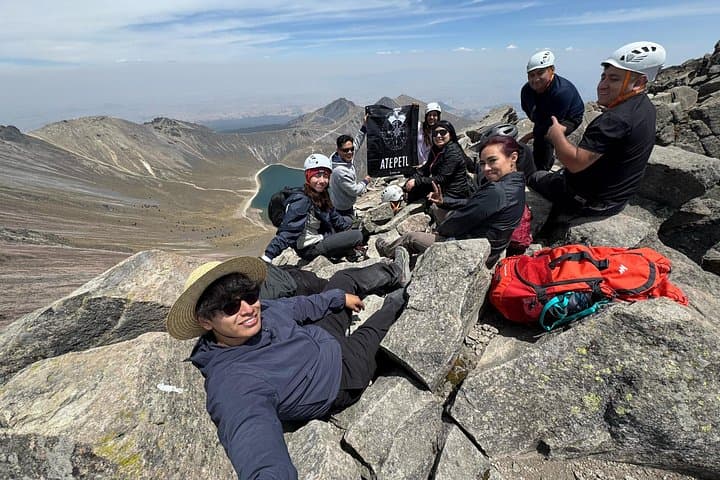
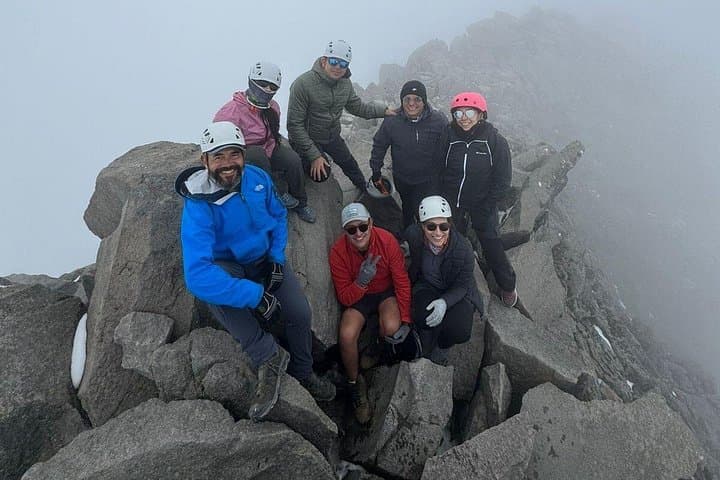
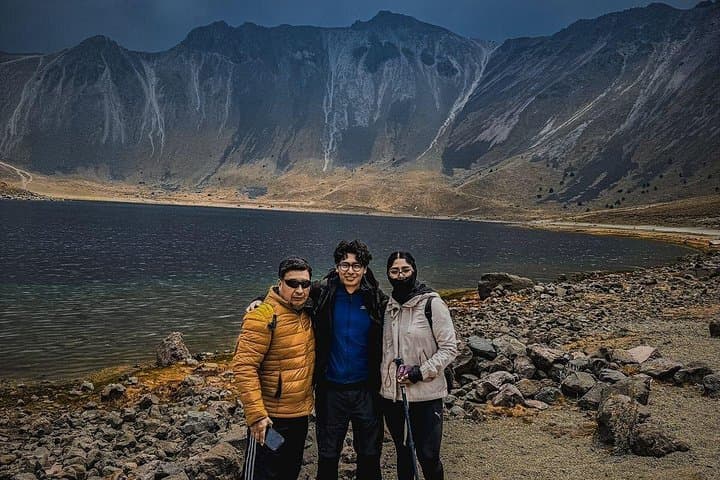
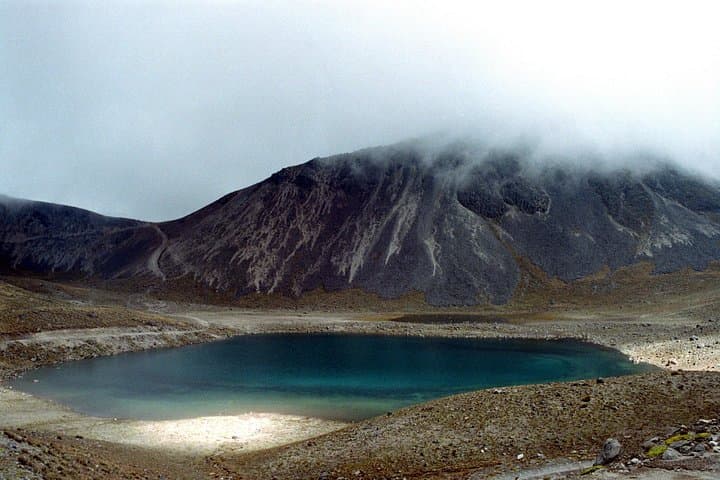
At first light the road from Mexico City climbs out of the lowland haze and the volcano’s shoulders come into view—steep, bare slopes crowned by a wide rim and two dark, glassy lakes that seem to rest inside a bowl carved by fire and ice.
At first light the road from Mexico City climbs out of the lowland haze and the volcano’s shoulders come into view—steep, bare slopes crowned by a wide rim and two dark, glassy lakes that seem to rest inside a bowl carved by fire and ice.
Nevado de Toluca (Xinantécatl) is a dormant stratovolcano whose last major activity dates to the Pleistocene; its collapse formed the wide crater that now holds the Lago del Sol and Lago de la Luna. The landscape alternates between wind-swept volcanic rock and high-altitude grasslands (zacaton) that harbor endemic species and a surprising silence compared with the valley below. Local communities around Toluca have long regarded the mountain as part of regional identity, and small restaurants at the trailhead serve the hearty food that refuels trekkers after the descent.
On this guided day trip, expect a shuttle from Mexico City, a trailhead walk that gains elevation steadily, and roughly four hours of hiking concentrated around the crater rim. Weather can change fast—sun, wind, and sudden cloud can appear in the same hour—so pacing matters more than speed at 4,600+ meters. The terrain is a mix of packed dirt, scree and occasional rock steps; route-finding is straightforward with a guide.
Practical advice: hydrate and rest the day before, wear stiff-soled boots and layered clothing, carry a personal water supply and snacks, and allow time to acclimatize if you arrive from low altitude. Respect protected areas: stay on trails, avoid disturbing vegetation, and pack out waste so the crater lakes remain the quiet highlight they are today.