THE ADVENTURE COLLECTIVE® · Independent discovery and booking for outdoor travel

Drive up from Mexico City to stand on the crater rim of Nevado de Toluca and peer into the Sun and Moon lagoons. Choose from an easy rim walk, a bell-tower viewpoint, or a summit push — all require altitude readiness and solid boots.
Drive up from Mexico City to stand on the crater rim of Nevado de Toluca and peer into the Sun and Moon lagoons. Choose from an easy rim walk, a bell-tower viewpoint, or a summit push — all require altitude readiness and solid boots.
You climb out of Mexico City into thinning air as the road carves up toward Nevado de Toluca, and the city’s hum drops behind you. Arrive at the crater rim and the landscape tightens — scrub grasses, rock slabs, and the unexpected blue of two high-altitude lagoons: El Sol and La Luna. Wind pushes across the basin, and the crater’s bowl feels alive, daring you to round its lip.
Verified experiences and guided adventures in the surrounding area.
Operated by Qué Loco! Tours · Toluca, State of Mexico
You climb out of Mexico City into thinning air as the road carves up toward Nevado de Toluca, and the city’s hum drops behind you. Arrive at the crater rim and the landscape tightens — scrub grasses, rock slabs, and the unexpected blue of two high-altitude lagoons: El Sol and La Luna. Wind pushes across the basin, and the crater’s bowl feels alive, daring you to round its lip.
Geology here is blunt and recent: Xinantécatl is a stratovolcano whose collapse formed a wide crater holding the lagoons at roughly 4,200–4,600 meters; the summit reaches about 4,860 m. The area carries deep cultural layers — Nahua peoples knew this mountain long before the Spanish labeled it “Nevado” for its seasonal snow — and modern villagers still guide and shepherd livestock on its flanks.
This tour offers three routes: an easy rim walk to both lagoons, a mid-level climb to the bell tower viewpoint, and a full ascent via Cañada del Oso to Pico del Fraile. Expect rocky trails, patches of loose scree, and thin air that makes effort feel steeper than on sea-level hikes.
Practical guidance: acclimatize in Mexico City or Toluca, start early to avoid afternoon winds and storms, and carry 2–3 liters of water. Wear stiff-soled boots and warm layers; temperatures swing rapidly. Guides commonly provide helmets and poles for steeper options — use them. Leave no trace: fragile high-altitude plants recover slowly, and litter is the region’s biggest scar. With straightforward preparation, the crater’s vistas and the mirrored lagoons repay every step with clear, sharp highland light.
moderate.
5 hours.
Good cardiovascular fitness for altitude; choose an easier route if you have limited experience at elevation.
The tour runs about 5 hours on-site; most operators include round-trip pickup from Mexico City, though transport time can add roughly two hours each way depending on traffic.
Yes — Nevado de Toluca reaches near 4,860 m; mild altitude symptoms are common. Acclimatize, hydrate, move slowly, and choose the easier route if unsure.
Three main options are offered: an easy lagoon rim walk, a moderate bell-tower viewpoint climb, and a strenuous summit route to Pico del Fraile that includes loose rock and greater elevation gain.
Local guides typically handle any access logistics; helmets and poles are often provided for steeper routes, and visitors should follow guide and park regulations regarding entry and fees.
Known in Nahua tradition as Xinantécatl, the volcano has been a landmark and seasonal resource for local communities long before modern tourism; its summit reaches about 4,860 meters.
This is a high-altitude ecosystem sensitive to trampling and litter; stick to trails, avoid off-trail camping, and carry out all waste to protect fragile plants and water quality.
Qué Loco! Tours operates guided outdoor trips and adventures with an emphasis on safety, stewardship, and memorable experiences.
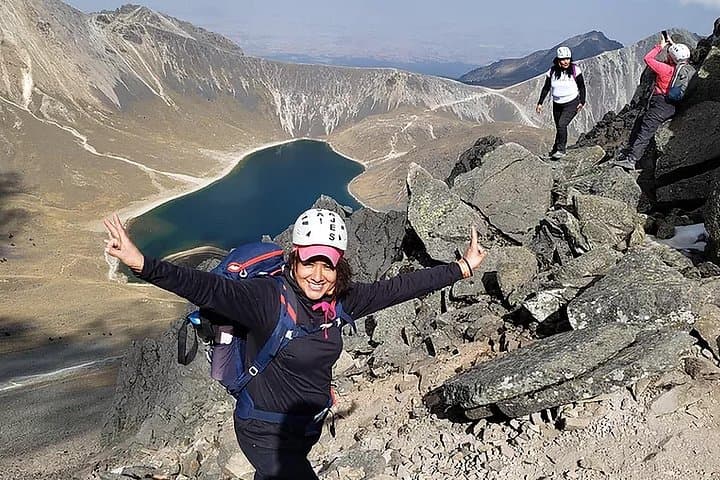
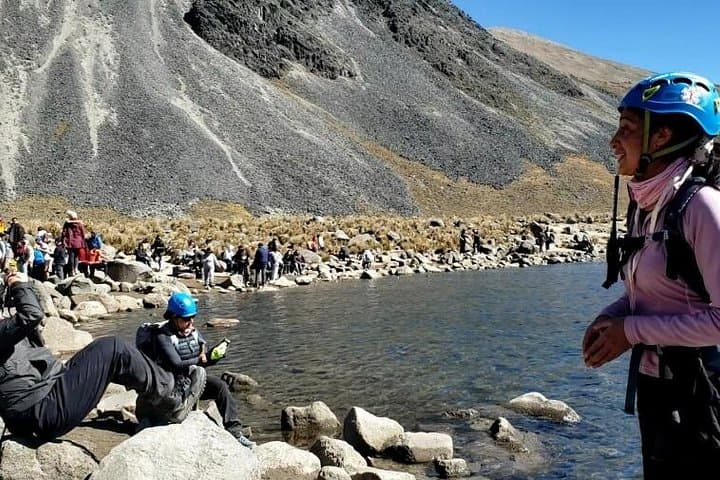
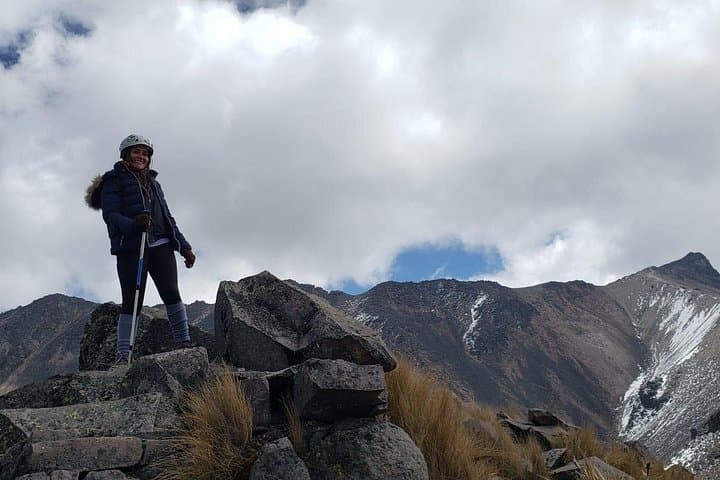
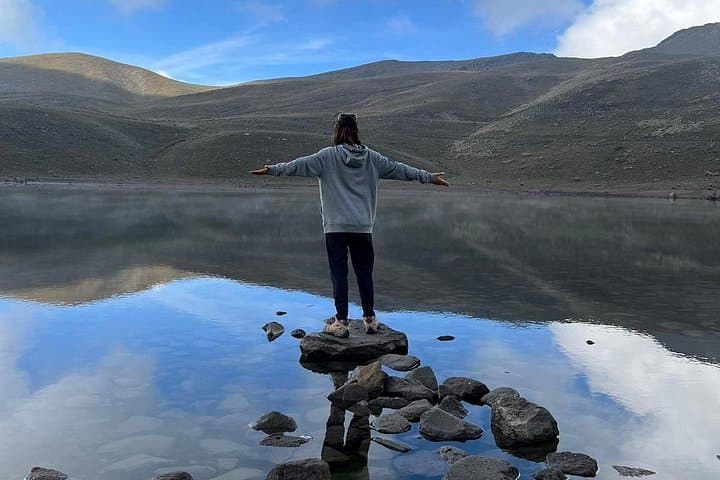
You climb out of Mexico City into thinning air as the road carves up toward Nevado de Toluca, and the city’s hum drops behind you. Arrive at the crater rim and the landscape tightens — scrub grasses, rock slabs, and the unexpected blue of two high-altitude lagoons: El Sol and La Luna. Wind pushes across the basin, and the crater’s bowl feels alive, daring you to round its lip.
You climb out of Mexico City into thinning air as the road carves up toward Nevado de Toluca, and the city’s hum drops behind you. Arrive at the crater rim and the landscape tightens — scrub grasses, rock slabs, and the unexpected blue of two high-altitude lagoons: El Sol and La Luna. Wind pushes across the basin, and the crater’s bowl feels alive, daring you to round its lip.
Geology here is blunt and recent: Xinantécatl is a stratovolcano whose collapse formed a wide crater holding the lagoons at roughly 4,200–4,600 meters; the summit reaches about 4,860 m. The area carries deep cultural layers — Nahua peoples knew this mountain long before the Spanish labeled it “Nevado” for its seasonal snow — and modern villagers still guide and shepherd livestock on its flanks.
This tour offers three routes: an easy rim walk to both lagoons, a mid-level climb to the bell tower viewpoint, and a full ascent via Cañada del Oso to Pico del Fraile. Expect rocky trails, patches of loose scree, and thin air that makes effort feel steeper than on sea-level hikes.
Practical guidance: acclimatize in Mexico City or Toluca, start early to avoid afternoon winds and storms, and carry 2–3 liters of water. Wear stiff-soled boots and warm layers; temperatures swing rapidly. Guides commonly provide helmets and poles for steeper options — use them. Leave no trace: fragile high-altitude plants recover slowly, and litter is the region’s biggest scar. With straightforward preparation, the crater’s vistas and the mirrored lagoons repay every step with clear, sharp highland light.