THE ADVENTURE COLLECTIVE® · Independent discovery and booking for outdoor travel

A technical, six-day alpine expedition to Nevado Alpamayo that combines glacier travel, steep ice climbing, and high-altitude camping. From the Santa River valley to the 5,947 m summit, expect sustained exposure, fixed ropes, and expert logistical support.
A technical, six-day alpine expedition to Nevado Alpamayo that combines glacier travel, steep ice climbing, and high-altitude camping. From the Santa River valley to the 5,947 m summit, expect sustained exposure, fixed ropes, and expert logistical support.
Morning light slices the Cordillera Blanca and the face of Alpamayo turns from gray to hard, blue ice—an impossible sculpted blade that dares climbers to read its angles. You arrive from Huaraz after a drive through the Santa River valley, trade the hum of the road for the clack of burros and the crisp, thin air of Llamacoral. Over six days the route moves from high Andean pasture into moraine, then onto a steep glacier and the narrow ridge that guards the summit.
Verified experiences and guided adventures in the surrounding area.
Operated by Peru Expeditions Tours · Huaraz, Ancash
Morning light slices the Cordillera Blanca and the face of Alpamayo turns from gray to hard, blue ice—an impossible sculpted blade that dares climbers to read its angles. You arrive from Huaraz after a drive through the Santa River valley, trade the hum of the road for the clack of burros and the crisp, thin air of Llamacoral. Over six days the route moves from high Andean pasture into moraine, then onto a steep glacier and the narrow ridge that guards the summit.
Alpamayo sits in Huascarán National Park, carved from uplifted granite and glacial ice. The mountain became globally famous after a 1966 Campbell/Izzo photograph and a 1975 recognition in a mountaineering poll calling it one of the most beautiful peaks in the world. The local Quechua-speaking communities around Caraz and Cashapampa keep a living mountain culture—alpaca herding, trail-side market stands, and respect for seasonal weather windows.
Expect steep moraine approaches, crevassed glacier travel, and technical ice climbing on sections that can reach 60–80 degrees. Nights are in two-person expedition tents at 3,850–5,300 m, and summit day is a long, exposed push with fixed ropes and rappels on descent. Practical tips: pace yourself for acclimatization, trust local high-altitude cooks and porters, and plan for satellite connectivity if you need consistent comms. Carry layered insulation, technical crampons and ice tools, and rehearse glacier rescue basics before arrival. With proper training and respect for altitude, Alpamayo offers a concentrated, high-mountain experience where every step is both literal effort and a conversation with the mountain.
expert.
6 days.
Requires excellent aerobic fitness, leg strength, and prior high-altitude or technical-mountaineering experience
Yes—participants should have previous experience on steep ice or technical alpine routes and be competent with crampon and ice-axe techniques.
Trip inclusions list transport from Huaraz, tents, porters, cooks, guide services, meals during the tour, entrance to Huascarán National Park and satellite internet as stated by the operator.
Summit day is long and exposed: expect 5–6 hours up with sustained steep ice, followed by 2–3 hours of descent; strong pacing and ropework skills are essential.
Operator policy allows cancellations for bad weather; full refund available if canceled more than 24 hours before departure per their standard terms.
Alpamayo gained international attention in the 1960s-70s after several photographic features and alpine first ascents; it sits inside Huascarán National Park, a UNESCO-protected area.
Huascarán National Park regulates access and requires entrance fees to limit impact; groups are asked to follow Leave No Trace protocols and minimize campfire/ecological disturbance.
Peru Expeditions Tours operates guided outdoor trips and adventures with an emphasis on safety, stewardship, and memorable experiences.
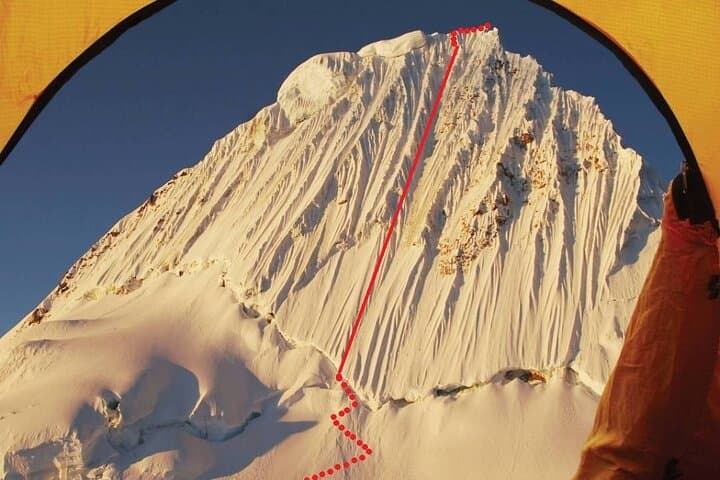
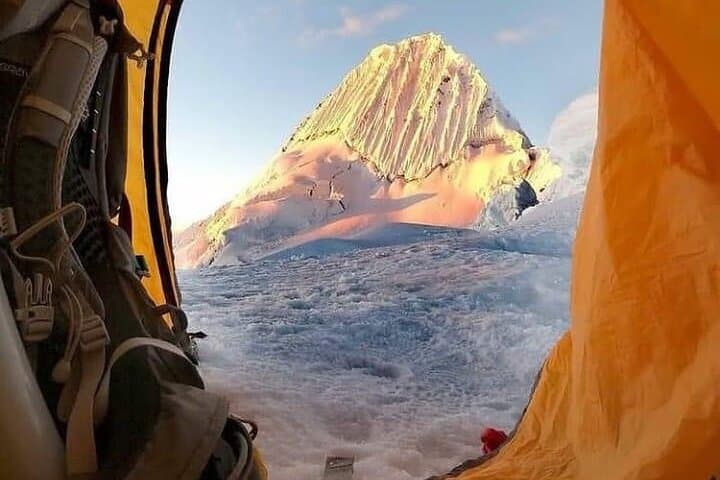
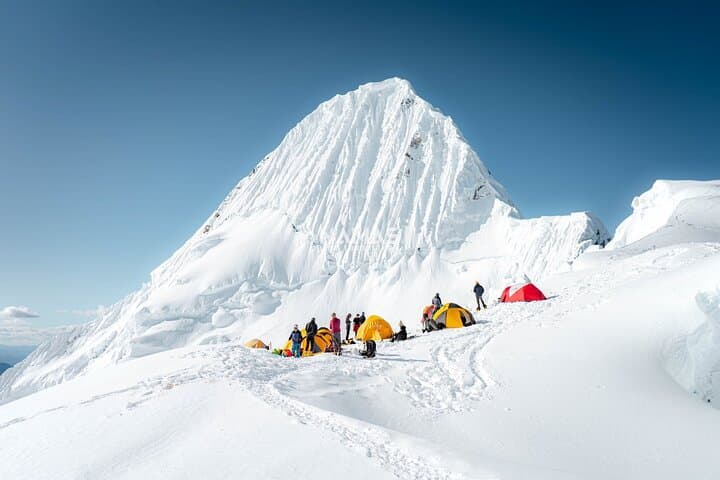
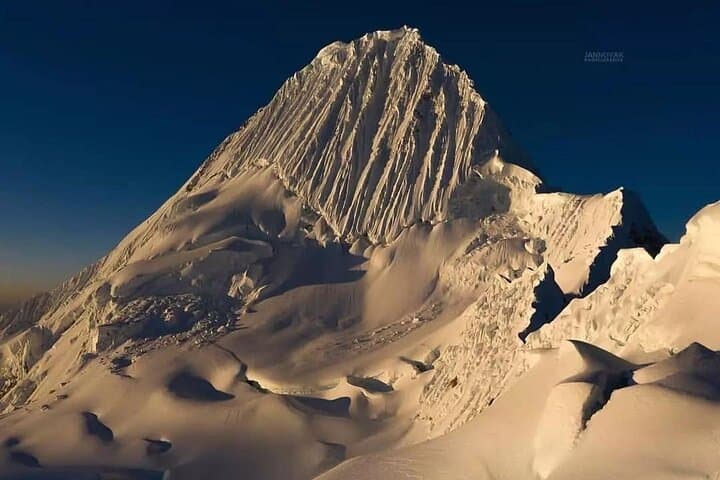
Morning light slices the Cordillera Blanca and the face of Alpamayo turns from gray to hard, blue ice—an impossible sculpted blade that dares climbers to read its angles. You arrive from Huaraz after a drive through the Santa River valley, trade the hum of the road for the clack of burros and the crisp, thin air of Llamacoral. Over six days the route moves from high Andean pasture into moraine, then onto a steep glacier and the narrow ridge that guards the summit.
Morning light slices the Cordillera Blanca and the face of Alpamayo turns from gray to hard, blue ice—an impossible sculpted blade that dares climbers to read its angles. You arrive from Huaraz after a drive through the Santa River valley, trade the hum of the road for the clack of burros and the crisp, thin air of Llamacoral. Over six days the route moves from high Andean pasture into moraine, then onto a steep glacier and the narrow ridge that guards the summit.
Alpamayo sits in Huascarán National Park, carved from uplifted granite and glacial ice. The mountain became globally famous after a 1966 Campbell/Izzo photograph and a 1975 recognition in a mountaineering poll calling it one of the most beautiful peaks in the world. The local Quechua-speaking communities around Caraz and Cashapampa keep a living mountain culture—alpaca herding, trail-side market stands, and respect for seasonal weather windows.
Expect steep moraine approaches, crevassed glacier travel, and technical ice climbing on sections that can reach 60–80 degrees. Nights are in two-person expedition tents at 3,850–5,300 m, and summit day is a long, exposed push with fixed ropes and rappels on descent. Practical tips: pace yourself for acclimatization, trust local high-altitude cooks and porters, and plan for satellite connectivity if you need consistent comms. Carry layered insulation, technical crampons and ice tools, and rehearse glacier rescue basics before arrival. With proper training and respect for altitude, Alpamayo offers a concentrated, high-mountain experience where every step is both literal effort and a conversation with the mountain.