THE ADVENTURE COLLECTIVE® · Independent discovery and booking for outdoor travel

A full-day excursion from Munich that pairs the rococo splendor of Linderhof, the muraled village of Oberammergau, and the iconic Neuschwanstein Castle. Expect timed-entry logistics, a short uphill hike to the castle, and strong seasonal demand for tickets.
A full-day excursion from Munich that pairs the rococo splendor of Linderhof, the muraled village of Oberammergau, and the iconic Neuschwanstein Castle. Expect timed-entry logistics, a short uphill hike to the castle, and strong seasonal demand for tickets.
You step off the coach with alpine air pulling at your jacket and a chalky ridge of mountains watching over the valley. The day unfurls quickly: a morning at Linderhof’s rococo salons and gardens, a brief stop among the painted facades of Oberammergau, then the climb toward Neuschwanstein, the castle that became a shorthand for fairytale Europe.
Verified experiences and guided adventures in the surrounding area.
Operated by Kaytrip · Schwangau, Bavaria
You step off the coach with alpine air pulling at your jacket and a chalky ridge of mountains watching over the valley. The day unfurls quickly: a morning at Linderhof’s rococo salons and gardens, a brief stop among the painted facades of Oberammergau, then the climb toward Neuschwanstein, the castle that became a shorthand for fairytale Europe.
The route traces Bavaria’s cultural layers. Linderhof shows King Ludwig II’s devotion to French-style interiors and formal gardens; Oberammergau broadcasts a living tradition of woodcarving and the century-old Passion Play; Neuschwanstein sits on a limestone spur above Hohenschwangau, built in the 19th century when romanticism and alpine geology shaped royal imaginations. Mountain slopes here are largely molasse and limestone, giving way to steep forest and pastures that change color with the season.
Expect practical realities: guided group logistics, mandatory timed-entry tickets at Neuschwanstein, and a 30–40 minute uphill walk from the ticket office if carriage or shuttle isn’t available. In winter, carriage service and shuttles can be disrupted by snow; in high season expect crowds and ticket pressure. The tour balances storytelling and logistics—vehicle transfers, a driver-guide, and fixed arrival windows—so punctuality matters.
Pack sturdy shoes, layers, water and a small daypack. Allow extra time for traffic returning to Munich. For history lovers and photographers the payoff is the views and interiors; for planners, it’s a day that pairs easy travel with a few steep, memorable moments on the trail to the castle.
easy.
10 hours.
Suitable for people in average physical condition; you should be able to walk uphill for 30–40 minutes at a steady pace.
The tour offers options with or without Neuschwanstein entry; choose the ticket-included option if you want guaranteed timed-entry—availability is limited.
Plan for a 30–40 minute uphill walk from the ticket office to Neuschwanstein if shuttles or carriages are unavailable, plus walking inside palace grounds and short village strolls.
Infants must sit on laps; the tour notes that travelers over 70 may need to complete additional paperwork and should be accompanied by family—check tour terms before booking.
There are basic cafés at the ticket area and restaurants in nearby Hohenschwangau; restrooms are available at main visitor zones but can be busy during peak season.
King Ludwig II commissioned Neuschwanstein and Linderhof in the 19th century as personal projects reflecting romantic and French influences; Oberammergau is famed for the Passion Play performed since 1634.
Heavy visitation stresses fragile mountain vegetation and trails; stick to marked paths, pack out waste, and respect local signage to reduce erosion and disturbance.
Kaytrip operates guided outdoor trips and adventures with an emphasis on safety, stewardship, and memorable experiences.

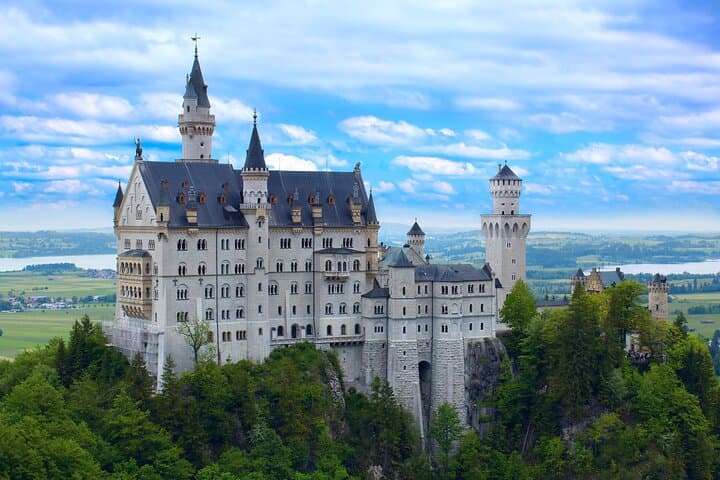

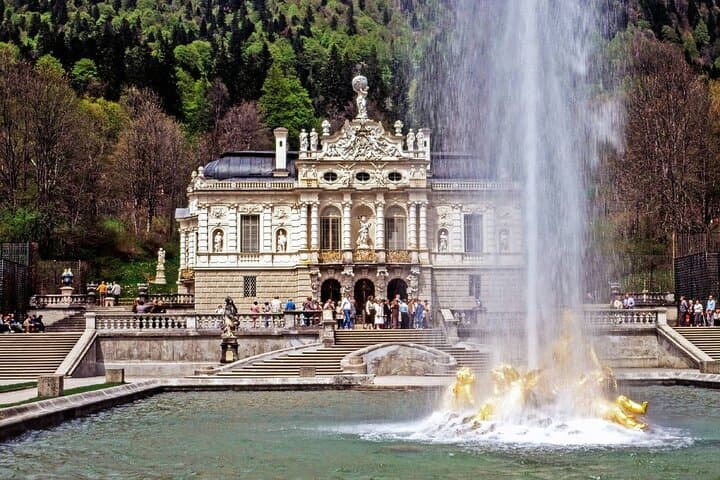
You step off the coach with alpine air pulling at your jacket and a chalky ridge of mountains watching over the valley. The day unfurls quickly: a morning at Linderhof’s rococo salons and gardens, a brief stop among the painted facades of Oberammergau, then the climb toward Neuschwanstein, the castle that became a shorthand for fairytale Europe.
You step off the coach with alpine air pulling at your jacket and a chalky ridge of mountains watching over the valley. The day unfurls quickly: a morning at Linderhof’s rococo salons and gardens, a brief stop among the painted facades of Oberammergau, then the climb toward Neuschwanstein, the castle that became a shorthand for fairytale Europe.
The route traces Bavaria’s cultural layers. Linderhof shows King Ludwig II’s devotion to French-style interiors and formal gardens; Oberammergau broadcasts a living tradition of woodcarving and the century-old Passion Play; Neuschwanstein sits on a limestone spur above Hohenschwangau, built in the 19th century when romanticism and alpine geology shaped royal imaginations. Mountain slopes here are largely molasse and limestone, giving way to steep forest and pastures that change color with the season.
Expect practical realities: guided group logistics, mandatory timed-entry tickets at Neuschwanstein, and a 30–40 minute uphill walk from the ticket office if carriage or shuttle isn’t available. In winter, carriage service and shuttles can be disrupted by snow; in high season expect crowds and ticket pressure. The tour balances storytelling and logistics—vehicle transfers, a driver-guide, and fixed arrival windows—so punctuality matters.
Pack sturdy shoes, layers, water and a small daypack. Allow extra time for traffic returning to Munich. For history lovers and photographers the payoff is the views and interiors; for planners, it’s a day that pairs easy travel with a few steep, memorable moments on the trail to the castle.