THE ADVENTURE COLLECTIVE® · Independent discovery and booking for outdoor travel

Pair a skip‑the‑line tour of Neuschwanstein with a pulse‑quickening walk across Highline 179. This full‑day minivan trip from Munich combines royal interiors, Alpine views and an engineering spectacle for a single, action‑packed itinerary.
Pair a skip‑the‑line tour of Neuschwanstein with a pulse‑quickening walk across Highline 179. This full‑day minivan trip from Munich combines royal interiors, Alpine views and an engineering spectacle for a single, action‑packed itinerary.
Fog lifts off an alpine valley as your minivan threads south from Munich. Pine slopes open to a postcard vista: the limestone ridge, the white towers of Neuschwanstein clinging to the hillside, and across a narrow gorge the steel line of Highline 179 daring you to cross. The day moves from romantic 19th‑century fantasy to modern engineering in one sweep.
Verified experiences and guided adventures in the surrounding area.
Operated by Sightseeing Bavaria Exclusive · Schwangau, Bavaria
Fog lifts off an alpine valley as your minivan threads south from Munich. Pine slopes open to a postcard vista: the limestone ridge, the white towers of Neuschwanstein clinging to the hillside, and across a narrow gorge the steel line of Highline 179 daring you to cross. The day moves from romantic 19th‑century fantasy to modern engineering in one sweep.
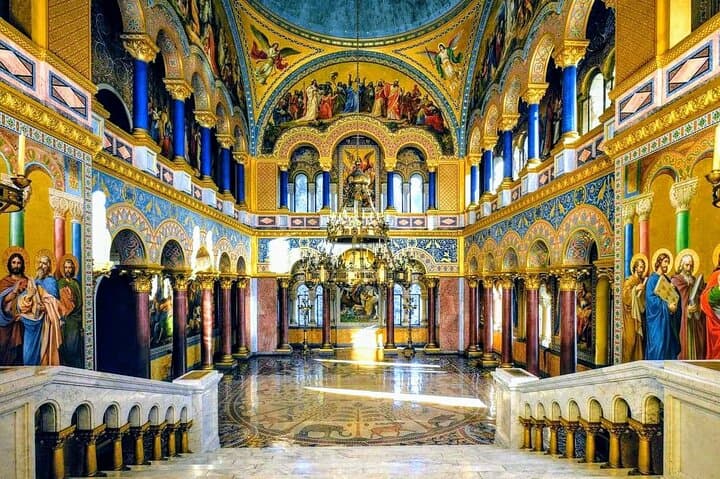
King Ludwig II built Neuschwanstein as a private stage for Wagnerian myth; the interiors reveal curiosities of 19th‑century tech as much as painted kings and grottoes. Geologically, the castles sit where Molasse foothills meet the Northern Limestone Alps — steep bluffs and glacially carved valleys create the dramatic drops the suspension bridge spans. Locally, Bavarian villages like Hohenschwangau and Oberammergau blend woodcarving and monastic baroque with Alpine hospitality.
Practically: this is a full‑day trip (about 9.5–11 hours) with uphill walks, a 35‑minute guided castle tour and optional bridge crossing. Expect paved paths, some steep sections, and 346 internal stairs at Neuschwanstein. If heights unsettle you, vantage points like Marienbrücke or Ehrenberg’s ruins offer the same drama without stepping onto the bridge. Bring layered clothing, sturdy shoes, and a charged phone for photos — weather turns quickly at altitude. Your guide handles tickets, parking, and timing; early departures reduce crowds at the bridge and the castle viewpoints. Favor spring or fall for cooler light and thinner crowds; summer brings festival traffic, winter closes some shuttle options but sharp snows can make the landscape striking and quiet.
moderate.
9.5–11 hours.
Comfortable walking fitness for uphill approaches, repeated stair climbs and standing during guided tours
No — multiple overlooks including Marienbrücke and Ehrenberg ruins provide sweeping views without stepping onto the bridge.
Neuschwanstein has many stairs; limited elevator service exists for visitors with medical certificates but must be arranged in advance through castle authorities.
Shuttles run in most seasons but may close in snow and ice; horse carriages typically don’t operate in winter — plan alternatives with your guide.
The bridge has high railings and netting and is regularly inspected; ticketed crossings also have age/height rules for particular activities like zip lines.
Neuschwanstein was commissioned by King Ludwig II in the 19th century as a private retreat inspired by medieval legend and Wagnerian opera.
High visitor numbers put pressure on trails and parking; stick to marked paths, carry out trash, and use shuttle services to reduce vehicle congestion.
Sightseeing Bavaria Exclusive operates guided outdoor trips and adventures with an emphasis on safety, stewardship, and memorable experiences.
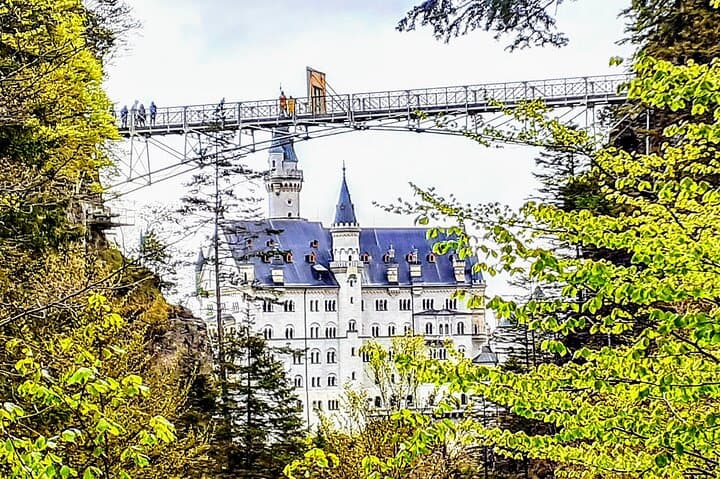
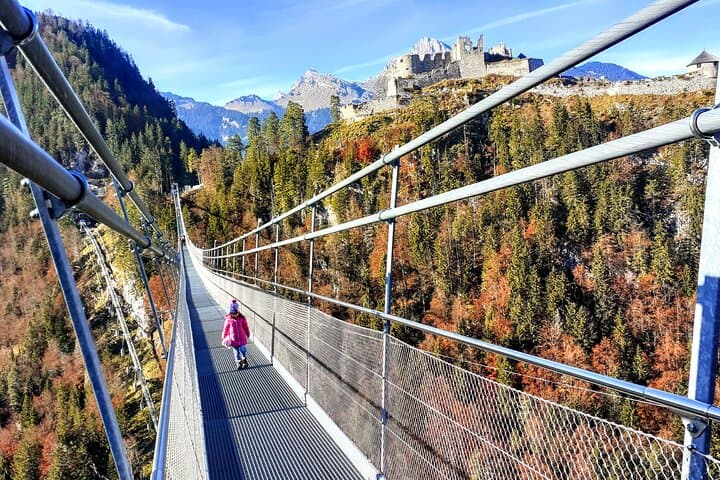
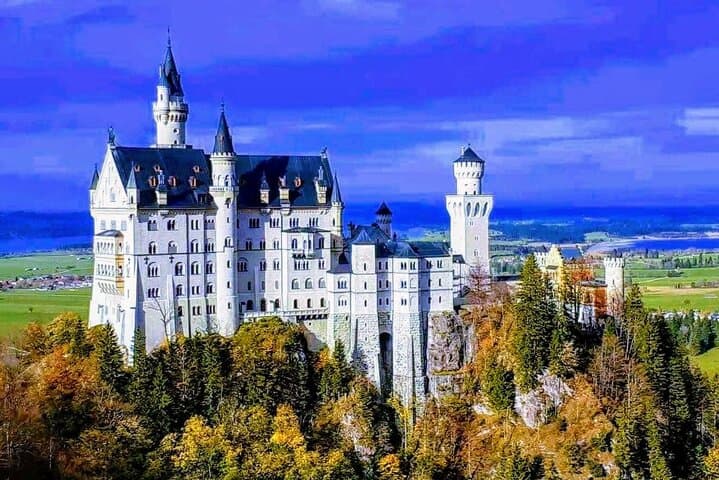
Fog lifts off an alpine valley as your minivan threads south from Munich. Pine slopes open to a postcard vista: the limestone ridge, the white towers of Neuschwanstein clinging to the hillside, and across a narrow gorge the steel line of Highline 179 daring you to cross. The day moves from romantic 19th‑century fantasy to modern engineering in one sweep.
Fog lifts off an alpine valley as your minivan threads south from Munich. Pine slopes open to a postcard vista: the limestone ridge, the white towers of Neuschwanstein clinging to the hillside, and across a narrow gorge the steel line of Highline 179 daring you to cross. The day moves from romantic 19th‑century fantasy to modern engineering in one sweep.
King Ludwig II built Neuschwanstein as a private stage for Wagnerian myth; the interiors reveal curiosities of 19th‑century tech as much as painted kings and grottoes. Geologically, the castles sit where Molasse foothills meet the Northern Limestone Alps — steep bluffs and glacially carved valleys create the dramatic drops the suspension bridge spans. Locally, Bavarian villages like Hohenschwangau and Oberammergau blend woodcarving and monastic baroque with Alpine hospitality.
Practically: this is a full‑day trip (about 9.5–11 hours) with uphill walks, a 35‑minute guided castle tour and optional bridge crossing. Expect paved paths, some steep sections, and 346 internal stairs at Neuschwanstein. If heights unsettle you, vantage points like Marienbrücke or Ehrenberg’s ruins offer the same drama without stepping onto the bridge. Bring layered clothing, sturdy shoes, and a charged phone for photos — weather turns quickly at altitude. Your guide handles tickets, parking, and timing; early departures reduce crowds at the bridge and the castle viewpoints. Favor spring or fall for cooler light and thinner crowds; summer brings festival traffic, winter closes some shuttle options but sharp snows can make the landscape striking and quiet.