THE ADVENTURE COLLECTIVE® · Independent discovery and booking for outdoor travel

A full-day winter excursion from Munich to Neuschwanstein Castle with guaranteed skip-the-line ticket options and an optional walking tour of Munich’s Old Town and Christmas markets. Expect steep hills, cold winds on viewing platforms, and a flexible itinerary due to weather and traffic.
A full-day winter excursion from Munich to Neuschwanstein Castle with guaranteed skip-the-line ticket options and an optional walking tour of Munich’s Old Town and Christmas markets. Expect steep hills, cold winds on viewing platforms, and a flexible itinerary due to weather and traffic.
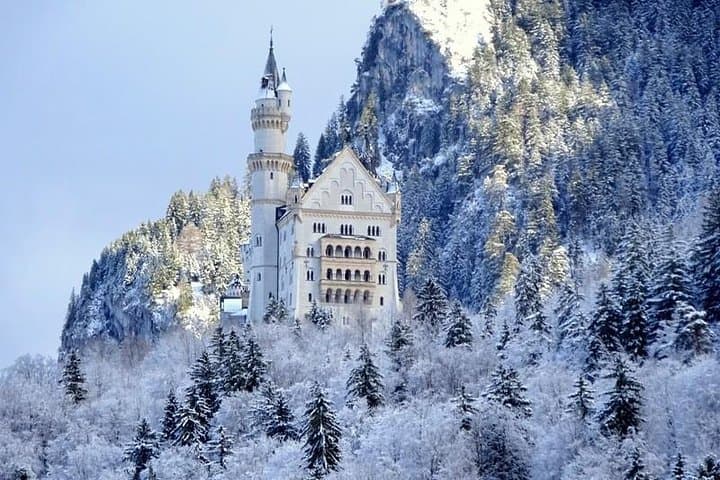
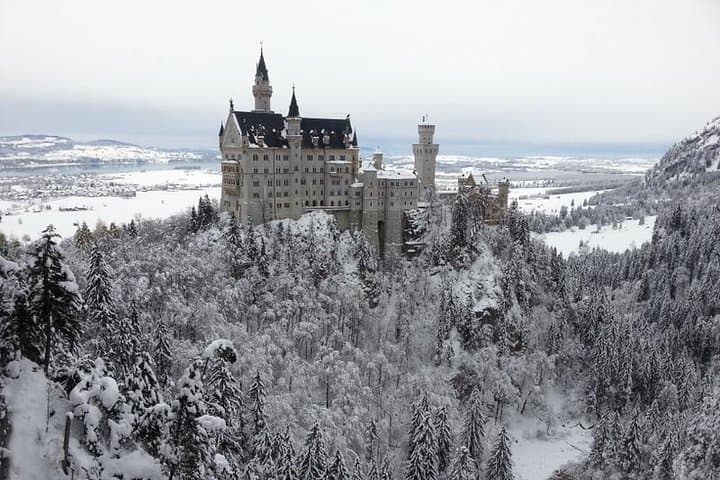
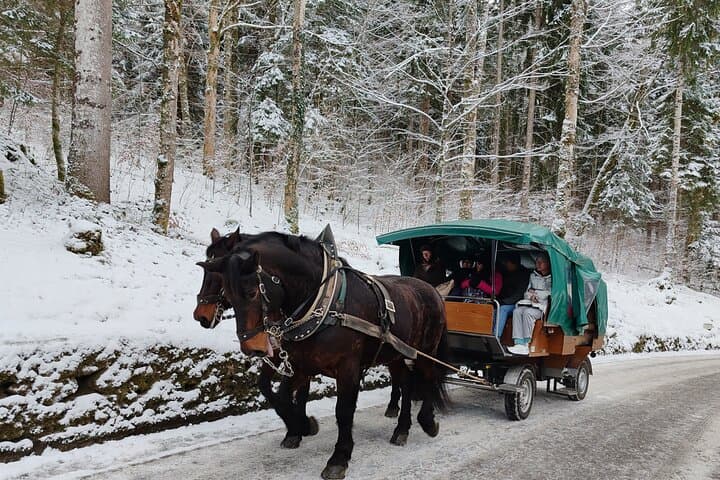
The bus pulls away from central Munich while frosted fields and firs slide past the windows, and by mid-morning the castle appears—white-topped towers clinging to a crag above Hohenschwangau. In winter the road narrows, steam rising from chimneys in the village, and the clang of horse-drawn carriages competes with chatter from visitors who’ve come to see King Ludwig II’s dream perched against the Bavarian Alps.
Verified experiences and guided adventures in the surrounding area.
Operated by Mikes Bike Tours Munich · Munich, Bavaria
The bus pulls away from central Munich while frosted fields and firs slide past the windows, and by mid-morning the castle appears—white-topped towers clinging to a crag above Hohenschwangau. In winter the road narrows, steam rising from chimneys in the village, and the clang of horse-drawn carriages competes with chatter from visitors who’ve come to see King Ludwig II’s dream perched against the Bavarian Alps.
Neuschwanstein is a late-19th-century romantic reconstruction rather than a medieval fortress; Ludwig II imagined a stage-set palace inspired by Wagnerian opera. The castle sits on Jurassic limestone carved by ancient glaciers, offering dramatic drops toward the Alpsee below. Nearby Hohenschwangau and the Romantic Road reflect centuries of Bavarian culture—timbered inns, brass steins, and market stalls lined with local crafts.
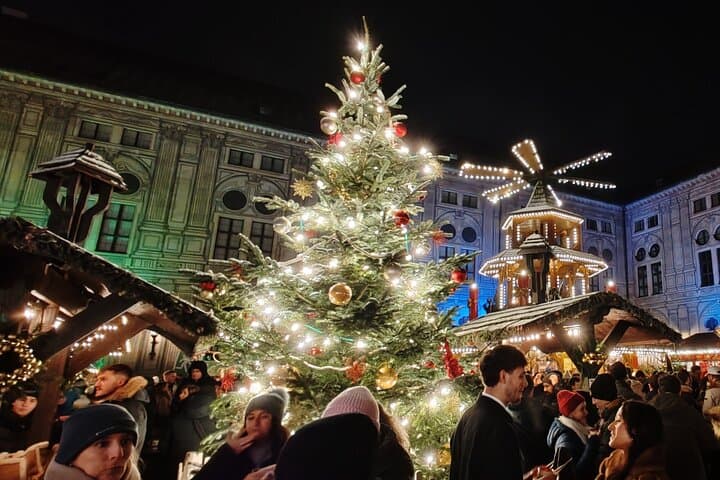
On return to Munich the tour folds in local contrasts: the Eisbach surfers who brave icy currents, and the city’s Christmas markets with spiced wine and roasted chestnuts. Practicalities shape the day: tickets for the castle interior are sold on board (cash), the walk up is steep with many stairs and limited carriage options in winter, and weather can change the itinerary.
Plan for ten hours round-trip, sturdy winter footwear, and layered clothing that can handle wind on viewing bridges. Expect flexibility in schedule—traffic, entry times, and weather can delay the return—so avoid tight onward travel. For travelers who want Bavarian mood with manageable exertion, this winter day trip mixes alpine scenery, history, and city flavors in a single, vividly seasonal outing.
moderate.
10 hours.
Moderate fitness — able to handle uphill walks, stairs, and standing during guided castle entry.
No — skip-the-line interior tickets are offered for purchase from the guide on the day (around €26.50); bring cash as card acceptance is not guaranteed.
The tour involves steep hills and many stairs; horse-drawn carriage access and bus drop-offs may be limited in winter, so a reasonable level of mobility is required.
The meeting time is 8:30 AM in Munich and the full-day tour lasts about 10 hours; return times can vary due to traffic and castle entry scheduling, so avoid late connections.
Yes — winter weather can alter castle access and walking routes. The operator may adjust the schedule for safety, and refunds follow the standard cancellation policy if you cancel at least 24 hours prior.
Neuschwanstein was commissioned by King Ludwig II in the 19th century as a personal retreat and homage to Germanic legends and Wagnerian opera, reflecting Bavaria’s romantic nationalism of the era.
High visitor numbers and winter conditions require careful trail management; stick to marked paths, use local transport where possible, and support low-impact vendors at markets.
Mikes Bike Tours Munich operates guided outdoor trips and adventures with an emphasis on safety, stewardship, and memorable experiences.
The bus pulls away from central Munich while frosted fields and firs slide past the windows, and by mid-morning the castle appears—white-topped towers clinging to a crag above Hohenschwangau. In winter the road narrows, steam rising from chimneys in the village, and the clang of horse-drawn carriages competes with chatter from visitors who’ve come to see King Ludwig II’s dream perched against the Bavarian Alps.
The bus pulls away from central Munich while frosted fields and firs slide past the windows, and by mid-morning the castle appears—white-topped towers clinging to a crag above Hohenschwangau. In winter the road narrows, steam rising from chimneys in the village, and the clang of horse-drawn carriages competes with chatter from visitors who’ve come to see King Ludwig II’s dream perched against the Bavarian Alps.
Neuschwanstein is a late-19th-century romantic reconstruction rather than a medieval fortress; Ludwig II imagined a stage-set palace inspired by Wagnerian opera. The castle sits on Jurassic limestone carved by ancient glaciers, offering dramatic drops toward the Alpsee below. Nearby Hohenschwangau and the Romantic Road reflect centuries of Bavarian culture—timbered inns, brass steins, and market stalls lined with local crafts.
On return to Munich the tour folds in local contrasts: the Eisbach surfers who brave icy currents, and the city’s Christmas markets with spiced wine and roasted chestnuts. Practicalities shape the day: tickets for the castle interior are sold on board (cash), the walk up is steep with many stairs and limited carriage options in winter, and weather can change the itinerary.
Plan for ten hours round-trip, sturdy winter footwear, and layered clothing that can handle wind on viewing bridges. Expect flexibility in schedule—traffic, entry times, and weather can delay the return—so avoid tight onward travel. For travelers who want Bavarian mood with manageable exertion, this winter day trip mixes alpine scenery, history, and city flavors in a single, vividly seasonal outing.