THE ADVENTURE COLLECTIVE® · Independent discovery and booking for outdoor travel

Cover Kathmandu’s UNESCO sites, watch the Himalayas rise at Sarangkot, paddle Fewa Lake in Pokhara, and track wildlife in Chitwan’s floodplain over eight days. This compact circuit balances cultural sightseeing with accessible nature experiences.
Cover Kathmandu’s UNESCO sites, watch the Himalayas rise at Sarangkot, paddle Fewa Lake in Pokhara, and track wildlife in Chitwan’s floodplain over eight days. This compact circuit balances cultural sightseeing with accessible nature experiences.
The valley air is cool when you step from Tribhuvan International Airport into Kathmandu—dust and incense, a city that keeps its past visible in brick and carved wood. Over eight days this tour moves from the compact alleys of Kathmandu's UNESCO squares to the wide, reflective surface of Phewa Lake in Pokhara, and down to the humid river corridors of Chitwan, where the jungle opens and wildlife becomes the day’s companion.
Verified experiences and guided adventures in the surrounding area.
Operated by Himalayan Luxury Holidays Pvt. Ltd. · Kathmandu, Bagmati Province
The valley air is cool when you step from Tribhuvan International Airport into Kathmandu—dust and incense, a city that keeps its past visible in brick and carved wood. Over eight days this tour moves from the compact alleys of Kathmandu's UNESCO squares to the wide, reflective surface of Phewa Lake in Pokhara, and down to the humid river corridors of Chitwan, where the jungle opens and wildlife becomes the day’s companion.
Kathmandu Valley holds layers of history: medieval Newar palaces, stupas that have been pilgrimage anchors for centuries, and streets shaped by trade routes from Tibet and India. Geologically, the high Himalayan skyline you catch at Sarangkot is recent on a planetary timescale—rock thrust up by the collision of the Indian and Eurasian plates—and its ridgelines throw light at sunrise like a moving map. In Chitwan, alluvial floodplains and the Rapti River create grasslands that support rhinoceros, crocodiles, and migratory birds; the Tharu people have stewarded culture here for generations.
Practical guidance: plan early-morning starts for Sarangkot sunrises and quiet boat time on Fewa Lake; carry cash for small village purchases and local tips. Short walks and jeep safaris dominate Chitwan activities—expect muddy trails after rain and mosquitoes at dusk. Acclimatization isn’t a major issue on this itinerary, but light layering is essential between cool hilltop mornings and hot lowland afternoons. Bring a compact daypack, sturdy walking shoes, insect repellent, and a camera with spare batteries: the vistas and wildlife move fast and leave little patience for slow gear swaps.
moderate.
8 days.
Suitable for travelers in regular good health—able to handle full days of walking, short hikes, and vehicle transfers.
No high-altitude passes are included; Kathmandu (1,400m) and Pokhara (820m) are moderate—typical acclimatization symptoms are uncommon on this route.
Early-morning jeep safaris and canoe trips often reveal greater one-horned rhinoceros, deer, various waterbirds and, with luck and silence, signs or rare glimpses of Bengal tiger or crocodile.
Domestic flights between Kathmandu, Pokhara and Chitwan are included; they’re efficient but can be affected by weather—early flights reduce cancellation risk.
Yes—activities are gentle (short walks, boating, jeep safaris) but travelers should be mobile and able to embark/disembark vehicles; inform the operator of any mobility or health concerns.
Kathmandu Valley served as a political and cultural crossroads for Newar kingdoms; stupas and palaces reflect centuries of Hindu and Buddhist practice.
Chitwan National Park relies on anti-poaching patrols and community-based tourism; stick to guided routes, avoid wildlife feeding, and support local conservation initiatives.
Himalayan Luxury Holidays Pvt. Ltd. operates guided outdoor trips and adventures with an emphasis on safety, stewardship, and memorable experiences.
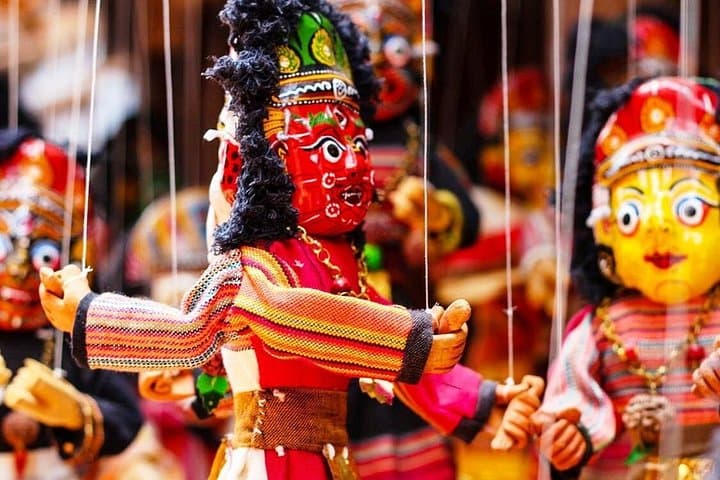
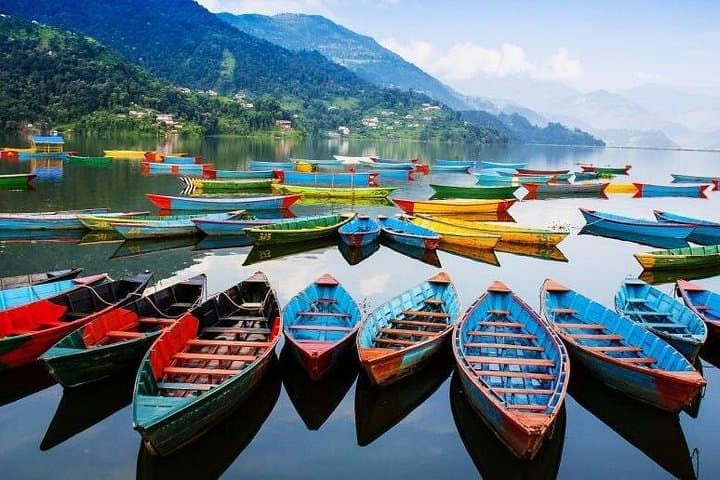
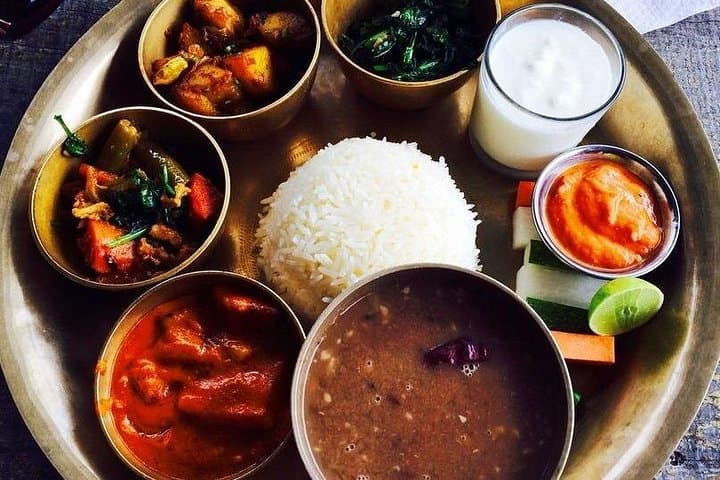
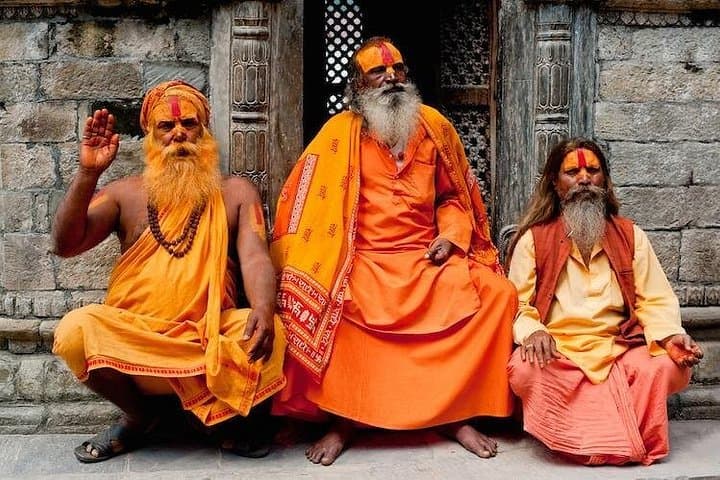
The valley air is cool when you step from Tribhuvan International Airport into Kathmandu—dust and incense, a city that keeps its past visible in brick and carved wood. Over eight days this tour moves from the compact alleys of Kathmandu's UNESCO squares to the wide, reflective surface of Phewa Lake in Pokhara, and down to the humid river corridors of Chitwan, where the jungle opens and wildlife becomes the day’s companion.
The valley air is cool when you step from Tribhuvan International Airport into Kathmandu—dust and incense, a city that keeps its past visible in brick and carved wood. Over eight days this tour moves from the compact alleys of Kathmandu's UNESCO squares to the wide, reflective surface of Phewa Lake in Pokhara, and down to the humid river corridors of Chitwan, where the jungle opens and wildlife becomes the day’s companion.
Kathmandu Valley holds layers of history: medieval Newar palaces, stupas that have been pilgrimage anchors for centuries, and streets shaped by trade routes from Tibet and India. Geologically, the high Himalayan skyline you catch at Sarangkot is recent on a planetary timescale—rock thrust up by the collision of the Indian and Eurasian plates—and its ridgelines throw light at sunrise like a moving map. In Chitwan, alluvial floodplains and the Rapti River create grasslands that support rhinoceros, crocodiles, and migratory birds; the Tharu people have stewarded culture here for generations.
Practical guidance: plan early-morning starts for Sarangkot sunrises and quiet boat time on Fewa Lake; carry cash for small village purchases and local tips. Short walks and jeep safaris dominate Chitwan activities—expect muddy trails after rain and mosquitoes at dusk. Acclimatization isn’t a major issue on this itinerary, but light layering is essential between cool hilltop mornings and hot lowland afternoons. Bring a compact daypack, sturdy walking shoes, insect repellent, and a camera with spare batteries: the vistas and wildlife move fast and leave little patience for slow gear swaps.