THE ADVENTURE COLLECTIVE® · Independent discovery and booking for outdoor travel

An eight-day cultural and mountain-view tour linking Kathmandu with Bhutan’s Thimphu and Paro. Expect city temples, highland passes, a hike to Taktsang (Tiger’s Nest), and guided logistics that include flights and hotel stays.
An eight-day cultural and mountain-view tour linking Kathmandu with Bhutan’s Thimphu and Paro. Expect city temples, highland passes, a hike to Taktsang (Tiger’s Nest), and guided logistics that include flights and hotel stays.
You step out into Kathmandu’s thinning air as prayer flags snap above narrow streets and the city’s jumble of temples frames distant white ridgelines.
Verified experiences and guided adventures in the surrounding area.
Operated by Odea Services · Kathmandu, Bagmati Province
You step out into Kathmandu’s thinning air as prayer flags snap above narrow streets and the city’s jumble of temples frames distant white ridgelines.
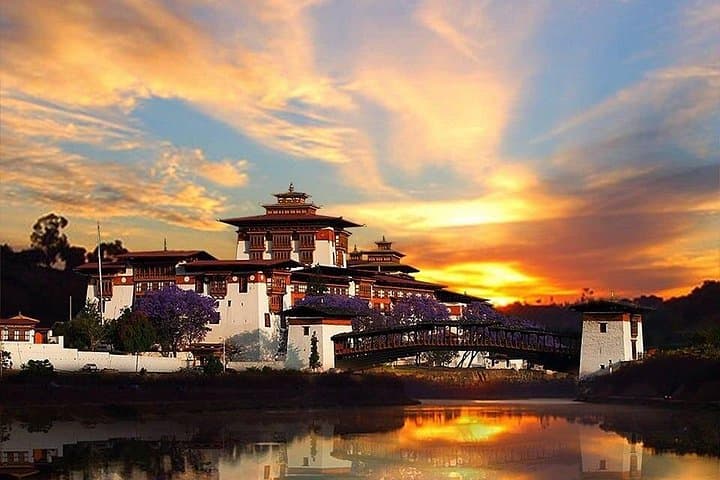
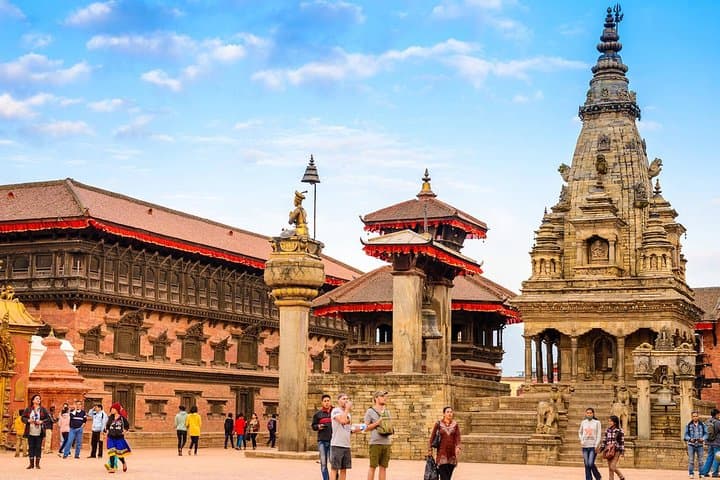
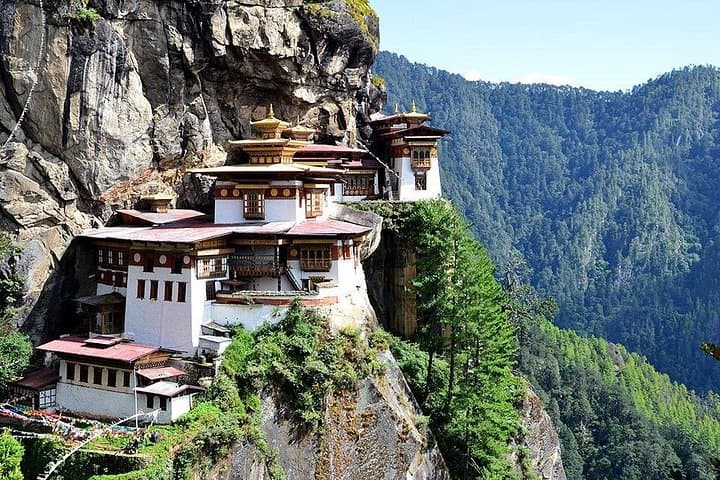
The itinerary moves quickly from Thamel’s lively alleys to the hush of Swoyambhu and the mud-brick courtyards of Bhaktapur, then jumps by short flight into Bhutan’s emerald valleys where rhododendron forests and cedar-scented passes lead to Thimphu’s low skyline and Paro’s tiger’s nest clinging to a cliff.
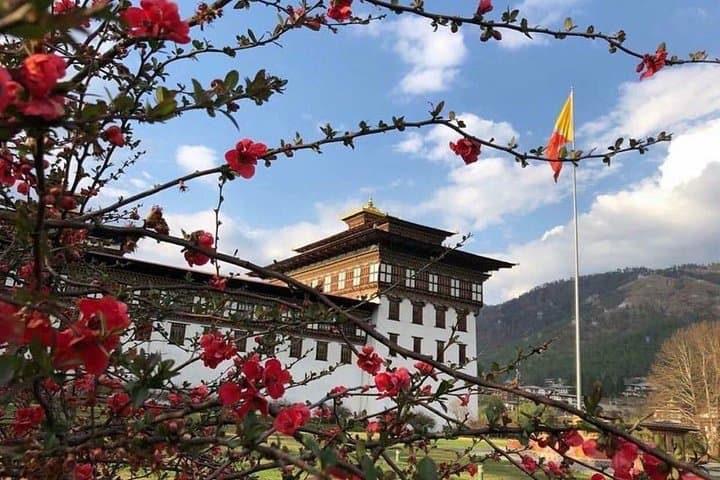
This route threads history with geology and living culture: Kathmandu Valley’s compacted alluvium preserves Newar palaces and 17th-century dzongs, while Bhutan’s high passes—Dochula at about 3,050 m—offer immediate views of the Greater Himalaya and reveal the orogenic forces that raised these ranges. Monastic life is visible in daily circumambulation at chortens, and festivals, handicraft shops, and local tea houses give texture to modern monarchy-era Bhutan.
Practical guide: the tour runs eight days with mostly easy driving, short walks and one sustained uphill hike to Taktsang (allow 2–3 hours round trip to the viewpoint). Altitude on some days reaches about 3,000 m, so pace yourself, hydrate, and avoid heavy exertion on arrival. Dress in layers for large diurnal swings and bring a sturdy pair of shoes for uneven temple courtyards and the Tiger’s Nest trail. Carry original passport pages for Bhutan visa processing and small local currency for rural purchases.
Timing: spring (March–May) and autumn (Sept–Nov) give clearest mountain views; winter mornings can be crisp and clear but colder at higher elevations.
moderate.
7–8 days.
Basic to good fitness for daily walking and one moderate uphill hike to Taktsang; mobility-friendly for most hotel- and vehicle-based sightseeing.
Yes—most nationalities require a Bhutan visa; your tour operator will submit the visa clearance and you must carry your passport for stamping at Paro airport.
The hike to the main viewpoint typically takes 2–3 hours round-trip with sustained uphill sections; moderate fitness and breaks make it accessible to most travelers.
Spring (March–May) and autumn (September–November) offer the clearest mountain views and stable weather for flights and hikes.
Yes—carry some local currency for market purchases and tips; larger hotels and restaurants accept cards in cities but rural vendors usually accept cash only.
Kathmandu Valley preserves Newar architecture and was the seat of the Malla kingdoms, while Bhutan’s dzongs reflect a 17th-century fortress-monastic tradition tied to the consolidation of Bhutanese states under the Zhabdrung and later the Wangchuck monarchy.
Bhutan manages tourism through regulated visa and tariff systems to limit environmental impact; visitors should follow leave-no-trace practices, respect monastery rules, and avoid single-use plastics where possible.
Odea Services operates guided outdoor trips and adventures with an emphasis on safety, stewardship, and memorable experiences.
You step out into Kathmandu’s thinning air as prayer flags snap above narrow streets and the city’s jumble of temples frames distant white ridgelines.
You step out into Kathmandu’s thinning air as prayer flags snap above narrow streets and the city’s jumble of temples frames distant white ridgelines.
The itinerary moves quickly from Thamel’s lively alleys to the hush of Swoyambhu and the mud-brick courtyards of Bhaktapur, then jumps by short flight into Bhutan’s emerald valleys where rhododendron forests and cedar-scented passes lead to Thimphu’s low skyline and Paro’s tiger’s nest clinging to a cliff.
This route threads history with geology and living culture: Kathmandu Valley’s compacted alluvium preserves Newar palaces and 17th-century dzongs, while Bhutan’s high passes—Dochula at about 3,050 m—offer immediate views of the Greater Himalaya and reveal the orogenic forces that raised these ranges. Monastic life is visible in daily circumambulation at chortens, and festivals, handicraft shops, and local tea houses give texture to modern monarchy-era Bhutan.
Practical guide: the tour runs eight days with mostly easy driving, short walks and one sustained uphill hike to Taktsang (allow 2–3 hours round trip to the viewpoint). Altitude on some days reaches about 3,000 m, so pace yourself, hydrate, and avoid heavy exertion on arrival. Dress in layers for large diurnal swings and bring a sturdy pair of shoes for uneven temple courtyards and the Tiger’s Nest trail. Carry original passport pages for Bhutan visa processing and small local currency for rural purchases.
Timing: spring (March–May) and autumn (Sept–Nov) give clearest mountain views; winter mornings can be crisp and clear but colder at higher elevations.