THE ADVENTURE COLLECTIVE® · Independent discovery and booking for outdoor travel

Spend a six-hour, private tour across Orkney’s UNESCO Heart of Neolithic sites—Skara Brae, the Ring of Brodgar and Standing Stones of Stenness—guided by a local who pairs archaeology with island stories. Expect short walks, exposed coastlines, and a blend of prehistoric and 20th-century history.
Spend a six-hour, private tour across Orkney’s UNESCO Heart of Neolithic sites—Skara Brae, the Ring of Brodgar and Standing Stones of Stenness—guided by a local who pairs archaeology with island stories. Expect short walks, exposed coastlines, and a blend of prehistoric and 20th-century history.
Wind off the North Atlantic pushes a fresh salt bite into the air as you step from the minivan onto peat-scented ground. Low horizons and wide skies make each monument appear larger than life: a ring of vertical stones standing between two lochs, the low-roofed stone rooms of a village older than the pyramids, and a chapel painted by hands that found beauty amid wartime concrete.
Verified experiences and guided adventures in the surrounding area.
Operated by Adventure Orkney · Kirkwall, Orkney Islands
Wind off the North Atlantic pushes a fresh salt bite into the air as you step from the minivan onto peat-scented ground. Low horizons and wide skies make each monument appear larger than life: a ring of vertical stones standing between two lochs, the low-roofed stone rooms of a village older than the pyramids, and a chapel painted by hands that found beauty amid wartime concrete.
Orkney’s Neolithic sites sit on Old Red Sandstone and compacted flagstones shaped by ice and sea. The Heart of Neolithic Orkney UNESCO landscape—Skara Brae, Ring of Brodgar, Standing Stones of Stenness and nearby Barnhouse—documents 5,000 years of farming, ritual and community planning. Norse and later maritime cultures layered new stories onto that deep prehistory; you’ll pass WWII traces too, like the Italian Chapel crafted by prisoners who left an unexpectedly ornate legacy.
This private, six-hour tour moves at a relaxed walking pace with short on-site strolls (most visits 20–90 minutes). Expect uneven stone paths, muddy patches after rain, and exposed coastal edges where wind shapes your route. Practicalities: wear waterproof layers and grippy boots, bring water and snacks, and allow time for photo stops and short interpretive talks. Skara Brae and the Italian Chapel include admission; transport is a climate-controlled Ford Custom Tourneo (max seven). Guides here blend archaeology with local stories—useful context for a landscape that still seems to breathe and watch you back.
Plan for changeable weather, modest walking, and a day that balances close-looking archaeology with dramatic coastal panoramas.
easy.
6 hours.
Suitable for most fitness levels; requires short, gentle walks and standing during site interpretation.
The private tour runs about six hours with short walks at each site—most stops involve 20–90 minute visits with gentle, uneven surfaces.
Admission for Skara Brae and the Italian Chapel is included; other outdoor sites generally have no fee.
The itinerary is described as physically easy; however some monuments have uneven ground and low lighting—contact the operator about specific mobility needs before booking.
This is a private tour in a Ford Custom Tourneo with a maximum of seven passengers and in-vehicle air conditioning.
Sites in the Heart of Neolithic Orkney date to c.3200–2000 BCE, showing advanced communal planning; the Italian Chapel adds a 20th-century wartime human story.
These fragile archaeological landscapes require sticking to paths, avoiding touch to structures, and leaving no trace; peatland and coastal habitat are sensitive to trampling.
Adventure Orkney operates guided outdoor trips and adventures with an emphasis on safety, stewardship, and memorable experiences.
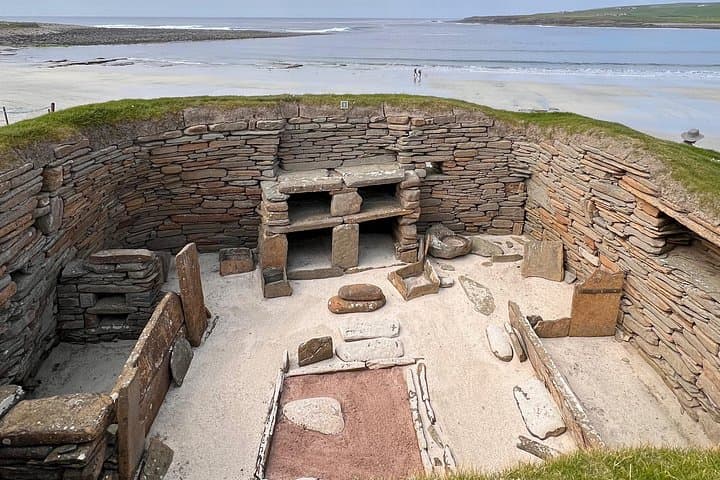
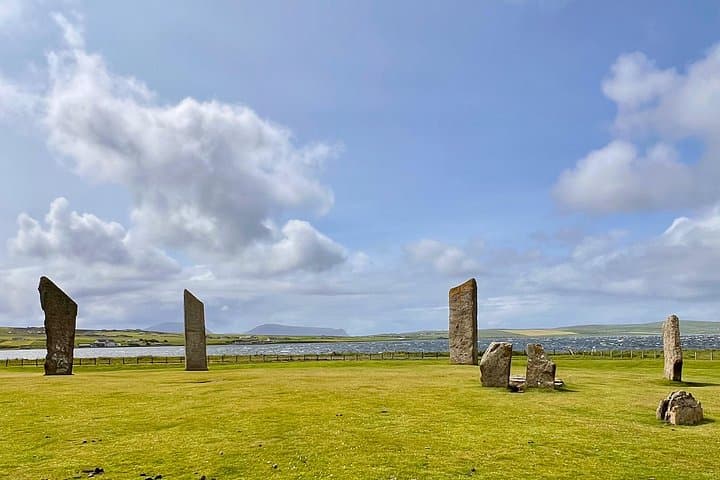
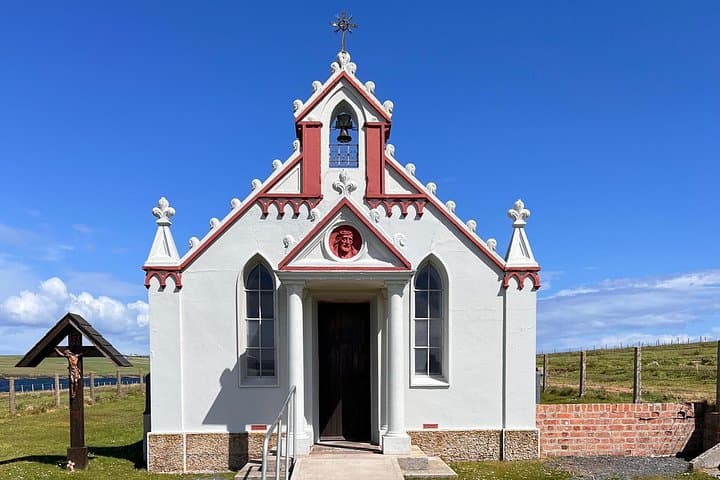
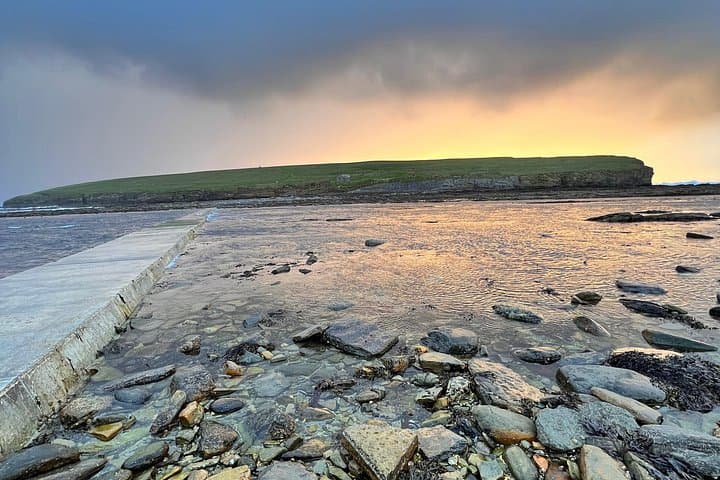
Wind off the North Atlantic pushes a fresh salt bite into the air as you step from the minivan onto peat-scented ground. Low horizons and wide skies make each monument appear larger than life: a ring of vertical stones standing between two lochs, the low-roofed stone rooms of a village older than the pyramids, and a chapel painted by hands that found beauty amid wartime concrete.
Wind off the North Atlantic pushes a fresh salt bite into the air as you step from the minivan onto peat-scented ground. Low horizons and wide skies make each monument appear larger than life: a ring of vertical stones standing between two lochs, the low-roofed stone rooms of a village older than the pyramids, and a chapel painted by hands that found beauty amid wartime concrete.
Orkney’s Neolithic sites sit on Old Red Sandstone and compacted flagstones shaped by ice and sea. The Heart of Neolithic Orkney UNESCO landscape—Skara Brae, Ring of Brodgar, Standing Stones of Stenness and nearby Barnhouse—documents 5,000 years of farming, ritual and community planning. Norse and later maritime cultures layered new stories onto that deep prehistory; you’ll pass WWII traces too, like the Italian Chapel crafted by prisoners who left an unexpectedly ornate legacy.
This private, six-hour tour moves at a relaxed walking pace with short on-site strolls (most visits 20–90 minutes). Expect uneven stone paths, muddy patches after rain, and exposed coastal edges where wind shapes your route. Practicalities: wear waterproof layers and grippy boots, bring water and snacks, and allow time for photo stops and short interpretive talks. Skara Brae and the Italian Chapel include admission; transport is a climate-controlled Ford Custom Tourneo (max seven). Guides here blend archaeology with local stories—useful context for a landscape that still seems to breathe and watch you back.
Plan for changeable weather, modest walking, and a day that balances close-looking archaeology with dramatic coastal panoramas.