THE ADVENTURE COLLECTIVE® · Independent discovery and booking for outdoor travel

Zoom through Negombo in a custom tuk‑tuk to visit Gothic churches, a bustling fish market, ornate Buddhist temples, and an optional lagoon boat ride to Monkey Island. This four‑hour private tour pairs quick urban stops with a taste of coastal nature.
Zoom through Negombo in a custom tuk‑tuk to visit Gothic churches, a bustling fish market, ornate Buddhist temples, and an optional lagoon boat ride to Monkey Island. This four‑hour private tour pairs quick urban stops with a taste of coastal nature.
Riders climb into a custom tuk‑tuk and the city unfolds in quick frames: pastel shopfronts, fragrant spice stalls, and the shocked cry of gulls above the beach. The driver threads through Negombo’s grid of coastal roads, pauses at St. Sebastian’s and St. Mary’s churches, and eases the vehicle into the bustle of the fish market where nets and voices compete for attention.
Verified experiences and guided adventures in the surrounding area.
Operated by Nishantha Fanando Tuk Tuk Tours · Negombo, Western Province
Riders climb into a custom tuk‑tuk and the city unfolds in quick frames: pastel shopfronts, fragrant spice stalls, and the shocked cry of gulls above the beach. The driver threads through Negombo’s grid of coastal roads, pauses at St. Sebastian’s and St. Mary’s churches, and eases the vehicle into the bustle of the fish market where nets and voices compete for attention.
Negombo’s story is visible in its streets: a fishing town shaped by Portuguese, Dutch and British rule, with a shoreline of lagoons carved from coral and river silt. Mangrove-lined creeks feed the Monkey Island Lagoon, where small islands host crabbers and long-tailed macaques that peer from the canopy. Buddhism, Catholicism and local fishing traditions coexist around shrines and seafood stalls—each stop on the tour offers a different angle on the town’s cultural fabric.
Practical guidance: the private, roughly four-hour loop combines short walks and roadside stops; travelers should expect uneven market surfaces and occasional traffic noise. Bring hydration and sun protection, and plan the lagoon boat ride if you want birds and monkeys close up—that segment adds gentle motion and a chance to see kingfishers and herons. Accessibility is generally good for short transfers, though those with significant mobility limits should check vehicle seating options ahead of booking.
Timing matters: mornings bring cooler light and a more active fish market; late afternoons offer softer coastal air and calmer lagoon waters. Keep modest dress for temple visits, have local currency for market purchases, and be ready for sudden rain in the wet season.
easy.
4 hours.
Light to moderate—able to climb in and out of a tuk‑tuk several times and walk short market or temple routes.
Most bookings offer pickup from central Negombo hotels or the airport—confirm your pickup point when you book.
Yes; the itinerary includes St. Sebastian’s, St. Mary’s and Angurukaramulla Temple—modest dress is requested for temple visits.
The optional boat segment is family-friendly but children should be supervised and life jackets are recommended.
Vehicles vary; some are wheelchair accessible but travelers with significant mobility restrictions should confirm vehicle type and seating before booking.
Negombo grew as a fishing hub under Portuguese, then Dutch and British influence; churches and canals date to colonial-era infrastructure.
The Negombo lagoon and mangroves are ecologically sensitive—avoid feeding wildlife, dispose of waste responsibly, and choose operators who respect mangrove habitats.
Nishantha Fanando Tuk Tuk Tours operates guided outdoor trips and adventures with an emphasis on safety, stewardship, and memorable experiences.
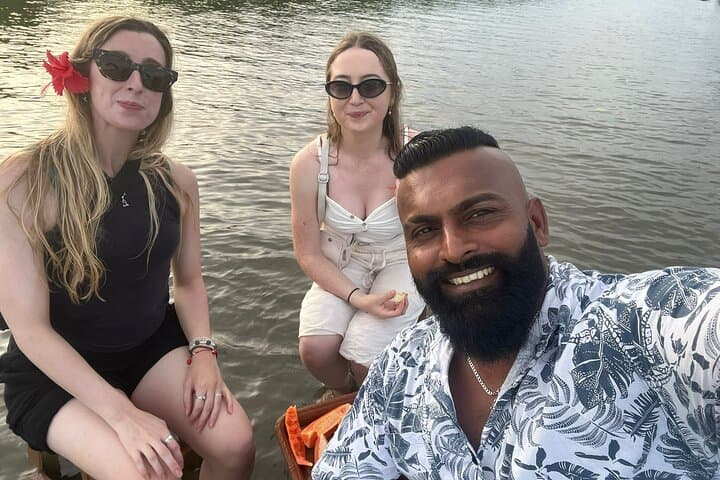
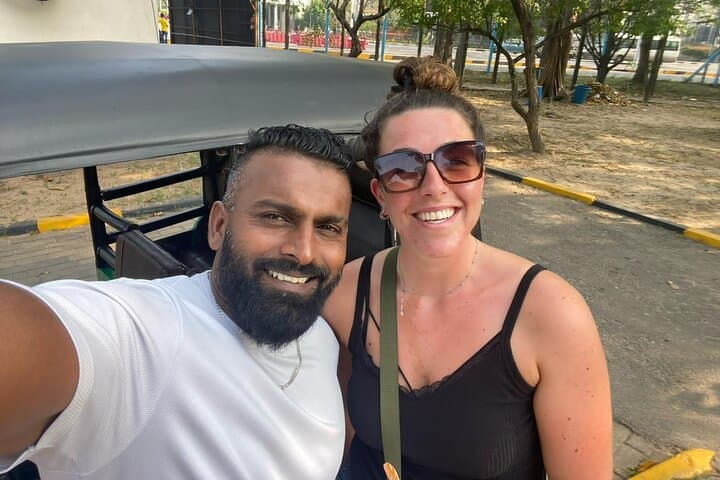
Riders climb into a custom tuk‑tuk and the city unfolds in quick frames: pastel shopfronts, fragrant spice stalls, and the shocked cry of gulls above the beach. The driver threads through Negombo’s grid of coastal roads, pauses at St. Sebastian’s and St. Mary’s churches, and eases the vehicle into the bustle of the fish market where nets and voices compete for attention.
Riders climb into a custom tuk‑tuk and the city unfolds in quick frames: pastel shopfronts, fragrant spice stalls, and the shocked cry of gulls above the beach. The driver threads through Negombo’s grid of coastal roads, pauses at St. Sebastian’s and St. Mary’s churches, and eases the vehicle into the bustle of the fish market where nets and voices compete for attention.
Negombo’s story is visible in its streets: a fishing town shaped by Portuguese, Dutch and British rule, with a shoreline of lagoons carved from coral and river silt. Mangrove-lined creeks feed the Monkey Island Lagoon, where small islands host crabbers and long-tailed macaques that peer from the canopy. Buddhism, Catholicism and local fishing traditions coexist around shrines and seafood stalls—each stop on the tour offers a different angle on the town’s cultural fabric.
Practical guidance: the private, roughly four-hour loop combines short walks and roadside stops; travelers should expect uneven market surfaces and occasional traffic noise. Bring hydration and sun protection, and plan the lagoon boat ride if you want birds and monkeys close up—that segment adds gentle motion and a chance to see kingfishers and herons. Accessibility is generally good for short transfers, though those with significant mobility limits should check vehicle seating options ahead of booking.
Timing matters: mornings bring cooler light and a more active fish market; late afternoons offer softer coastal air and calmer lagoon waters. Keep modest dress for temple visits, have local currency for market purchases, and be ready for sudden rain in the wet season.