THE ADVENTURE COLLECTIVE® · Independent discovery and booking for outdoor travel

This guided 12 km trek from Ram Jhula leads into the foothills to Neelkanth Mahadev Temple—part hike, part pilgrimage. Expect forested singletrack, steady climbs, and Himalayan views, finished with a serene temple visit and a private return transfer.
This guided 12 km trek from Ram Jhula leads into the foothills to Neelkanth Mahadev Temple—part hike, part pilgrimage. Expect forested singletrack, steady climbs, and Himalayan views, finished with a serene temple visit and a private return transfer.
The trail peels away from the bustle of Ram Jhula, first threading along terraces and then plunging into a corridor of sal and pine where the air cools and the trees seem to lean in to watch you pass. Footfall crunches on a mix of packed earth and loose stone as the valley opens to stepped ridgelines and a sweep of Himalayan foothills.
Verified experiences and guided adventures in the surrounding area.
Operated by Sun Leisure World India · Rishikesh, Uttarakhand
The trail peels away from the bustle of Ram Jhula, first threading along terraces and then plunging into a corridor of sal and pine where the air cools and the trees seem to lean in to watch you pass. Footfall crunches on a mix of packed earth and loose stone as the valley opens to stepped ridgelines and a sweep of Himalayan foothills.
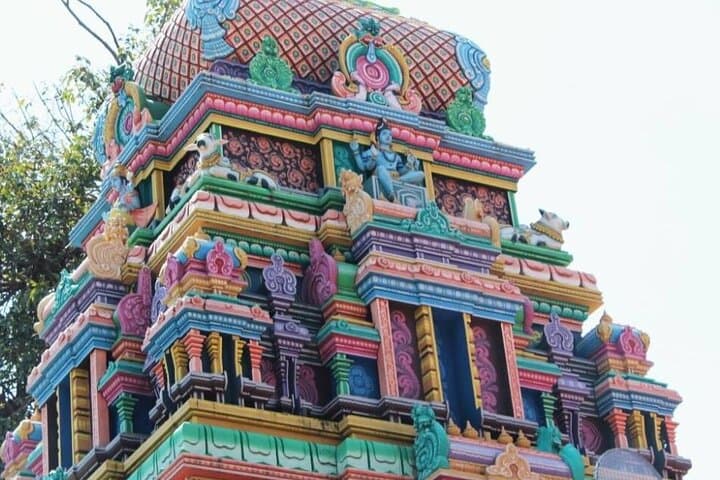
The destination is Neelkanth Mahadev Temple, a pilgrimage site tied to the Samudra Manthan legend—local lore holds this is where Lord Shiva swallowed the poison that turned his throat blue. Geologically the route follows older foothill slopes formed of sedimentary layers uplifted by the Lesser Himalaya; expect narrow gullies and occasional rock outcrops with panoramic breaks toward the Ganges plain.
Culturally this is both a trekking route and a pilgrimage: you’ll pass small shrines, village settlements, and pilgrims moving at a measured pace. Guides commonly weave history, ritual context and practical local knowledge into the hike, turning stone markers and streams into conversation points.
Practical guidance: the trek is roughly 12 km one-way along forested singletrack and rural paths with moderate ascent; wear shoes with good grip, carry 2–3 liters of water and sun protection, and expect variable footing after rain. Start early to avoid midday heat and monsoon showers. Photography is welcome, but observe temple etiquette—remove hats and follow any instructions inside the sanctum. A private vehicle typically returns you to Ram Jhula after the temple visit, so plan for an 6–8 hour outing including breaks.
moderate.
6–8 hours.
Moderate fitness — able to hike continuous uphill and downhill sections over uneven terrain for several hours
It’s rated moderate: about 12 km one-way on forested and rural paths with steady climbs; a basic level of fitness and stable footwear are recommended.
Temple access is part of the visit; however donations or special puja services are not included and any entrance practices are managed locally.
The provider restricts very young children; check age limits with the operator before booking and ensure children are comfortable with uphill walks.
The trek can be slippery during monsoon; follow your guide’s advice—cancellations or route changes may occur for safety.
Neelkanth Mahadev Temple is tied to the Samudra Manthan legend—the name refers to Shiva’s blue throat after he consumed poison to save creation.
The trail sees seasonal erosion and visitor pressure; carry out all waste, avoid single-use plastics, and stick to established paths to limit impact.
Sun Leisure World India operates guided outdoor trips and adventures with an emphasis on safety, stewardship, and memorable experiences.
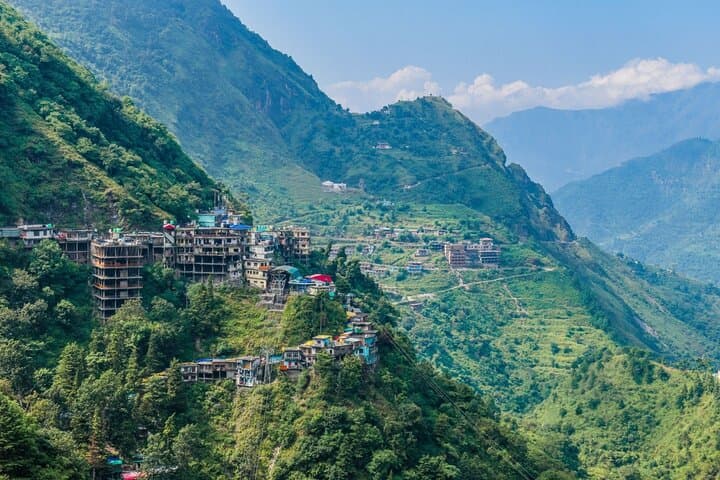
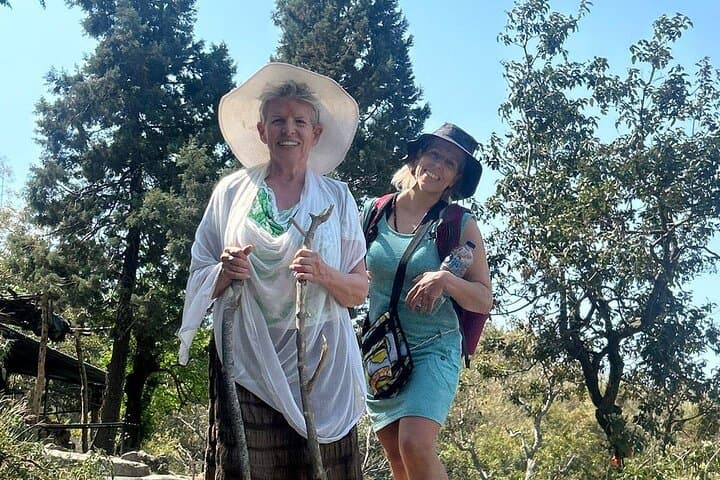
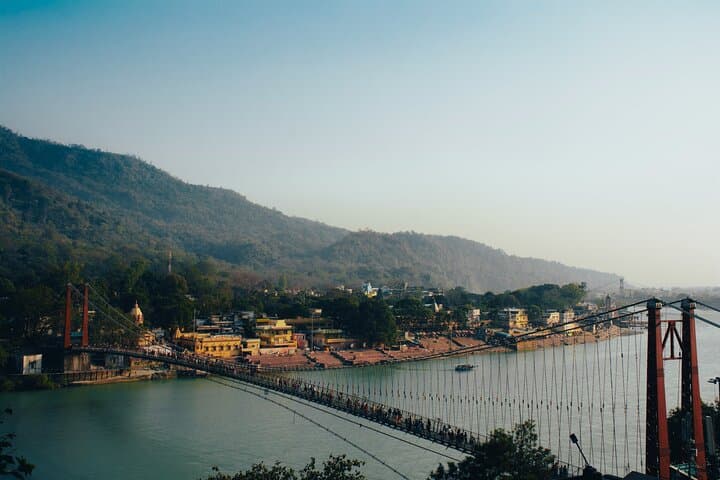
The trail peels away from the bustle of Ram Jhula, first threading along terraces and then plunging into a corridor of sal and pine where the air cools and the trees seem to lean in to watch you pass. Footfall crunches on a mix of packed earth and loose stone as the valley opens to stepped ridgelines and a sweep of Himalayan foothills.
The trail peels away from the bustle of Ram Jhula, first threading along terraces and then plunging into a corridor of sal and pine where the air cools and the trees seem to lean in to watch you pass. Footfall crunches on a mix of packed earth and loose stone as the valley opens to stepped ridgelines and a sweep of Himalayan foothills.
The destination is Neelkanth Mahadev Temple, a pilgrimage site tied to the Samudra Manthan legend—local lore holds this is where Lord Shiva swallowed the poison that turned his throat blue. Geologically the route follows older foothill slopes formed of sedimentary layers uplifted by the Lesser Himalaya; expect narrow gullies and occasional rock outcrops with panoramic breaks toward the Ganges plain.
Culturally this is both a trekking route and a pilgrimage: you’ll pass small shrines, village settlements, and pilgrims moving at a measured pace. Guides commonly weave history, ritual context and practical local knowledge into the hike, turning stone markers and streams into conversation points.
Practical guidance: the trek is roughly 12 km one-way along forested singletrack and rural paths with moderate ascent; wear shoes with good grip, carry 2–3 liters of water and sun protection, and expect variable footing after rain. Start early to avoid midday heat and monsoon showers. Photography is welcome, but observe temple etiquette—remove hats and follow any instructions inside the sanctum. A private vehicle typically returns you to Ram Jhula after the temple visit, so plan for an 6–8 hour outing including breaks.