THE ADVENTURE COLLECTIVE® · Independent discovery and booking for outdoor travel

Witness the Ndutu calving season on a six-day private safari that links Tarangire, Ngorongoro and the Southern Serengeti. Expect mass wildebeest births, close predator encounters and expert guiding tailored for photographers and wildlife enthusiasts.
Witness the Ndutu calving season on a six-day private safari that links Tarangire, Ngorongoro and the Southern Serengeti. Expect mass wildebeest births, close predator encounters and expert guiding tailored for photographers and wildlife enthusiasts.
Dust rises in long, warm breaths as the 4x4 creeps onto the Ndutu plains—wide, wind-swept grassland where thousands of wildebeest converge to give birth. Early light reveals mothers huddled, calves wobbling, and predators threading the horizon; guides read tracks and behavior the way sailors read charts.
Verified experiences and guided adventures in the surrounding area.
Operated by Herbivore African Expeditions · Ndutu, Arusha Region
Dust rises in long, warm breaths as the 4x4 creeps onto the Ndutu plains—wide, wind-swept grassland where thousands of wildebeest converge to give birth. Early light reveals mothers huddled, calves wobbling, and predators threading the horizon; guides read tracks and behavior the way sailors read charts.
This six-day route threads Tarangire’s baobabs, the Ngorongoro highlands and the Ndutu calving grounds in the Southern Serengeti. Geologically the area is an open volcanic basin, with black-soil plains, seasonal soda lakes and low kopjes that concentrate game. Culturally you’ll pass Maasai grazing cattle on the highland margins—this landscape is governed by both conservation law and pastoral tradition inside the Ngorongoro Conservation Area.
Expect long game-drive days (2–6 hours in the vehicle per stretch) with occasional off-road access in permitted Ndutu zones; elevations vary roughly between 1,400–2,200 m. The peak calving season (Dec–Mar) can see thousands of calves born daily, creating intense predator-prey dynamics ideal for photographers and naturalists.
Practical notes: travel is private-transport based from Arusha with park fees included; camps are midrange tented lodges with simple comforts. Bring a 300mm+ lens or good binoculars, neutral-colored layers for chilly mornings, sun protection and anti-malarial/health preparations as advised by your clinician. Hydrate, plan for bumpy roads and follow guide instructions around wildlife.
This itinerary prioritizes intimate, action-packed wildlife viewing in a raw, seasonal moment—best visited with patience, a steady lens and respect for the animals and communities that share the plains.
moderate.
6 days.
Moderate fitness for long game-drive days and short walks; able to get in/out of safari vehicles repeatedly.
The Ndutu calving season runs roughly from December through March, with peak births typically in late January–February; this is when predator activity is most intense.
This itinerary includes private transportation and park entrance fees as listed—confirm details with the operator at booking for any optional extras.
Travelers should consult a travel health clinic for up-to-date advice on vaccinations and malaria prevention; requirements depend on your origin and medical history.
The trip requires moderate fitness—most activity is vehicle-based but involves long drives, occasional short walks, and getting in/out of vehicles on uneven ground.
The Ngorongoro and Southern Serengeti are managed with historic Maasai grazing rights; the conservation model integrates pastoral use with wildlife protection.
Stay on designated routes and follow guide instructions—Ndutu allows limited off-road access to reduce habitat damage, and responsible tourism funds local conservation and community projects.
Herbivore African Expeditions operates guided outdoor trips and adventures with an emphasis on safety, stewardship, and memorable experiences.
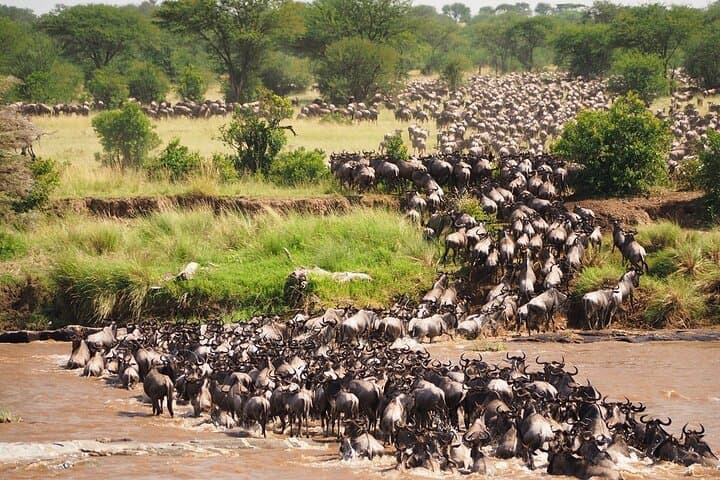
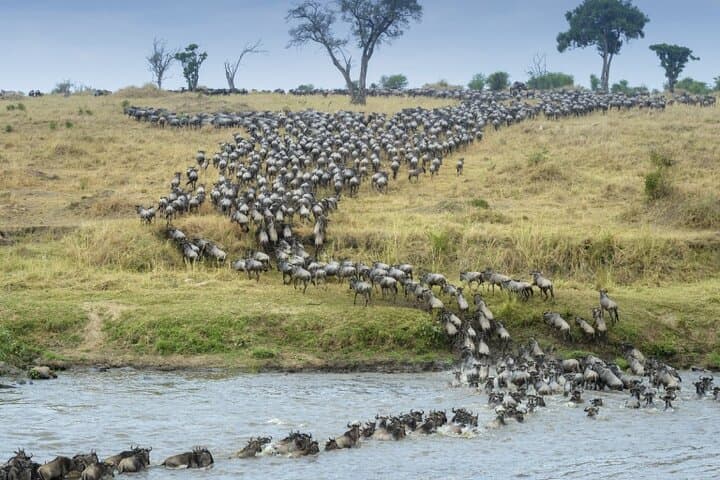
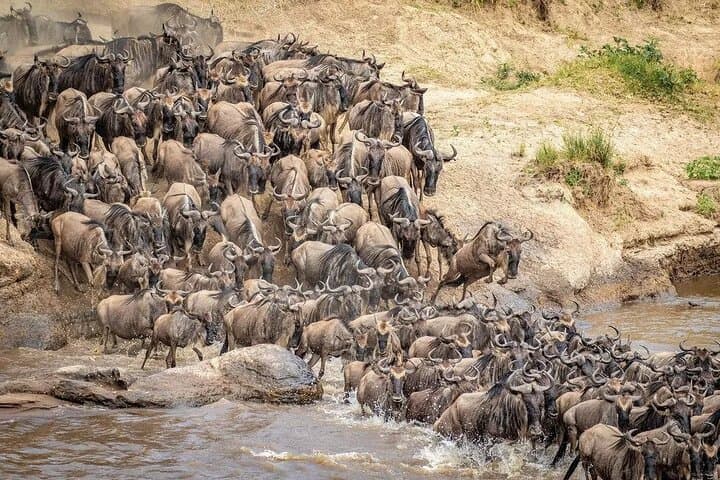
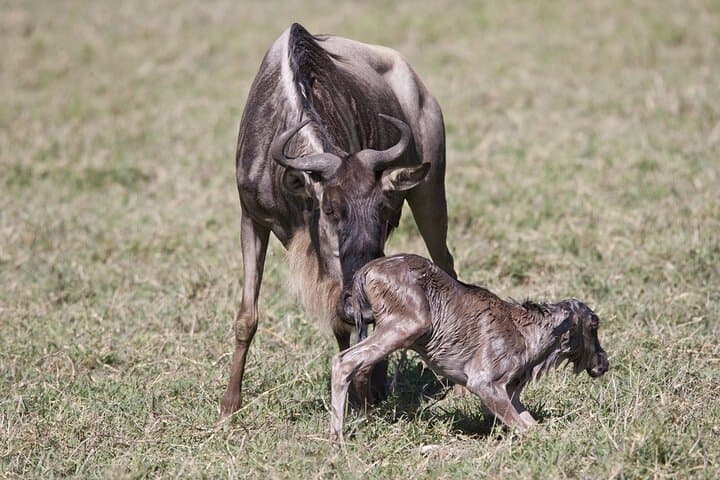
Dust rises in long, warm breaths as the 4x4 creeps onto the Ndutu plains—wide, wind-swept grassland where thousands of wildebeest converge to give birth. Early light reveals mothers huddled, calves wobbling, and predators threading the horizon; guides read tracks and behavior the way sailors read charts.
Dust rises in long, warm breaths as the 4x4 creeps onto the Ndutu plains—wide, wind-swept grassland where thousands of wildebeest converge to give birth. Early light reveals mothers huddled, calves wobbling, and predators threading the horizon; guides read tracks and behavior the way sailors read charts.
This six-day route threads Tarangire’s baobabs, the Ngorongoro highlands and the Ndutu calving grounds in the Southern Serengeti. Geologically the area is an open volcanic basin, with black-soil plains, seasonal soda lakes and low kopjes that concentrate game. Culturally you’ll pass Maasai grazing cattle on the highland margins—this landscape is governed by both conservation law and pastoral tradition inside the Ngorongoro Conservation Area.
Expect long game-drive days (2–6 hours in the vehicle per stretch) with occasional off-road access in permitted Ndutu zones; elevations vary roughly between 1,400–2,200 m. The peak calving season (Dec–Mar) can see thousands of calves born daily, creating intense predator-prey dynamics ideal for photographers and naturalists.
Practical notes: travel is private-transport based from Arusha with park fees included; camps are midrange tented lodges with simple comforts. Bring a 300mm+ lens or good binoculars, neutral-colored layers for chilly mornings, sun protection and anti-malarial/health preparations as advised by your clinician. Hydrate, plan for bumpy roads and follow guide instructions around wildlife.
This itinerary prioritizes intimate, action-packed wildlife viewing in a raw, seasonal moment—best visited with patience, a steady lens and respect for the animals and communities that share the plains.