THE ADVENTURE COLLECTIVE® · Independent discovery and booking for outdoor travel

Witness the Ndutu calving rush on a seven-day safari that stitches Lake Manyara, Ngorongoro Crater and the Serengeti. Expect concentrated herds, intense predator-prey scenes and mobile tented camps that sit close to the action.
Witness the Ndutu calving rush on a seven-day safari that stitches Lake Manyara, Ngorongoro Crater and the Serengeti. Expect concentrated herds, intense predator-prey scenes and mobile tented camps that sit close to the action.
Dawn spreads a clean, cool light over short-grass plains as thousands of bodies rise and run — a living river of muscle and dust that defines Ndutu in calving season. Guests watch from a shaded vehicle as calves wobble to their feet and lions slip through acacia shadows, a tense choreography played out against the flat horizon.
Verified experiences and guided adventures in the surrounding area.
Operated by Gilmag Safaris · Arusha, Arusha Region
Dawn spreads a clean, cool light over short-grass plains as thousands of bodies rise and run — a living river of muscle and dust that defines Ndutu in calving season. Guests watch from a shaded vehicle as calves wobble to their feet and lions slip through acacia shadows, a tense choreography played out against the flat horizon.
This seven-day itinerary links Lake Manyara, Ngorongoro Crater, Ndutu and Central Serengeti — ground that records tectonic motion from the Rift Valley and a long human story of Maasai pastoralism bordering protected lands. Geology here is readable: alkaline soda lakes, compacted volcanic soils and the crater rim that funnels weather and wildlife. Culture is present in small ways — roadside bomas, Maasai silhouettes, and community lodges supporting conservation fees.
Expect game drives timed to light and animal behavior: early starts for predator activity, midday rests at camps, and long drives across plains where kopjes punctuate the view. Photography opportunities are exceptional during December–March when calving concentrates herds and attracts predators.
Practical guide: bring layered clothing for pre-dawn chills and hot midday suns, a good telephoto lens, and motion-sickness remedies for bumpy crater descents. Lodging ranges from four-star hotels in Arusha to mobile tented camps that move with the herds. Vehicles are 4x4 safari jeeps with experienced guides; follow their instructions during wildlife encounters and keep a respectful distance. Water and most meals are included on the itinerary; carry any required medicines and travel documents. With planning and patience, this circuit delivers one of Africa’s most dramatic seasonal spectacles.
moderate.
7 days.
No technical fitness required but guests should be comfortable with long vehicle days, short walks, and uneven ground during exits from vehicles.
The Ndutu calving peak typically falls between December and March, with February often cited as the height when the majority of calves are born.
Yes—vehicles handle most terrain and the itinerary notes wheelchair accessibility and suitability for all fitness levels, but transfers and game drives can be bumpy.
Carry a valid passport, any required visas, and consult your doctor for routine travel vaccinations and malaria prophylaxis recommendations for Tanzania.
Guides maintain safe distances and follow park rules; visitors should remain inside vehicles unless specifically directed otherwise by the guide.
The Ndutu and Serengeti landscapes are part of a long pastoral and migratory history where Maasai communities coexisted with seasonal movements of wildlife; protected-area designations evolved in the 20th century to manage both conservation and community needs.
Ngorongoro and Serengeti protection aims to balance tourism revenue with habitat preservation; visitors should minimize impact by reducing waste, supporting local guides, and following park regulations.
Gilmag Safaris operates guided outdoor trips and adventures with an emphasis on safety, stewardship, and memorable experiences.
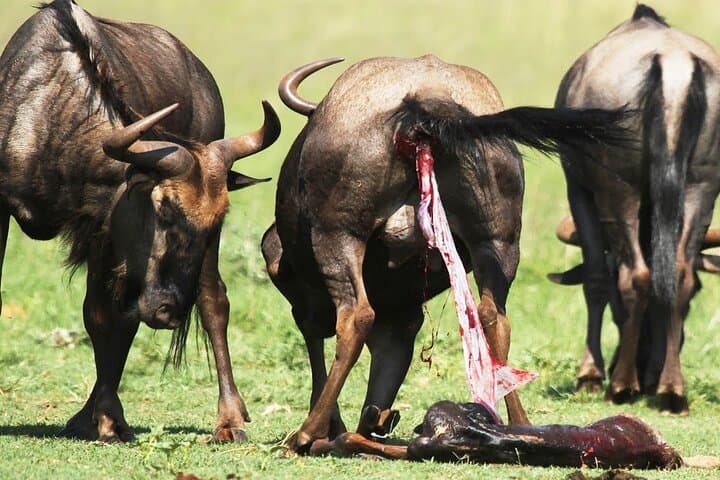
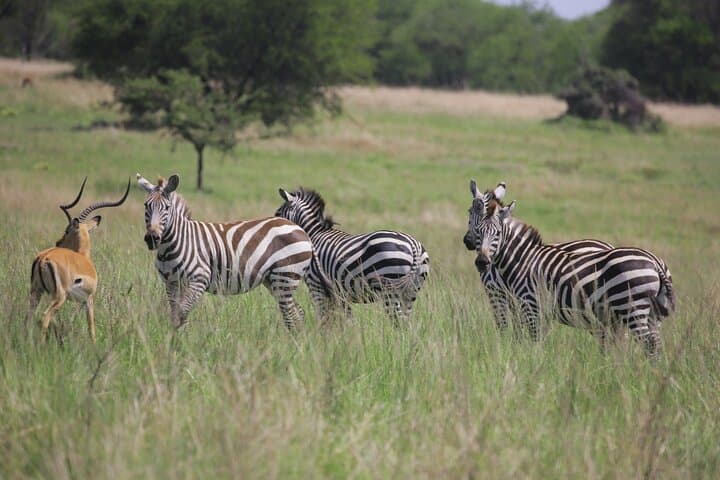
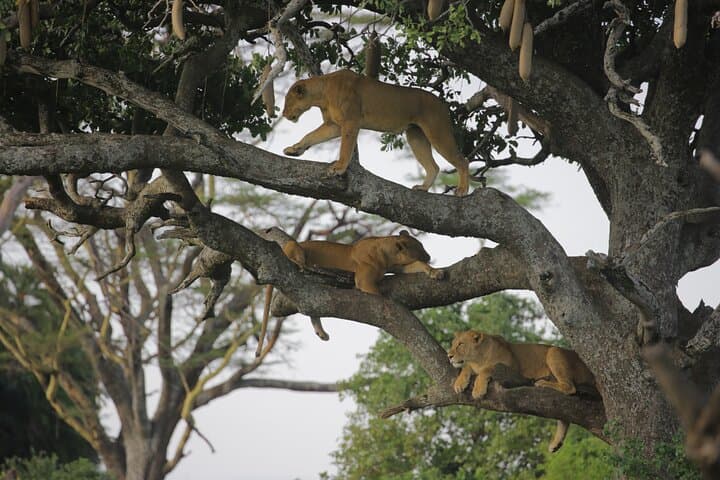
Dawn spreads a clean, cool light over short-grass plains as thousands of bodies rise and run — a living river of muscle and dust that defines Ndutu in calving season. Guests watch from a shaded vehicle as calves wobble to their feet and lions slip through acacia shadows, a tense choreography played out against the flat horizon.
Dawn spreads a clean, cool light over short-grass plains as thousands of bodies rise and run — a living river of muscle and dust that defines Ndutu in calving season. Guests watch from a shaded vehicle as calves wobble to their feet and lions slip through acacia shadows, a tense choreography played out against the flat horizon.
This seven-day itinerary links Lake Manyara, Ngorongoro Crater, Ndutu and Central Serengeti — ground that records tectonic motion from the Rift Valley and a long human story of Maasai pastoralism bordering protected lands. Geology here is readable: alkaline soda lakes, compacted volcanic soils and the crater rim that funnels weather and wildlife. Culture is present in small ways — roadside bomas, Maasai silhouettes, and community lodges supporting conservation fees.
Expect game drives timed to light and animal behavior: early starts for predator activity, midday rests at camps, and long drives across plains where kopjes punctuate the view. Photography opportunities are exceptional during December–March when calving concentrates herds and attracts predators.
Practical guide: bring layered clothing for pre-dawn chills and hot midday suns, a good telephoto lens, and motion-sickness remedies for bumpy crater descents. Lodging ranges from four-star hotels in Arusha to mobile tented camps that move with the herds. Vehicles are 4x4 safari jeeps with experienced guides; follow their instructions during wildlife encounters and keep a respectful distance. Water and most meals are included on the itinerary; carry any required medicines and travel documents. With planning and patience, this circuit delivers one of Africa’s most dramatic seasonal spectacles.